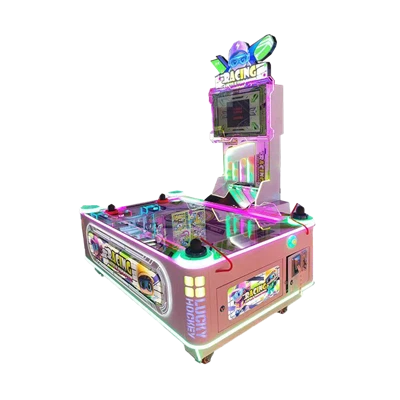
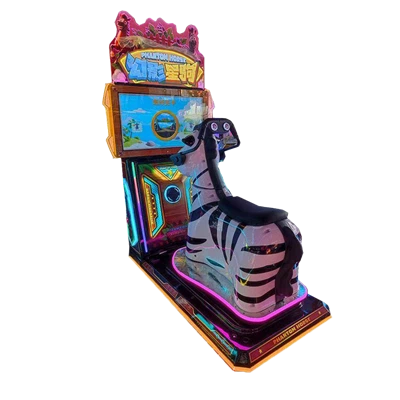
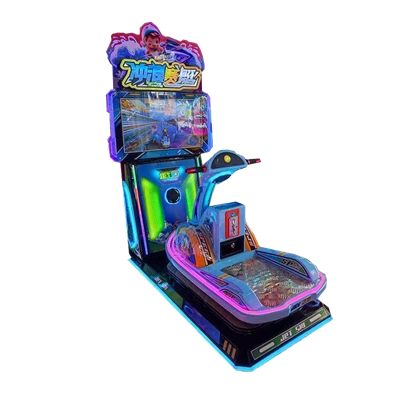
Choosing racing games for arcade machines is not just about selecting popular titles or impressive visuals, because long-term performance depends on how well the game fits your hardware, how stable it runs under daily use, and how easy it is to maintain over time, so arcade owners need a practical and systematic way to evaluate racing games before placing an order.
Understand What Makes Racing Games Work in Commercial Arcades
Racing games perform differently in commercial arcades than in home or console environments, because arcade players expect immediate control feedback, clear visual response, and stable operation under constant use.
Why racing games rely more on physical interaction than most arcade categories
Unlike ticket games or casual video games, racing games depend heavily on steering wheels, pedals, seats, and screens working together as one system, which means even small mismatches between hardware and game design can quickly reduce player satisfaction and repeat play, especially in venues where players are experienced and compare machines side by side.
Hardware Compatibility: Making Sure Racing Games Truly Fit Your Arcade Machines
Many arcade owners assume that if a racing game supports steering wheels and pedals, it will automatically work well on their machines, but in real operation, experience differences usually come from hardware mismatch rather than the game itself, so compatibility must be checked in detail before ordering.
How to verify steering wheel compatibility before selecting a racing game
To properly verify steering wheel compatibility, arcade owners should confirm the steering rotation range such as 270°, 360°, or 540° and compare it with the game's steering sensitivity design, because using a limited-angle wheel with a game designed for wide-angle steering will make control feel inaccurate, then test the return-to-center speed and consistency after sharp turns since delayed or uneven centering directly affects gameplay accuracy, and finally confirm whether the game supports force feedback or resistance settings, because without proper feedback even visually strong racing games will feel empty and reduce repeat play.
Why pedal response and braking logic directly affect player retention
Pedal systems are often underestimated, yet they are one of the most common causes of player complaints and hardware wear in racing arcade machines, so buyers should confirm that throttle and brake inputs are independent rather than combined, that braking supports progressive input instead of simple on-off signals, and that pedal response remains stable after repeated use, because inconsistent braking behavior will quickly make high-speed racing games feel unfair and difficult to control.
Matching screen performance with racing game speed and cabinet layout
For racing arcade machines, screen quality is not just about size but about matching the game's speed and cabinet design, so arcade owners should verify that the refresh rate can handle fast motion without ghosting, that the screen height aligns naturally with the seating position to reduce eye strain, and that side viewing angles remain clear in multiplayer or side-by-side setups, since poor visibility lowers immersion and reduces attraction for waiting players.
Gameplay Style: Choosing Racing Games That Fit Your Venue and Audience
Not all racing games perform the same way in different locations, so arcade owners should match gameplay style with their venue type and player behavior.
Skill-based racing games versus experience-driven racing games
Skill-based racing games rely on precise steering and braking and tend to work better in competitive arcades where repeat players seek mastery, while experience-driven racing games focus more on visuals, sound, and simple control and often perform better in family entertainment centers, shopping malls, or tourist areas where casual players want instant enjoyment without a learning curve.
Maintenance and Reliability: What Really Determines Long-Term Profitability
When selecting racing games for arcade machines, many buyers focus on purchase price but overlook how maintenance structure affects long-term profit, even though racing games typically involve more moving parts and higher physical wear than many other arcade categories.

Identifying high-wear components before the machines go into operation
In racing arcade machines, high-wear components are predictable and usually include steering wheel bearings, pedal springs, wiring connections, and seat mounting points, so before placing an order buyers should request a clear list of consumable parts and their average replacement cycles, because suppliers who cannot explain which components wear out first often lack real-world operating experience.
Evaluating maintenance difficulty instead of focusing only on cost
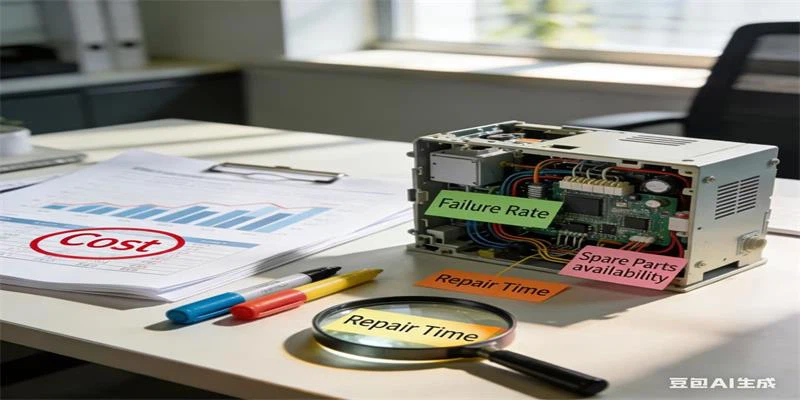
Maintenance cost alone does not tell the full story, since the real issue is how easy a machine is to service on-site, which means buyers should confirm whether common parts like steering wheels or pedals can be replaced without fully disassembling the cabinet, whether calibration requires special tools or software, and whether basic repairs can be handled by local staff, because machines that require factory return for minor issues will increase downtime and hidden operating costs.
Why spare parts availability matters more than warranty length
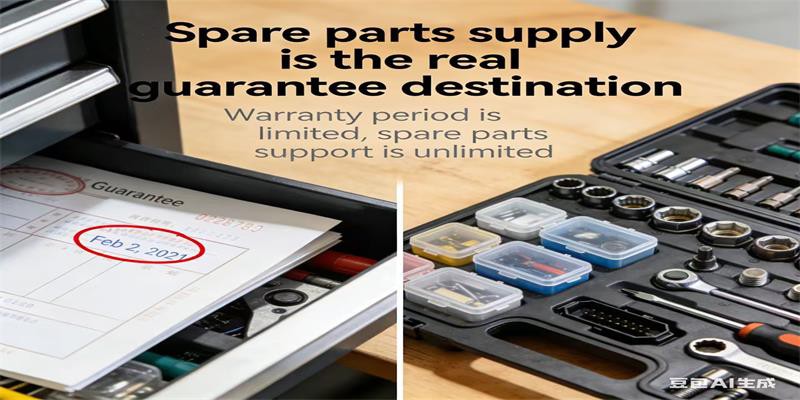
A long warranty sounds attractive, but spare parts availability is far more important for daily operation, so arcade owners should ask where key spare parts are stocked, how long shipping usually takes, whether there are minimum order quantities, and whether standard components are used instead of fully custom parts, because fast access to replacements determines whether a racing machine is a long-term earning asset or a short-term attraction.
Building a simple on-site maintenance routine for racing arcade machines
To reduce unexpected breakdowns, arcade owners should establish a basic maintenance routine that includes weekly checks of steering wheel centering and pedal rebound, monthly tightening of seats and control assemblies, and simple operation logs to record early signs of wear, since preventive maintenance extends machine lifespan and helps avoid sudden downtime during peak business hours.

Final Thoughts: Choosing Racing Games That Perform Beyond the First Month
The best racing games for arcade machines are not defined by visuals or popularity alone, but by how well they match your hardware, how stable they remain under daily use, and how easily they can be maintained over time, so arcade owners who evaluate racing games with a practical, system-based approach are far more likely to achieve stable revenue and long-term success.