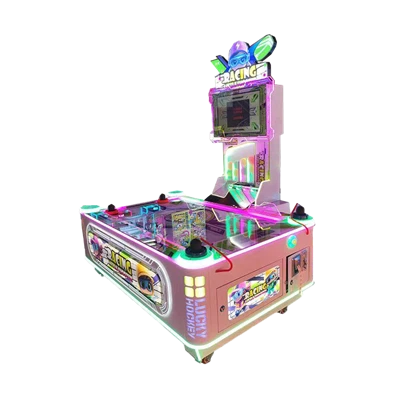
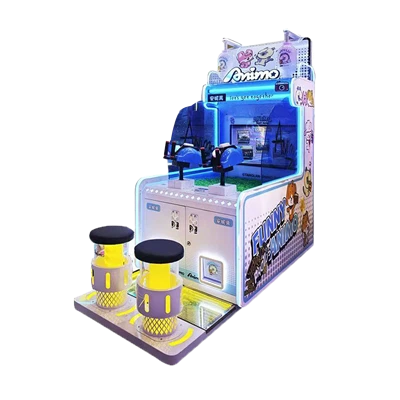
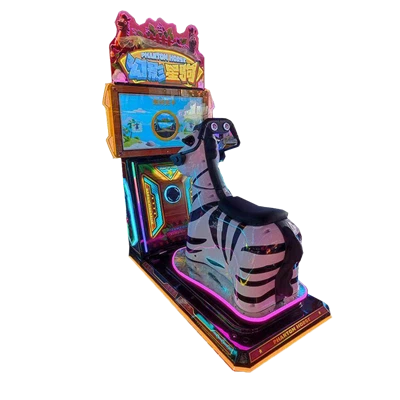
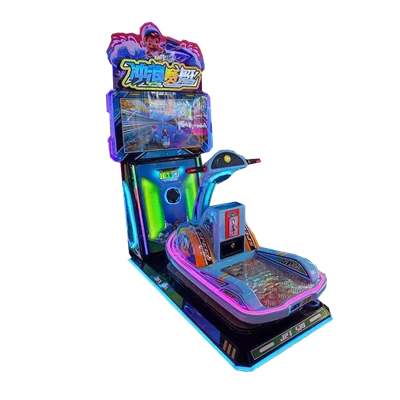
coin pusher tuning is the fast path from "nice-looking cabinet" to a consistent earner. This guide gives 7 practical, operator-friendly adjustments and prize strategies that raise average revenue per user (ARPU) while keeping play fair and compliant. Below you'll find scenario-specific tips for mall, family FEC and arcade placements, key KPIs to track, and a printable checklist.

Why tune a coin pusher? (What is the goal?)
Good coin pusher tuning improves conversion (walk-by → play), session length, and repeat visits. Tuning focuses on three levers: mechanical timing, payout perception (prizes/tickets), and reliability (uptime). Track plays/day and ARPU to measure impact.
7 Proven tuning & prize hacks (Actionable)
- Optimize drop timing, not force. Adjust coin feed timing so drops interact predictably with coin piles - predictable interactions encourage repeat tries. (This is about user experience, not bypassing payout controls.)
- Balance pusher speed. Slower pushers favor visible prize movement; faster pushers increase chaos - choose per venue.
- Tune visible prize placement. Place high-perceived-value prizes near the overhang to entice plays; rotate weekly to avoid stagnation.
- Use tiered prizes to raise ARPU. Offer cheap daily prizes (small toys) and a weekly "big win" (branded item) that requires more plays or tickets.
- Adjust ticket conversion (if hybrid). For redemption hybrids, set ticket ratios to target 30–40% prize cost relative to gross revenue.
- Guard uptime with spare kits & MTTR targets. Keep common spares (motors, rubbers, sensors) on-site; aim MTTR ≤ 6 hours on-lead locations.
- Promote shareable wins. Use a small GoPro/phone mount angle to capture big wins for TikTok/Instagram - social clips drive foot traffic.


Scenario tuning - mall / family FEC / arcade
- Mall (high foot traffic, low dwell): prioritize visibility and short sessions. Select faster pusher speed and low-effort prize pickup; place near entrances/food courts.
- Family FEC (mixed ages): balance accessibility and depth. Use mid-speed pusher, layered prizes (kids/parents), and weekly prize refreshes.
- Arcade (adults, social): favor spectacle and higher ticket-value prizes; install one premium unit with showy lights and a leaderboard for events.
KPIs to measure success (What to track)
- Plays per day (target 500–2,500 depending on location).
- ARPU = gross revenue / plays (track weekly).
- Prize cost % = (prize expense) / gross revenue (target 25–40%).
- Uptime % (target ≥95%).
- MTTR (mean time to repair) (target ≤6 hours).
Collect 30–60 days of baseline data before major tuning changes.

Prize allocation example (practical)
- Small prize (free play / sticker) - 40% of wins.
- Mid prize (small toy) - 45% of wins.
- Big prize (branded item / voucher) - 15% of wins, requires accumulation (e.g., 50 tickets) to claim.
This mix preserves perceived value while protecting margin.
Quick operator checklist (copy-paste)
- Verify coin path & hopper before tuning.
- Record baseline plays/day and ARPU for 30 days.
- Apply one tuning change at a time and measure 7–14 days.
- Keep spare kit: 20 rubbers, 5 motors, 10 fuses, 10 balls.
- Use short-form social clips weekly; label with venue hashtag.