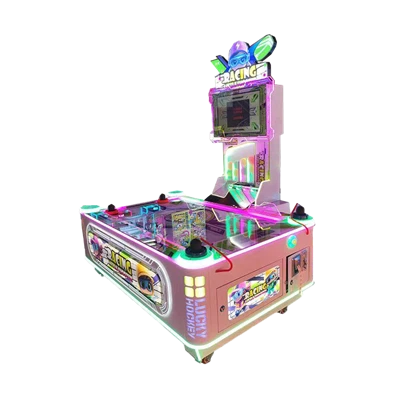
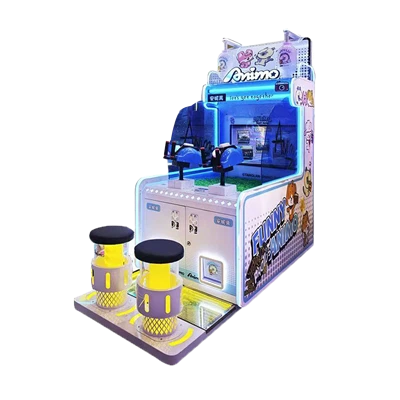
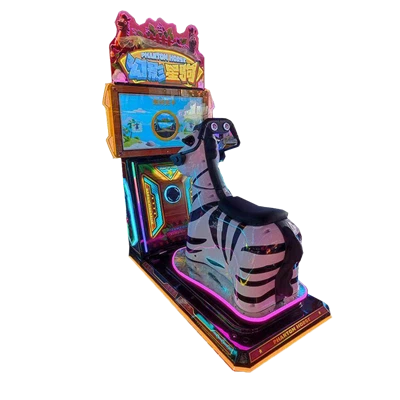
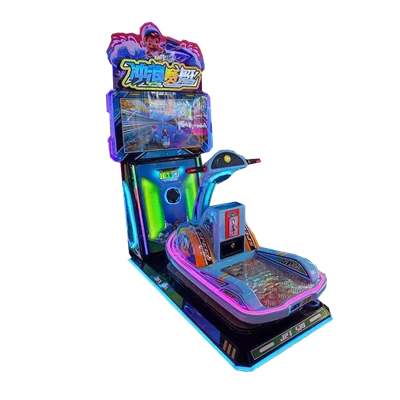
Buying non-standard arcade machines in bulk isn't just about getting a lower unit price. For most home entertainment centers, operators, and dealers, the goal is stable profits, low maintenance costs, and predictable performance. When evaluating wholesale options, I never rely solely on catalog photos. Thorough preparation can prevent hidden costs later, especially since these machines rely on sophisticated mechanics and reliable payout controls.
Below are some wholesale tips I believe are essential before placing large orders, especially if I want these machines to generate consistent revenue in high-traffic locations.
Understand the true profit potential before placing an order
Calculate the return on investment based on actual site data.
According to performance reports from US distributors, a single queue-jump slot machine typically generates $180 to $420 in revenue per week at a moderately busy Family Entertainment Center (FEC). Revenue increases significantly in prize-driven environments, especially when the top prize is between $20 and $80. Before bulk ordering, I will perform a simple revenue and cost forecast:
Average game price: $1-2
Average number of attempts required to win: 8-15
Expected gross margin: 55%–72%, depending on the prize mix
Find machines with data tracking capabilities
Some manufacturers include built-in counters in their machines to record the number of attempts, wins, and total game revenue. Machines without tracking systems often create blind spots, especially for operators managing multiple locations. In the case of bulk orders, equipping the machine with a basic tracking module is worthwhile as it helps improve the accuracy of long-term decision-making.
Pre-submission inspection of assembly quality and internal components
Check the specifications of the cutting mechanism and motor.
The cutting blade or cutter is the core component of the machine. A standard motor should be able to withstand at least 250,000 cycles under normal use. In wholesale negotiations, I always require:
Motorcycle life test data
Blade replacement guide
Frame tolerance documentation
Machines with poor motor performance often fail within the first 6-12 months, leading to downtime and repair costs, thus significantly reducing ROI.
Understanding Material Thickness and Cabinet Design
Most high-quality cutting cabinets are constructed with 1.0–1.2 mm thick steel or reinforced wood. Thinner materials may warp after a few months of use in busy environments. A robust cutting cabinet is essential because cutting machines typically require stable alignment to ensure the steady operation of the cutting arm.
Assess the accessibility of the prize compartment
Some machines are designed so that operators need to open multiple levels to refill prizes. I typically prioritize machines with the following features:
Fully open front door
Slide-out prize rack
Standard commercial locking system
These features reduce employee workload and extend machine availability during peak hours.
Assessing control settings and regulatory flexibility
Locate the adjustable payment control item.
Many buyers don't consider payment settings until the machine is installed. Before wholesale purchases, I check the following:
The difficulty setting is adjustable.
The machine offers multiple win rate levels.
The cutting mechanism delay time is adjustable.
Flexible control settings help align payment amounts with local regulations or operator revenue strategies.
Ensure the machine complies with local regulations.
In some U.S. states, prize machines must comply with rules related to the value of the game and the prize. I always check:
Maximum allowed prize amount
Restrictions on skill-based versus luck-based mechanisms
Label requirements
Importing non-compliant machines can lead to costly delays or require modifications.
Negotiating wholesale terms to reduce long-term risks
Request Performance Guarantee
A good supplier should offer basic warranties for motors, control boards, and sensors. Industry standard is typically 6-12 months. Warranties don't eliminate all risks, but for bulk orders, they can protect the initial investment.
Inquire whether there are spare parts inside the packaging.
High-traffic locations typically require spare blades, sensors, and motors. During negotiations, I would request:
5-10% spare parts included in the order
Priority shipping for emergency replacements
Part numbers and installation documentation
Relying on third-party parts for after-sales service usually increases costs and extends downtime.
Clearly define packaging and transportation protection measures
The number of damages occurring during international shipping is staggering. Before signing a wholesale agreement, I will verify the following:
Each carton is reinforced with foam and wood inside.
Palletization standards
Drop test certification (if applicable)
Properly protected goods reduce the risk of damage-on-arrival (DOA) of the machine, thus avoiding rapid delays in installation plans.
Samples must be tested before mass production approval.

Verify game stability
Samples help uncover issues that are not easily noticeable in photos, such as:
hesitant arm movement
misaligned sensor
uneven LED brightness
loose control buttons
I typically run 100-150 test runs to confirm stability.
Evaluate user experience through real customers
Observing player actions helps determine if the machine is intuitive and easy to use. If many users take too long to figure out how to start the game, I know the user interface needs improvement before mass production.

Final words
The risks of bulk purchasing non-standard models can be significantly reduced if buyers assess profit potential, mechanical stability, compliance, and long-term maintainability. With proper due diligence, these machines can generate predictable revenue for home entertainment centers, shopping malls, and game arcades. The key is to understand how each feature impacts operational performance before placing large orders.