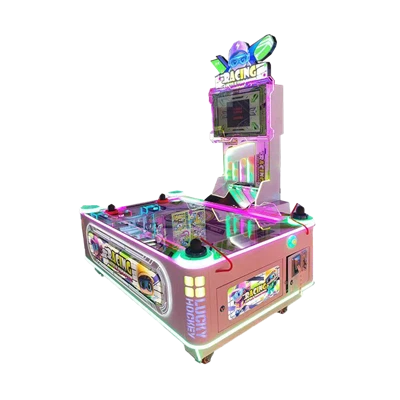
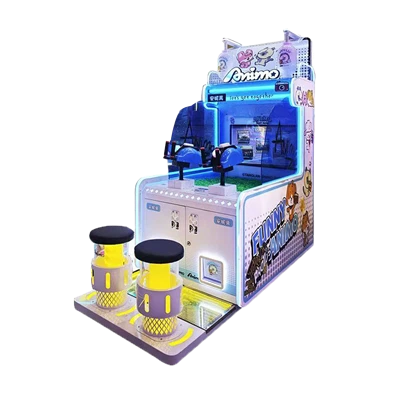
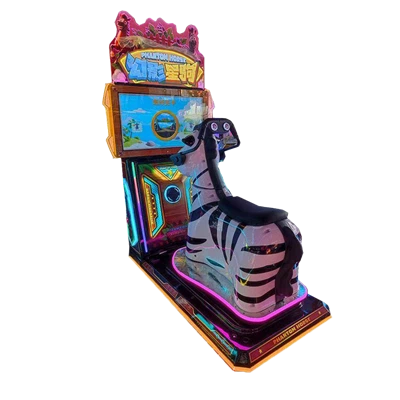
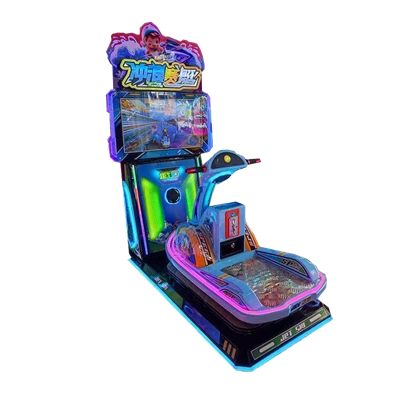
Many buyers and operators judge betting machines by cabinet design, game theme, or short demos, but machines that truly perform well in long-term operation are decided by deeper factors, including how stable the hardware signals are, how the software controls game behavior, and how payout logic works over time, so understanding these systems is not just technical knowledge but a practical requirement before making a buying decision.
Core Hardware Structure of a Betting Machine
Input and Control Components That Handle Player Actions
High-quality betting machines use industrial-grade coin acceptors, bill validators, buttons, or touch panels that are built to send clear and stable signals even during fast and repeated player actions, which means buyers should not only check whether inputs work, but also test how the machine responds during continuous play, rapid button pressing, and mixed bet amounts, because unstable input signals often lead to incorrect bet recognition, payout disputes, and long-term software errors during real operation.
Main Control Board and Internal Wiring Layout
The main control board is the center of a betting machine, processing every input signal and executing all game logic, so reliable machines usually use dedicated control boards with clean wiring paths and secure connectors that reduce signal interference and make maintenance easier, while low-quality machines often hide weak boards and messy wiring behind good-looking cabinets, causing random failures that only appear after weeks or months of operation and are difficult to fix without major part replacement.
Output Hardware and Payout-Related Devices
Output hardware such as ticket dispensers, coin hoppers, score displays, or reward triggers is responsible for turning software decisions into real results, so buyers should test whether these parts respond correctly under different bet levels, repeated wins, and high-frequency use, because any delay or failure in output execution can create situations where the system shows a win but the payout does not happen, which creates serious problems for on-site operation.
How Betting Machine Software Controls Game Behavior

Game Logic Engine and Rule Configuration
The software logic engine defines betting rules, odds ranges, payout limits, and result conditions, and professional betting machine systems allow operators to adjust these settings within fixed safety boundaries, rather than locking everything into the program, which is important because flexible configuration allows the machine to adapt to different markets, locations, and operating strategies without changing hardware or software code.

Randomness, Probability, and Control Algorithms
Betting machines do not rely on pure randomness, but instead use controlled probability models that balance unpredictable results with long-term payout targets, so buyers should ask how probability cycles are designed, how return rates are calculated over time, and whether the system includes correction logic after extreme win or loss streaks, since stable probability control protects both player experience and operator profit during long-term operation.

Data Logging and System Monitoring Functions
Reliable betting machine software records detailed data such as bet amounts, win and loss results, error events, and abnormal behavior, allowing operators to review performance and resolve disputes, so buyers should confirm whether logs can be viewed or exported, because machines without data records make it almost impossible to investigate problems once they appear.
Understanding Payout Logic in Real Operation
How Payout Ratios Are Designed and Applied
Payout ratios are achieved through accumulated betting cycles rather than single outcomes, which means short-term results may fluctuate but long-term performance should match the target return range, so buyers should evaluate payout behavior through extended testing or historical data instead of short demos that often give misleading impressions.
Relationship Between Software Decisions and Hardware Execution
After the software determines a payout result, the hardware must execute it accurately, so buyers should test payout actions under different scenarios, including rapid consecutive wins and changing bet values, to make sure software instructions and hardware actions stay synchronized, because poor synchronization is one of the most common failure points in long-term operation.
Operator Control Limits and Safety Boundaries
Professional betting machines include control limits such as maximum single payouts, daily payout caps, and automatic lock systems for abnormal behavior, which are designed to protect the machine and the operator, so buyers should confirm these limits exist, understand how they work, and make sure they meet local operating requirements.
How Buyers Can Evaluate Betting Machines Before Ordering
Step-by-Step Testing Before Purchase
Before placing bulk orders, buyers should request extended testing that simulates real operation by running continuous games, switching bet levels, triggering repeated payouts, and observing system stability over time, rather than relying on short showroom demos, because most serious issues only appear after long and repeated use.
Key Questions Buyers Should Ask Suppliers
Buyers should ask suppliers how probability parameters are set, whether payout logic can be verified, how data logs are stored, which hardware parts fail most often, and how replacement is handled, because suppliers who can clearly answer these questions are more likely to provide machines that are suitable for long-term operation.
Conclusion: Why System-Level Understanding Matters
A betting machine that performs well over time depends on stable hardware inputs, transparent software logic, and consistent payout execution, and operators who understand how these systems work together are better prepared to choose machines that reduce disputes, simplify maintenance, and support long-term profitability instead of relying on surface features that lose value quickly.