For arcades, family entertainment centers (FECs), and gift machine operators, a successful machine is not defined only by its appearance or the value of its prizes. What truly matters is whether players want to come back and play again. In real-world operations, two gift machines with similar prices and similar prizes can produce very different revenue results. One of the main reasons is replay value.
Replay value refers to a player's willingness to continue playing after the first game. If players try a machine once and walk away, its earning potential is limited. If they choose to play multiple times, return later, or become repeat customers, the machine can generate much stronger long-term revenue. This is why experienced manufacturers focus not only on building reliable machines but also on designing products that encourage ongoing player engagement. Understanding these design principles can help buyers choose machines with stronger long-term profit potential.
Why Replay Value Matters for Arcades and FECs
Repeat Plays Are More Important Than a Single Transaction
Many operators focus on the price of each game, but long-term revenue is often driven by repeat play. If a customer plays only once, the machine earns one payment. If the same customer plays five or ten times, revenue increases significantly without requiring additional foot traffic.
Because of this, successful gift machine designs do more than attract attention. They create a game experience that encourages players to continue trying. For arcades and FECs, higher replay value often leads to better machine utilization, more stable revenue, and faster return on investment. This is one reason manufacturers place so much emphasis on player retention when developing new products.

Prize Layout Is Often More Important Than Prize Value
Players Are Not Only Chasing Expensive Prizes
Many people assume that higher-value prizes automatically generate more revenue. In reality, expensive prizes alone do not guarantee strong performance. If players believe they have little chance of winning, they may stop playing quickly regardless of the prize value.
Experienced manufacturers pay close attention to prize size, visibility, spacing, and placement. Popular prizes are often positioned where players can easily see them. At the same time, enough space is left around prizes so they appear achievable. When players feel they have a realistic chance of winning, they are often more willing to keep playing.
Good Display Design Helps Players Find a Goal Quickly
Most players spend only a few seconds deciding whether they want to try a machine. If they can quickly spot a prize they want, the chances of participation increase. For this reason, many manufacturers design prize displays that are organized, easy to view, and visually appealing.
A clear prize layout helps players focus on specific goals. Once players have a target prize in mind, they are often more willing to make multiple attempts to win it.
Balancing Difficulty Is the Key to Higher Replay Value
Games That Are Too Easy or Too Difficult Can Both Hurt Revenue
One common mistake in the amusement industry is assuming that harder games always generate more income. In reality, both extremes can reduce replay value.
If a machine is too easy, players may win quickly and stop playing. If it is too difficult, they may become frustrated and leave. The most successful machines create a balance between challenge and possibility. Players should feel that winning requires effort, but they should also believe success is achievable.
Manufacturers often achieve this balance through software settings, claw strength adjustments, and prize arrangement design.
Maintaining Hope Is More Important Than Increasing Difficulty
Players continue playing because they believe they still have a chance to win. That feeling is often more important than the actual prize itself. Good machine design allows players to see progress and feel close to success, even if they do not win immediately.
When players believe they are improving or getting closer to their goal, they are much more likely to continue playing. This approach helps increase replay value without making the game feel unfair.
Buyers Can Evaluate Difficulty Through Real Testing
One practical way to evaluate a gift machine before purchase is through hands-on testing. During multiple game attempts, buyers should observe whether players occasionally get close to winning.
If players never seem to make progress, the machine may struggle to maintain long-term interest. On the other hand, if players frequently experience near wins and feel encouraged to try again, the machine is more likely to achieve strong replay value. Well-designed machines do not give away prizes too easily, but they consistently keep players interested in making another attempt.
Visual and Audio Feedback Keep Players Engaged

Lights and Sounds Do More Than Attract Attention
Many operators view lights and sound effects as simple decorations. However, they play an important role in player engagement. Visual effects, music, and sound feedback make the game feel more interactive and rewarding.
In busy entertainment environments, strong visual and audio feedback can help a machine stand out from surrounding attractions. This often encourages players to spend more time interacting with the machine.
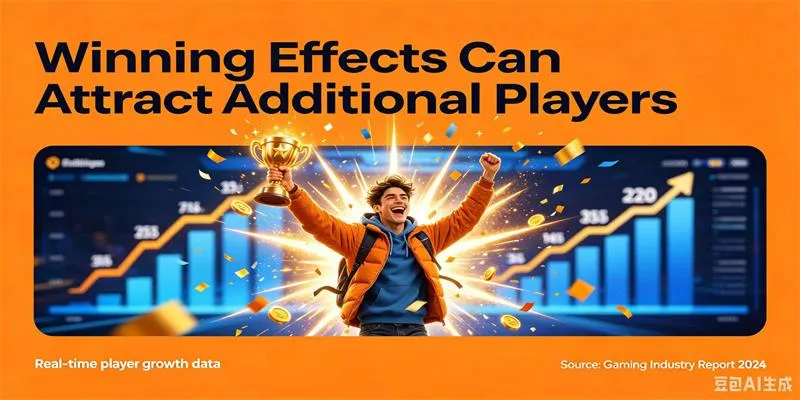
Winning Effects Can Attract Additional Players
When a player wins a prize, bright lights and exciting sounds create a stronger experience for the winner. They also attract attention from nearby visitors.
Seeing someone else win provides proof that prizes are attainable. This often motivates other customers to try the machine themselves. For this reason, many manufacturers design machines with highly visible winning celebrations and open prize displays.
Prize Refresh Strategies Help Maintain Long-Term Revenue
Revenue Drops Are Often Caused by Prize Fatigue
Many gift machines perform well during the first few months but experience declining revenue over time. In many cases, the problem is not the machine itself. Instead, customers become familiar with the prizes and lose interest.
To address this issue, manufacturers increasingly design machines that make prize replacement fast and simple. This allows operators to refresh the machine without major changes.
Easy Prize Updates Help Keep Customers Interested
Machines with flexible prize displays are often easier to manage over the long term. Operators can update prizes based on seasons, holidays, local trends, or popular licensed products.
Instead of investing in new equipment, operators can create a fresh experience by changing prize selections. This strategy helps attract returning customers and supports stronger long-term performance.
How Player Psychology Influences Replay Value
Near Wins Encourage Additional Attempts
Many successful gift machine designs take player psychology into account. When players feel they came very close to winning, they often want to try again.
For example, a claw may briefly grab a prize before dropping it, or a prize may move noticeably closer to the winning position. These moments create the feeling that success is within reach. As a result, players are often willing to continue playing.
This design approach is common in many high-performing machines because it encourages continued engagement without guaranteeing immediate success.
Seeing Other Players Win Can Increase Participation
Player behavior is often influenced by the actions of others. When people see someone successfully win a prize, they become more confident that they can do the same.
Manufacturers often support this effect through open machine designs, visible prize displays, and noticeable win celebrations. These features help create interest among nearby visitors and can increase overall participation.
How Buyers Can Evaluate Replay Value Before Purchasing
Focus on Long-Term Engagement Instead of Appearance Alone
When evaluating a gift machine, buyers should look beyond the cabinet design and purchase price. The more important question is whether the machine can keep players interested over time.
Buyers should examine whether the game difficulty can be adjusted, whether prizes can be updated easily, whether long-term operating cases are available, and whether the manufacturer can provide real-world performance examples. These factors often reveal much more about a machine's future earning potential than appearance alone.
A machine that encourages repeat play for years will usually deliver greater business value than one that attracts attention only during its first few months of operation.
Replay Value and Long-Term ROI
Higher Replay Rates Often Lead to Higher Revenue
For operators, the number of repeat plays is often more important than the price of a single game. Even when two machines charge the same amount per play, the machine with stronger replay value will usually generate more revenue because players choose to play more often.
Over time, these differences can significantly affect profitability and payback periods.
Better Machine Utilization Improves Return on Investment
A machine only generates revenue when it is being used. Machines that consistently attract players tend to achieve higher utilization rates throughout the day.
Higher utilization means more earning opportunities, which can help operators recover their investment more quickly. This is why buyers should pay close attention to how manufacturers design machines for replay value rather than focusing only on appearance or initial cost.
Conclusion
Replay Value Is One of the Most Important Drivers of Long-Term Profitability
For arcades and FECs, a successful gift machine must do more than attract first-time players. It must encourage customers to return and continue playing. Leading manufacturers achieve this through thoughtful prize layouts, balanced difficulty settings, effective feedback systems, flexible prize update options, and player-focused design strategies.
When replay value increases, revenue, machine utilization, and return on investment often improve as well. For buyers and operators, understanding how manufacturers create replay value can lead to better purchasing decisions and stronger long-term business results.