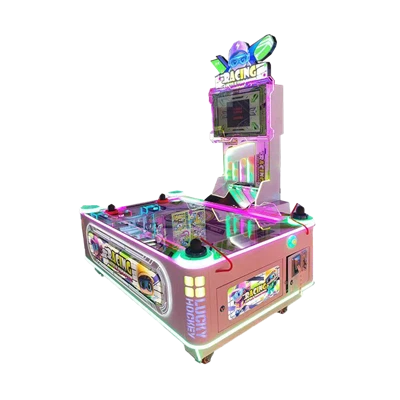
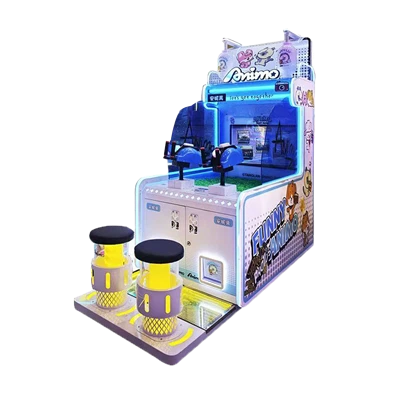
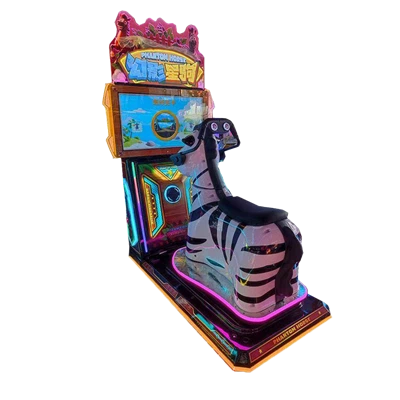
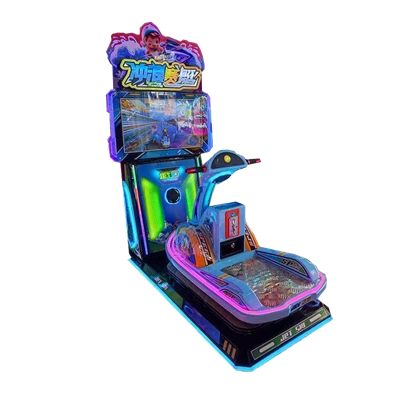
For commercial pinball machine operators, maintenance cost has always been an important factor affecting long-term profit. Compared with home-use machines, commercial pinball machines usually run for long hours every day. Because of this, part wear, machine downtime, and repair efficiency all directly affect operating income.
In recent years, more pinball machine manufacturers have started focusing on reducing long-term maintenance costs instead of only improving gameplay and visual effects. In 2026, many new commercial pinball machines are being designed with better structures, more stable electronic systems, easier part replacement, and smarter remote management functions. These improvements help operators reduce downtime and improve long-term machine stability.
1. Modular Parts Design Is Making Repairs Faster
Modular Parts Are Reducing Repair Time
Many traditional pinball machines require technicians to remove large sections of internal structure just to replace a single part. This increases both downtime and labor costs.
In 2026, more manufacturers are using modular designs. For example, lighting systems, button modules, power systems, and some electronic boards can now be removed and replaced individually without taking apart large sections of the machine.
For buyers, it is important to check whether individual parts can be removed separately, whether repairs require removing many structural layers, and whether modules use standard connectors. Real modular design usually helps reduce repair time significantly.

2. Improved Electronics Are Reducing Failure Rates
More Stable Electronics Are Improving Reliability
Electronic system failures were one of the most common maintenance problems in older pinball machines.
Today, many manufacturers are using more stable mainboards, power modules, and wiring structures to reduce failures caused by heat, vibration, or long operating hours. Some internal wiring layouts are also becoming simpler, making troubleshooting easier during maintenance.
When purchasing a machine, buyers should check whether the mainboard includes overheating protection, whether the system stays stable during long operation, and whether the machine supports error code displays. These features can greatly improve repair efficiency later.
3. LED Lighting Is Lowering Replacement Frequency

LED Systems Reduce Lighting Maintenance
Traditional bulbs wear out relatively quickly in commercial environments and often require frequent replacement.
Compared with traditional bulbs, LED systems usually last longer, produce less heat, and reduce internal temperature pressure. For operators, fewer lighting replacements mean lower maintenance frequency and less machine downtime.
Some manufacturers are also using plug-in LED modules that can be replaced more easily during maintenance.
4. Remote Diagnostics Are Helping Operators Find Problems Earlier
Remote Diagnostics Help Detect Problems Faster
More modern pinball machines now include remote monitoring and basic diagnostic systems.
Operators can check machine status, error codes, and certain system problems remotely instead of waiting until the machine completely fails before inspecting it on-site.
When evaluating remote systems, buyers should focus on useful functions such as error code alerts, unexpected power loss records, and component status monitoring instead of simple internet connection features alone. Real diagnostic functions help operators find problems earlier and reduce major failures.
5. Durable Materials Are Extending Machine Life
Stronger Materials Help Reduce Wear
Some 2026 commercial pinball machines are using more durable buttons, stronger metal structures, and scratch-resistant surface materials.
In busy entertainment locations, machines experience heavy daily use, so material durability directly affects long-term maintenance cost.
6. Easier Access Design Is Improving Maintenance Efficiency
Better Internal Access Makes Repairs Easier
Many manufacturers are improving internal layouts so technicians can reach important components more quickly.
Some machines now reduce complicated wire blocking and improve the placement of high-maintenance areas. Compared with older machines that required long disassembly times, many repairs can now be completed more efficiently.
When evaluating a machine, buyers should check whether technicians can quickly reach commonly repaired areas, whether too many wires block access, and whether daily maintenance can be completed in a short amount of time. These factors directly affect long-term labor costs.
7. Software Updates Are Reducing Operating Problems
Software Stability Also Affects Maintenance
Besides hardware improvements, software stability is also becoming important for reducing maintenance pressure.
Some manufacturers now improve scoring systems, lighting control, and error detection through software updates, helping reduce system conflicts and operating problems.
Compared with older machines that depended completely on manual troubleshooting, modern software systems can often identify certain problems more quickly.

8. Manufacturers Are Simplifying Spare Parts Management
Standardized Parts Reduce Inventory Pressure
In the past, different pinball machine models often used completely different parts, increasing spare parts inventory pressure for operators.
Today, some manufacturers are sharing standardized parts across multiple machine models, including buttons, lighting modules, and some electronic components. This reduces the number of spare parts operators need to store and improves repair efficiency.
For locations operating multiple machines, standardized parts are usually easier to manage over the long term.
Conclusion
Reducing Maintenance Cost Is Becoming a Major Industry Focus
In 2026, the commercial pinball machine market is no longer focused only on gameplay and visual design. More manufacturers are now paying attention to long-term operating costs by improving modular structures, electronic stability, remote diagnostics, and standardized parts systems.
For operators, lower maintenance cost does not only mean lower repair expenses. It also means more stable long-term machine operation and less downtime.