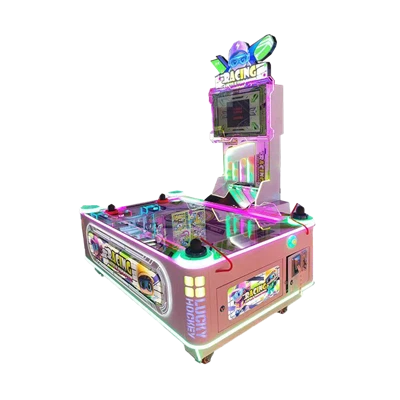
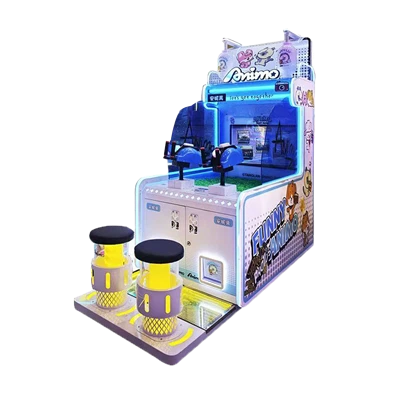
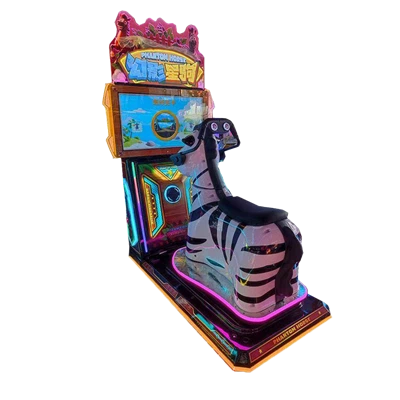
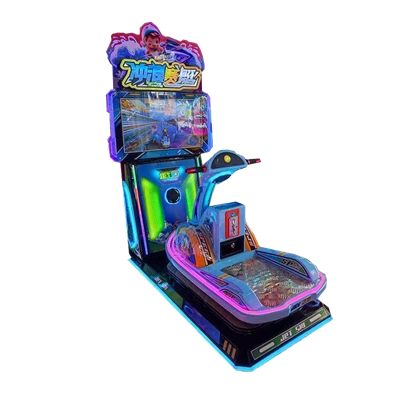
For prize machine operators, family entertainment centers (FECs), arcades, shopping malls, and distributors, the purchase price is only part of the total cost of a machine. After installation, maintenance, spare parts, labor, and downtime can all affect long-term profits.
That is why choosing reliable prize machine manufacturers requires more than comparing prices, designs, and features. Buyers also need to understand how a manufacturer reduces the risk of machine failure through product design, component selection, production, testing, and after-sales support.
A reliable manufacturer does not only make a machine that works when it leaves the factory. The machine should also be easy to maintain, simple to repair, and able to return to operation quickly when a problem occurs.
Why Reliability Matters for Prize Machine Buyers
Commercial prize machines often operate in busy locations and receive repeated use every day. For this reason, machine reliability can directly affect operating costs and equipment performance.

Downtime Can Cost More Than Repairs
When a prize machine breaks down, the repair cost is usually easy to calculate. The cost of downtime is less obvious but can be just as important.
If a machine stops because of a control system, mechanical, or payment issue, the operator may need to spend money on parts and labor. Employees also need time to find the problem and arrange the repair. If the required part is not available, the machine may stay out of service even longer.
For this reason, B2B buyers should ask more than, "How much does it cost to repair?" They should also ask, "How quickly can the machine return to operation after a problem?"
For commercial equipment, both a low failure rate and a short repair time matter.
Reliability Affects Long-Term Operating Costs
A lower purchase price does not always mean a lower long-term cost. If a machine needs frequent repairs, requires many replacement parts, or takes a long time to fix, those costs can add up over the years.
A machine with a slightly higher purchase price may be easier to maintain and more stable during daily operation. This can make its total operating cost easier to control.
That is why B2B buyers should look at the full equipment lifecycle instead of comparing only the unit price. Maintenance, spare parts, labor, and possible downtime should all be part of the buying decision.

How Manufacturers Reduce Repairs Through Better Design
Reducing repairs often starts during product design. A well-designed machine can lower common failure risks and make future maintenance easier.
Machine Design Should Consider Long-Term Maintenance
Prize machines contain buttons, mechanical parts, sensors, wiring, and electronic systems that may be used many times each day. Manufacturers need to think about how these parts will be used and maintained over time.
For example, frequently used parts should be easy to inspect and replace. Internal wiring should be arranged clearly, and key components should be easy for service staff to reach. If replacing a small part requires removing many other components, even a simple repair can lead to longer downtime.
Good commercial machine design should therefore consider more than appearance and game functions. It should also consider what happens when a part needs maintenance or replacement.
Commercial-Grade Components Improve Reliability
Component quality has a direct effect on machine reliability. Buttons, switches, motors, sensors, power supplies, and control boards may all face repeated use during commercial operation.
Reliable manufacturers select components based on the machine's working conditions instead of focusing only on the lowest purchase price. A low-cost part that fails often can create higher maintenance and downtime costs later.
B2B buyers can ask suppliers which parts are most likely to wear out, what type of components are used in key systems, and whether replacement parts will remain available. These questions can provide more useful information than simply asking whether a machine is "high quality."
How Production and Quality Control Reduce Failures
Good design and components are important, but they are not enough. The production process also affects machine reliability. Buyers should understand how manufacturers control quality during assembly and before shipment.

Standardized Production Improves Product Consistency
Product consistency becomes especially important when distributors and operators purchase machines in larger quantities.
If the same model uses different parts or internal designs across different production batches, maintenance can become more difficult. A distributor may need different spare parts, while technicians may need different repair methods for machines that look almost identical.
Standardized production helps reduce these problems. Consistent assembly methods, component specifications, and production standards can help manufacturers keep the same model more consistent across different batches.
For buyers planning repeat orders, stable production is an important part of evaluating a prize machine manufacturer.
Full Machine Testing Helps Catch Problems Before Shipment
Pre-shipment testing is an important step in reducing early machine failures. However, testing should involve more than simply checking whether the machine can turn on.
Depending on the machine, manufacturers may need to check mechanical movement, controls, buttons, lighting, sound, display systems, payment functions, and other key features. Machines with moving parts should also be checked to make sure those parts operate properly.
B2B buyers can ask a simple question:
"What functions are tested before shipment?"
A manufacturer that can clearly explain its testing process gives buyers more useful information than a general statement such as "Every machine goes through strict QC."

How Manufacturers Help Reduce Downtime After Delivery
A manufacturer's role does not end when the machine leaves the factory. After delivery, maintenance, spare parts, and technical support can have a direct effect on downtime, especially for overseas buyers.
Easy-to-Replace Parts Speed Up Repairs
Even a well-made commercial machine will have parts that wear out over time. For this reason, maintenance should be considered during the design process.
If a frequently used button, switch, or other part can be found and replaced quickly, technicians can return the machine to operation sooner. If a small repair requires removing many other parts, the same problem can take much longer to fix.
This means machine reliability is not only about how often a machine breaks down. It is also about how easy it is to repair when a problem occurs.
For commercial operators, fewer failures and easier repairs work together to reduce downtime.
Spare Parts and Technical Support Keep Machines Running
Spare parts are especially important for overseas B2B buyers.
A small failed component can stop an entire machine. If the manufacturer cannot provide a replacement quickly, the machine may remain out of service much longer than the actual repair requires.
Before placing an order, buyers can ask for a list of common replacement parts and learn how those parts are supplied. They should also ask about lead times and technical support.
Remote support can be useful when an overseas customer has a problem. Photos, videos, repair guides, and direct communication with the manufacturer's technical team can help identify the cause and guide the customer through the repair.
For distributors, reliable spare parts and technical support can also make it easier to handle service requests from their own customers.
What B2B Buyers Should Check Before Choosing a Manufacturer
Knowing what a reliable manufacturer should provide is only the first step. Buyers also need to know what to check before placing an order.

Check Production and Quality Control
Do not judge a manufacturer only by product photos or marketing claims.
Buyers should learn whether the supplier has stable production facilities, experience with bulk orders, and a clear quality control process. It is also useful to ask how machines are inspected during production and what tests are completed before shipment.
For long-term purchasing or OEM/ODM projects, buyers should also consider whether the manufacturer can keep the same product quality and design standards across different batches.
These details can help buyers understand whether a supplier has a stable production system rather than simply the ability to provide a sample.
Ask About Spare Parts and After-Sales Support
After-sales support should be discussed before the order, not after a machine breaks down.
Buyers can ask about common replacement parts, spare parts supply, technical documents, and the process for handling machine problems. For larger orders, it may also make sense to prepare some commonly used parts in advance.
A manufacturer that can provide stable machines, spare parts, and technical support can make long-term equipment management much easier for the customer.

Why Reliability Should Be Part of Your Prize Machine Buying Decision
Price is important when buying prize machines, but it should not be the only factor.
The Lowest Price Is Not Always the Lowest Cost
Two prize machines may have similar purchase prices but very different operating costs.
If one machine needs more frequent repairs, uses more replacement parts, or takes longer to restore after a failure, its total cost will continue to increase during operation.
For this reason, B2B buyers should compare products based on total operating cost, not only the initial quotation.
A Reliable Manufacturer Supports Long-Term ROI
For operators, reliable machines can reduce repair work and help keep equipment available for customers.
For distributors, consistent product quality, spare parts, and technical support can reduce after-sales pressure and help build stronger customer relationships.
Choosing the right prize machine manufacturers is therefore not only about selecting a machine. It also means choosing a long-term equipment supplier and support system.
A manufacturer that can provide consistent products, stable components, quality control, spare parts, and technical support can help buyers control maintenance costs and achieve more stable long-term ROI.
Conclusion
Prize machine reliability does not depend on one component or one quality check. It comes from the entire manufacturing and support process.
Good product design, suitable components, standardized production, quality control, pre-shipment testing, easy maintenance, spare parts, and technical support all affect repair rates and downtime.
For B2B buyers, choosing prize machine manufacturers should involve more than comparing prices and product images. Buyers should also understand how the manufacturer produces and tests its machines, maintains product consistency, supplies spare parts, and supports customers after delivery.
For commercial equipment that needs to operate for years, fewer repairs, shorter downtime, and more stable machine performance can lead to better control of operating costs and stronger long-term ROI.