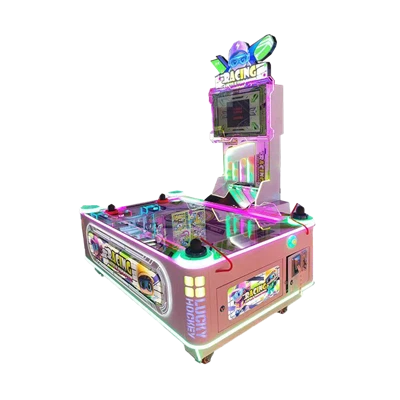
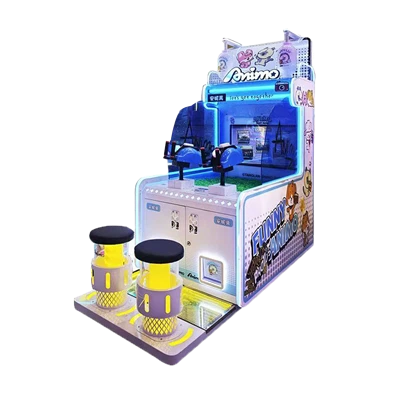
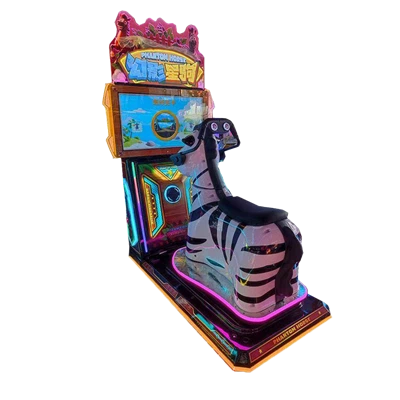
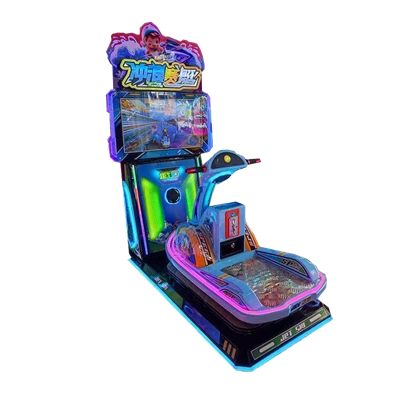
Fishing arcade machines continue to attract players of all ages with their simple and easy-to-learn operation, immersive visual experience, and fun multiplayer interaction. In family entertainment centers, arcades, shopping mall play areas, or cinema outdoor areas, these machines not only increase player dwell time and spending frequency but also boost revenue through diversified gameplay and ticketing systems. With the entertainment industry's continued development in 2026, choosing the right fishing arcade machine can satisfy player experience while providing operators with stable and sustainable profit opportunities.
Understand the Core Gameplay Types Before You Buy
Single-Player vs. Multiplayer Machines
The first step is deciding between single-player and multiplayer fishing arcade machines. Multiplayer machines usually earn more because they let players compete and stay longer. Single-player machines cost less and take up less space, which is better for small stores or low-traffic areas. Consider how many people usually visit your location at the same time before making a choice.
Ticket Redemption vs. Pure Entertainment Machines
Some machines let players collect tickets that can be exchanged for prizes. This works well for families and children. Others focus only on the game itself, which appeals more to teens and adults. Understanding your audience helps you pick the type that fits best.
Evaluate Machine Specifications and Hardware Quality
Cabinet Material, Screen Size, and Durability
Look for a solid steel cabinet and tempered glass to protect the machine. Screens should be at least 1080p. High-traffic areas can benefit from larger screens, while smaller spaces may need compact designs. Durable materials reduce repair costs and help the machine last longer.
Control System and Fishing Rod Response
The controls need to be responsive. Joysticks, buttons, and reels should react quickly. Machines with vibration feedback and smooth reel mechanics give a more realistic feel and keep players engaged. Test the controls before buying to avoid machines that feel sluggish.
Game Board Stability and Upgradeability
A stable game board reduces downtime. Some manufacturers offer firmware updates or new game content, which extends the machine's life. Make sure your supplier can provide software updates so your machine stays interesting for players.
Check Game Content and Player Retention Factors
Variety of Fish, Weapons, and Levels
Games that include different types of fish, weapons, and levels keep players interested longer. Machines with limited content may see fewer repeat plays. Choose machines that support adding new content over time.
Return-to-Player (RTP) and Adjustable Difficulty
RTP and difficulty settings allow you to balance earnings with player enjoyment. Operators can adjust these settings for special events or holidays. Machines without adjustable difficulty may make it harder to manage profits.
Visual and Audio Effects
Players notice clear graphics, smooth animations, and layered sound effects. Outdated visuals or poor sound can reduce interest. Look for machines with modern visuals and audio for the best player experience.
Estimate Your ROI Before Purchasing
Upfront Cost and Long-Term Earnings
- Entry-level/single-player machines: $1,500 – $3,500
- Mid-range multiplayer machines: $3,500 – $6,000
- High-end multiplayer or networked machines: $6,000 – $10,000+
Example ROI Calculation
- Machine cost: $6,000
- Average daily income: $100/day → $3,000/month
- Daily operating cost: $20/day → $600/month
- Net monthly income: $3,000 – $600 = $2,400
- Break-even: $6,000 ÷ $2,400 ≈ 2.5 months
Adjust these numbers based on your local traffic and spending habits.
Maintenance Costs and Spare Parts
Maintenance is important. Pick machines with easy-to-replace parts and suppliers who keep spare components. Fast repairs reduce downtime and protect your earnings.
Choose a Reliable Manufacturer

Certifications, Factory Size, and Production Capacity
Look for CE, RoHS, and ISO certifications. Bigger factories usually have more stable production and shorter lead times. Ask for factory videos or third-party inspection reports before ordering.

Warranty and After-Sales Support
The best suppliers provide 12–24 months of warranty and technical support. Check if they have spare parts available and can help with software updates.

Customization Options
If you need branded cabinets, custom logos, adjusted difficulty, or multilingual interfaces, confirm the minimum order, cost, and lead time. Customization can make your arcade stand out.
Maintenance and Operation Tips
Daily and Monthly Maintenance
- Daily: Wipe screens and glass, check coin and ticket slots, ensure power and controls work.
- Weekly: Inspect buttons, joysticks, and reels for wear, clean internal dust.
- Monthly: Test the game board, update software, check spare parts inventory.
Spare Parts and Fast Repairs
Keep essential spare parts like screen modules, controllers, buttons, joysticks, and power supplies. Make arrangements with suppliers for fast shipping or keep a small inventory locally.
Match the Machine to Your Business Model
For Arcades and Family Entertainment Centers
Choose large multiplayer machines with good visuals. They attract groups and encourage longer play sessions.
For Malls, Cinemas, and High-Traffic Areas
Select compact, attractive machines that require minimal maintenance. Space efficiency and reliability are key.
For Low-Complexity, High-ROI Operations
Entry-level machines with simple gameplay and stable hardware are good for small businesses. They require less investment but can still deliver good returns.
FAQ
Q: How much space do the machines need?
A: Single-player: 0.8–1.2 square meters. Multiplayer: 2–6 square meters
Q: How much are maintenance costs?
A: Usually 10–25% of gross revenue, depending on machine quality and spare parts strategy
Q: Are ticket redemption prizes regulated?
A: Yes, rules vary by location. Check local laws and mall regulations before implementing.
Conclusion
Choosing the best fishing arcade machine in 2026 comes down to understanding your audience, checking hardware and game content, estimating ROI, and picking a reliable manufacturer. Match the machine to your location and customer type, maintain it properly, and you can enjoy steady revenue and a positive player experience.