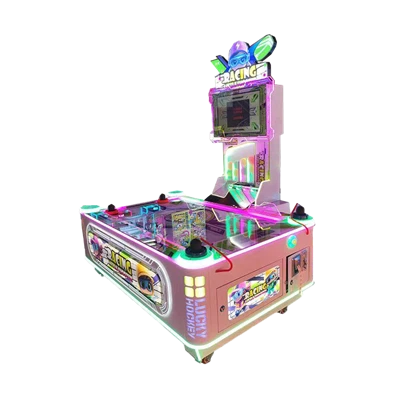
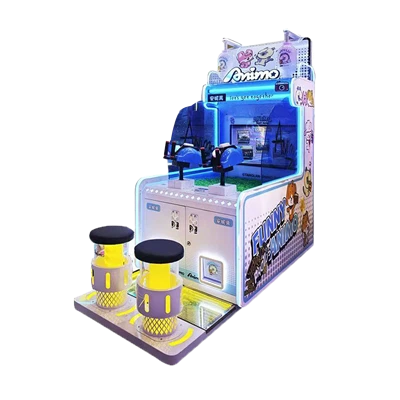
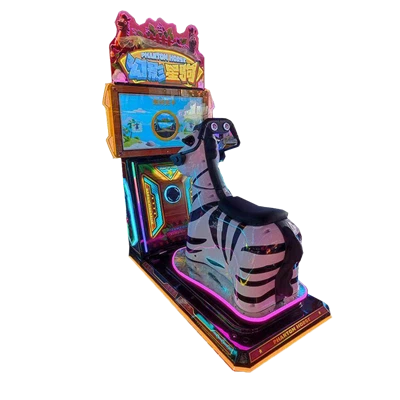
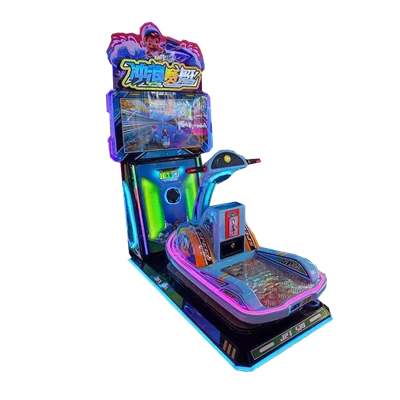
In daily operation, the real cost of gift machine downtime is not the repair bill itself, but the lost revenue, poor player experience, and reduced trust from venue owners. Many downtime issues are not caused by poor machine quality, but by unplanned and reactive maintenance. When maintenance only starts after a breakdown, small problems often grow into full machine shutdowns. To reduce downtime in a real way, maintenance must be treated as a regular operating process, not an emergency task.
Build a Basic but Actionable Routine Inspection System
Replace reactive checks with fixed inspection frequency
Reducing downtime does not start with more repairs, but with inspections that can actually be carried out. Effective daily checks should be layered instead of trying to inspect everything at once. Visual condition, button response, and abnormal sounds can be checked daily without opening the machine. Key areas such as claw movement, prize paths, and sensor response should be inspected regularly with the cabinet opened. This layered approach helps operators catch early warning signs with minimal time cost, preventing small issues from turning into shutdowns during peak hours.
Focus on High-Wear Parts Instead of Maintaining Everything Equally
Separate "run-risk" parts from "shutdown-risk" parts
Not all part failures lead to immediate downtime, and this is where maintenance effort is often wasted. The highest priority should be parts that directly affect payout or prize delivery, such as claw transmission systems and steel cables, cutting triggers in cut-wire machines, or push mechanisms in coin pusher gift machines. When these parts lose accuracy, temporary fixes rarely work. Other parts, such as external panels or non-critical components, can often continue operating until scheduled maintenance. By ranking parts based on shutdown risk, maintenance efforts stay focused on what truly keeps the machine running.

Keep the Inside of the Machine Clean to Prevent Gradual Performance Loss
Treat cleaning as performance maintenance, not just housekeeping
Many gift machines slowly lose performance not because of software or electronics, but because dust, prize debris, and foreign objects interfere with sensors and moving parts. Prize outlets and sensor areas are especially sensitive to dirt buildup, which increases the chance of misreads and jams. Regular internal cleaning helps maintain smooth operation and reduces sudden downtime caused by long-term buildup rather than sudden failure.
Manage Spare Parts Inventory with Downtime Risk in Mind
Separate "must-replace-now" parts from parts that can wait
Spare parts management is not about stocking more parts, but stocking the right ones. Some parts, such as core sensors, motors, and key control buttons, can stop the machine immediately when they fail and should always have basic stock available. Other parts, like structural or cosmetic components, may not affect operation right away and can be replaced during scheduled service. This approach prevents long downtime caused by waiting for parts while avoiding unnecessary inventory pressure.

Record Maintenance and Failure Data to Improve Long-Term Stability
Use repeated issues to identify real maintenance priorities
Maintenance records matter not because of paperwork, but because of comparison over time. By tracking failure types and frequency, operators can see which problems are occasional and which are structural risks. This information helps adjust inspection schedules and also supports smarter purchasing decisions, avoiding machines that consistently require high maintenance.
Make Sure Operators Understand Basic Usage Rules
Reduce hidden wear caused by improper operation
Some downtime issues are not technical failures but the result of poor daily operation, such as improper prize placement, ignoring warning signs, or overloading machines. Basic training for operators can reduce these risks without adding maintenance cost. Stable operation often comes from consistent usage habits, not frequent repairs.

Conclusion: Downtime Is Reduced Through Systematic Maintenance, Not Quick Fixes
Make maintenance part of daily operations
Reducing gift machine downtime does not require complex technology, but a maintenance system that can be followed over time. Inspection routines, risk-based part focus, cleaning habits, and spare parts planning all directly affect machine stability. For operators, proactive maintenance is more cost-effective than emergency repairs and supports long-term, stable revenue.