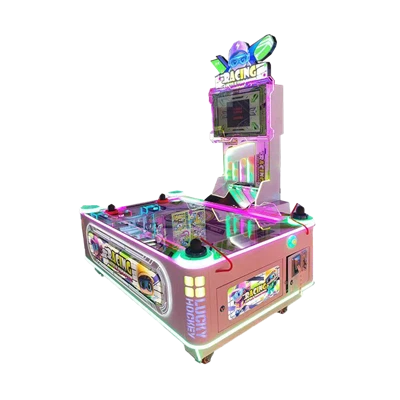
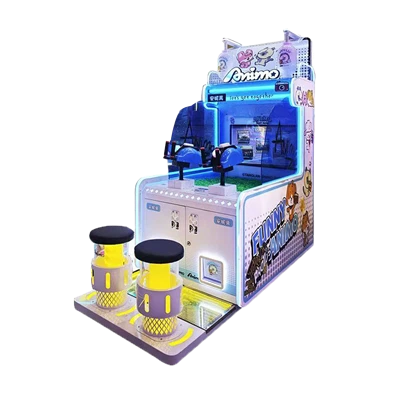
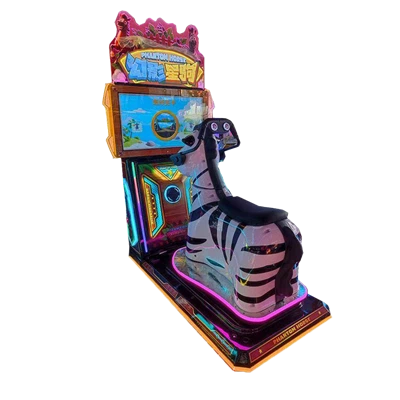
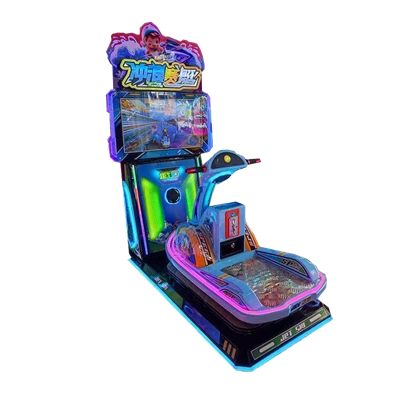
Choosing gift machines for arcades and entertainment centers is not just a purchasing task, but a long-term operating decision. In real-world operation, what truly affects profit is not how popular or eye-catching a machine looks, but whether it can run stably, stay controllable, and remain easy to manage under daily high usage. Many operators focus too much on price or appearance at the buying stage and later face problems such as unstable payouts, frequent maintenance, or long downtime, which slowly eats away at profits. A good selection process should always start from an operating perspective, not a one-time purchase mindset.
Start With Location and Player Behavior, Not the Machine Itself
How gameplay pace must match real player behavior
Different locations create very different player habits, and this directly affects what type of gift machine works best. In busy arcades or shopping malls where players make quick decisions and move fast, machines should offer simple controls and fast feedback so players can understand and start playing within seconds, while in family entertainment centers or locations with longer dwell time, machines with slightly deeper interaction and challenge can increase repeat plays and overall engagement instead of relying only on impulse spending.
Define Your Prize Structure Before Choosing Machine Type
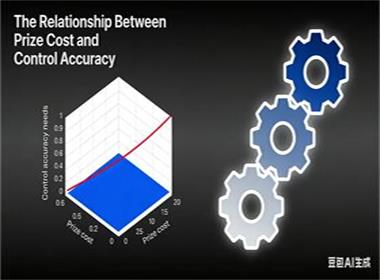
Prize cost directly determines control accuracy needs
In real operation, prize value is one of the most important factors when selecting a gift machine. When higher-value prizes are used, the machine must provide stable and precise control over claw strength and payout behavior, because even small changes can quickly affect profit margins, while for low-cost prizes, durability and long-term stability become more important than advanced control features, making it smarter to choose machines designed for heavy use rather than unnecessary complexity.
Do Not Be Misled by Appearance, Focus on Internal Structure
Long-term stability depends on mechanical and control design
Many gift machines look similar on the outside, but the real difference shows up inside the cabinet, where mechanical structure and control layout decide how well the machine performs over time. Details such as whether the claw lifting system has buffering, whether the transmission structure is simple and reliable, and whether the control boards are centralized and easy to adjust all play a key role in reducing wear, preventing performance drift, and making daily adjustments easier for operators.
Payout Stability Matters More Than "Easy to Win" Appearance
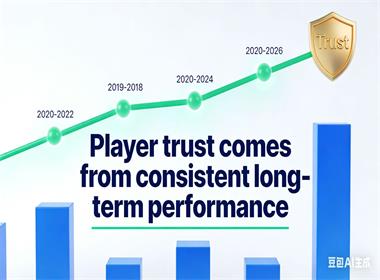
Player trust comes from consistent long-term performance
In actual operation, players judge a machine based on repeated experience, not a single play. If a gift machine shows big differences in difficulty at different times or after consecutive wins, players quickly notice and lose trust, which leads to lower play frequency. A well-designed machine should maintain relatively consistent behavior under continuous use, and this stability is best evaluated by observing performance across multiple play cycles rather than relying on first impressions.
Maintenance Difficulty and Spare Parts Supply Affect Profit Directly
Simple maintenance supports scalable operation
In venues operating many machines at once, maintenance efficiency often matters more than individual machine performance. Components such as claw assemblies, transmission parts, and sensors are the most common wear points, and if they require complex disassembly or specialized technicians, operating pressure increases quickly. Machines with clear internal layout and simple maintenance paths are much better suited for long-term and large-scale operation.
Spare parts and technical support reduce downtime risk
Even reliable gift machines will experience part wear over time, and if spare parts are hard to get or technical support is slow, small issues can turn into long periods of lost income. That is why operators should confirm parts availability, replacement speed, and support response before ordering, instead of waiting until problems appear during operation.
Make Decisions Based on Long-Term Returns, Not Purchase Price
Total operating cost is the real comparison point
A lower purchase price does not always mean better value. A more practical approach is to consider total operating cost, including maintenance frequency, downtime risk, and labor input, because machines that cost slightly more but run reliably often generate higher net returns within a shorter operating period.
Conclusion: Machines That Support Operation Are the Right Choice
Selecting gift machines for arcades and entertainment centers is ultimately an operating decision, not just a buying task. Machines that offer stable structure, consistent payout behavior, manageable maintenance, and reliable long-term performance are the ones that truly support business growth. Making careful, detailed decisions at the selection stage helps build a stronger foundation for long-term profitability.