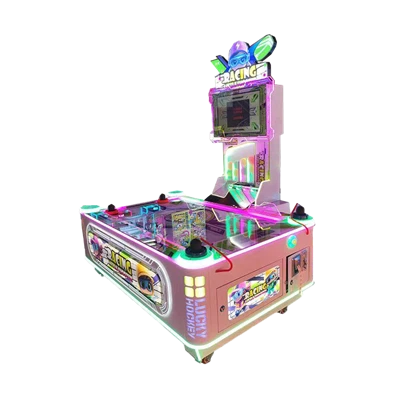
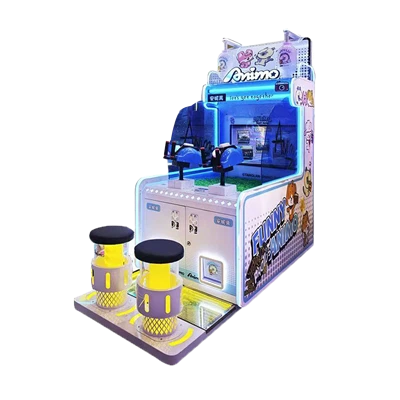
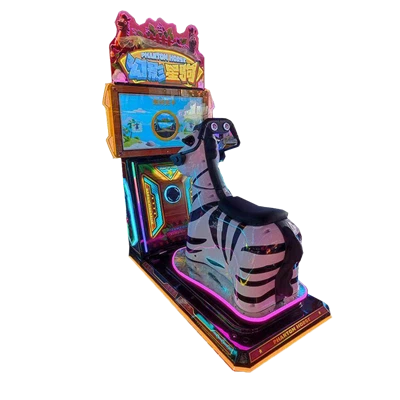
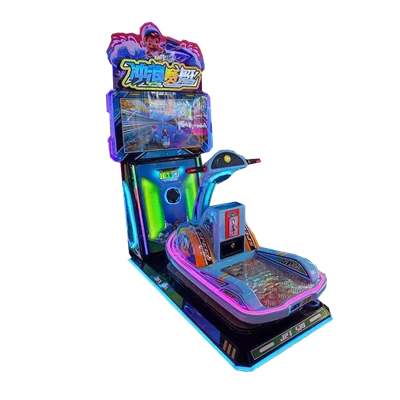
Short answer: building a pinball machine today can look cheap on paper but the real manufacturing story is multi-layered - parts and assembly are only part of the cost; design, licensing, tooling, QA, and logistics push per-unit economics into very different bands. Below is a practical breakdown for buyers and distributors.
Where the main costs sit
Raw parts & assembly. Basic cabinets and "virtual" pinball units from China can show low MOQ prices (many suppliers list machines from roughly $800–$2,500), which reflects simplified electronics, standardized cabinets, and mass PCB/monitor sourcing. These listings are a real market signal for entry-level OEM pricing.
True build cost (mid-to-high end). For hobby/pro-level mechanical machines, experienced operators and builders estimate core manufacturing and assembly per head more realistically in the $2,000–$4,000 range once you include quality playfields, metalwork, custom plastics, and higher-spec electronics. Established brands' internal cost models typically sit below retail but well above the cheapest OEM quotes.
Licensing & IP. Licensed themes add material fixed costs - licensors or IP brokers commonly charge either a flat license fee or a per-unit fee; industry reports and developer discussions point to licensing deals often involving tens of thousands of dollars up-front or a per-unit royalty that can amount to meaningful cost per machine if volumes are modest. Budget for licensing when assessing margins.
Consumables and replaceable parts. Coils, rubbers, bulbs, and common replacement parts are inexpensive individually (coil assemblies $15–$30, glass/playfield bundles hundreds), but they matter to lifetime cost and aftermarket service planning. Keep spare parts pricing in your TCO model.
Other hidden line items. Tooling for molds/PCB setup, art & design (playfield and backglass), QA, shipping (large, heavy crates), and warranty/service all raise effective unit cost and extend payback time. Retail prices for new machines range widely - from low-end virtual units to $6k–$10k+ for premium new tables - which shows where margins land after distribution.
OEM vs. own-brand (white label) - margin logic
- OEM buys (China suppliers): lower upfront unit price but tighter margins if you rebrand and resell; quality variance and after-sales risk can increase lifecycle cost. Use small sample buys to validate suppliers.
- Own-brand / in-house design: higher initial investment (design, tooling, licensing), but better control over feature sets and higher resale margins if you can reach volume or unique value. Consider hybrid: license your software/hardware, assemble locally.
Quick procurement checklist (practical)
- Request an itemized cost breakdown from suppliers: PCB, cabinet, playfield, motion components, packing, shipping.
- Insist on sample units and a 3rd-party QC report.
- Clarify licensing: flat fee vs. per-unit royalty and what territories are covered.
- Contract SLA: lead times, defect rates, RMA process, and spare-parts commitments.
- Model TCO for 36 months: purchase + shipping + warranty + spare parts + expected failure rate.