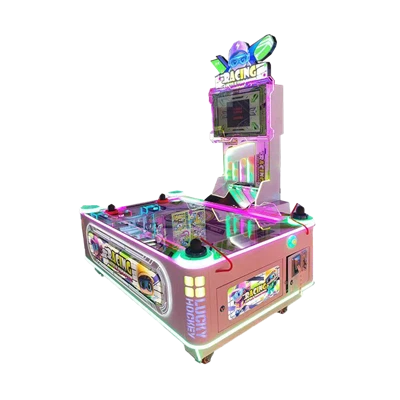
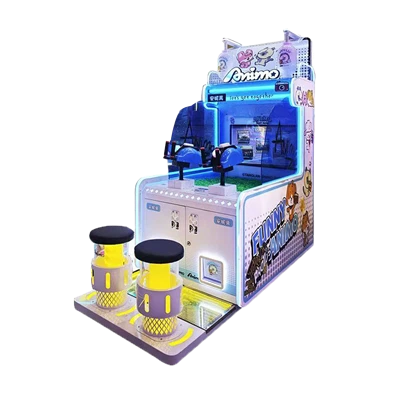
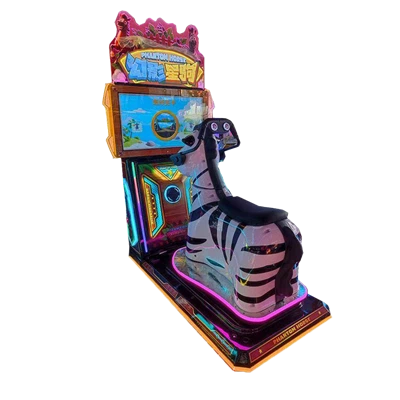
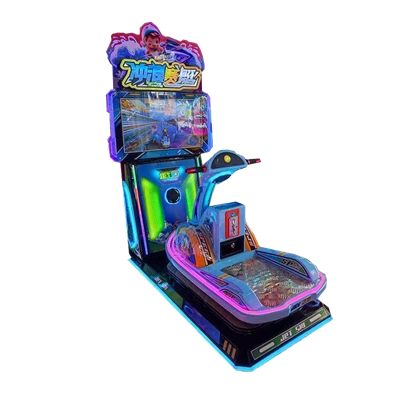
In 2026, growth in the arcade industry is no longer driven by a single factor. It comes from changes in user behavior, machine structure, and operating models. For investors and operators, understanding these drivers is not just about knowing trends. It is about making better decisions for future investment. If you only focus on surface popularity and ignore the real reasons behind growth, it is easy to make short-term decisions that hurt long-term results.
1. Repeat Play Behavior Is Driving Stable Revenue Growth
Repeat Play Is Becoming the Foundation of Growth
Today, stable growth depends more on repeat spending than one-time play. Machines that encourage players to come back again and again are more likely to create steady income. In real operation, this can be judged through simple observations. For example, do players insert coins multiple times in a row? Do some players come back after a period of time? Does the game often create a "close but not finished" feeling that keeps players trying again?
If these patterns appear consistently, the machine likely has a strong repeat play structure. This kind of structure supports long-term growth, not just short-term attraction.

2. Mid-Cost Equipment Expands Market Accessibility
Mid-Range Machines Lower Entry Barriers
Mid-cost machines are becoming the main choice in the market. They are easier to manage in terms of cost, maintenance, and space requirements. This allows more small and medium investors to enter the market. Lower entry barriers help expand the overall market size and support continued growth.
3. Higher Space Efficiency Improves Revenue Density
Space Efficiency Drives Higher Revenue per Area
As rent and operating costs increase, operators pay more attention to revenue per square meter. This is not only about machine size, but also about how efficiently the machine is used. For example, can players take turns quickly? Is the game time short enough to allow more users? Does the machine support continuous use without long waiting times?
If a machine is occupied by one player for too long or has slow turnover, overall efficiency drops, even if each play brings good income. High turnover is the key to better space performance.
4. Simpler Gameplay Attracts Broader Audiences
Easy Gameplay Expands the User Base
Simple and clear gameplay is easier for people of all ages to understand. This increases the number of potential players. If a machine takes too long to learn, many users may choose not to try. Easy-to-play machines can attract more users in a short time, which helps increase total traffic.
5. Maintenance Optimization Reduces Revenue Loss
Stability Helps Reduce Hidden Losses
Machine breakdowns do not only increase repair costs. They also lead to downtime and lost income. In real operation, you can judge maintenance performance through a few key signs. For example, can key parts be replaced quickly? Does the machine need frequent shutdowns for repair? Is it easy to find and fix problems?
If a machine is hard to maintain or breaks down often, it will reduce profits over time, even if it performs well at the beginning. Good stability and easy maintenance are important for long-term growth.

6. Hybrid Entertainment Models Increase Spending per Customer
Mixed Business Models Improve Customer Value
More venues are combining arcade machines with retail, food, or other entertainment options. This helps increase the time customers stay and the total amount they spend. Growth is no longer based only on single machines, but on the overall experience.
7. Data-Driven Operation Improves Decision Accuracy
Data Supports Better Decisions
With better systems, operators can now collect more user data. This helps them understand which machines perform well and which do not. Without data, decisions are often based only on experience. Data makes it easier to improve performance over time and support growth.
8. Social and Interactive Experiences Attract Younger Users
Social Features Increase Engagement
Younger users prefer machines that allow interaction or shared experiences. These features increase engagement and lead to more repeat play. Machines with stronger interaction are more likely to stay attractive over time.
9. Supplier Ecosystem Is Becoming More Mature
Stable Supply Chains Support Expansion
As the market grows, suppliers are improving in technical support and spare parts supply. This reduces operational risk and makes it easier for new investors to enter the market. A stronger supply system supports overall industry growth.
10. Flexible Machine Mix Supports Different Business Models
Machine Mix Adapts to Different Needs
Different venues can choose different machine combinations based on their goals, such as attracting traffic or building stable income. This flexibility allows arcade businesses to work in many types of spaces, from large centers to small locations, which supports market growth.
Conclusion
Growth Comes from Multiple Factors Working Together
Arcade market growth in 2026 is not driven by one single reason. It is the result of several factors working together. For investors, understanding these drivers helps make better decisions in machine selection, space planning, and operations, leading to more stable long-term growth.