In short, what makes a racing arcade feel "real" isn't just realistic graphics - it's the believable combination of physics, tactile response, and body movement. The most authentic arcade racers use accurate simulation (like tire grip and suspension), strong force feedback through the wheel or handlebars, and motion or seat effects that let players sense shifts in weight and traction.
What makes realism believable in an arcade
Three technical pillars decide realism: (1) a well-tuned physics model (how tires, weight transfer and suspension behave), (2) low-latency, high-fidelity force feedback that communicates those forces to the player, and (3) motion/tactile systems that match what the eyes and body expect. Without that trio, you can have stunning visuals but the ride still feels "gamey." Industry write-ups and hardware makers emphasize that force-feedback behavior and motion-cueing are the difference between adrenaline and imitation.
Arcade rigs vs. pro simulators - the real tradeoff
High-end sims (Axsim, SimXperience, bespoke 6-DOF rigs) can approach training-grade fidelity but at a price and footprint that most arcades won't accept. Arcade cabinets aim for the sweet spot: enough physics and good haptics to feel authentic, but tuned for short, repeatable sessions and robustness under heavy public use. The F1 Arcade concept and modern motion arcade cabinets purposely tune realism toward accessibility - delivering believable sensation without the complexity of a race-team simulator.
Hardware that actually matters
When investing in arcade racing setups, operators should focus their budget on motion systems (with at least 2–3 axes), modern force-feedback wheels, high-quality pedals, and well-built cockpits or bike frames. Companies like DOF Reality and Next Level offer motion platforms made specifically for arcades and simulators - their technology demonstrates how motion effects and consistent tactile feedback significantly enhance the feeling of realism. In other words: high-end hardware is what turns good game software into a truly believable experience.
Why motorcycle arcade units stand out
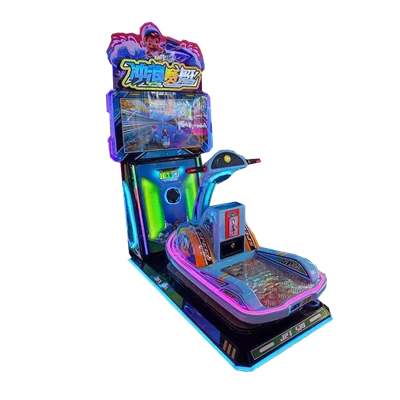
Motorcycle cabinets - like those used in major licensed motorcycle arcade games - offer a unique sense of posture, handlebar vibration, wind effects, and balance that car simulators can't match. Well-made motorcycle simulators deliver instant, exciting action and are highly shareable on social media - making them real attention-grabbers on the arcade floor. Popular examples, such as Sega's motion bike games and newer MotoGP-style simulators, show how the right combination of chassis, motion, and sound creates an experience that feels authentic and draws players in.
Practical takeaway - for operators
If you want the "realest" racing arcade that still earns: mix one deeper motion/sim cabinet (for enthusiasts and ticketed sessions) with several approachable, well-tuned arcade racers for casual players. Prioritize reliable FFB, maintain pedals/contacts, and tune motion intensity so it impresses without scaring off novices.

Quick plug - our motorcycle simulator
Our Motorcycle Arcade Game unit is built to that play-for-profit spec: adjustable motion-cueing, high-torque handlebar feedback, responsive throttle/brake systems, and operator-configurable session lengths and difficulty. It's designed to sit on a mall floor, draw eyes from the aisle, and keep both casual riders and returning enthusiasts coming back.