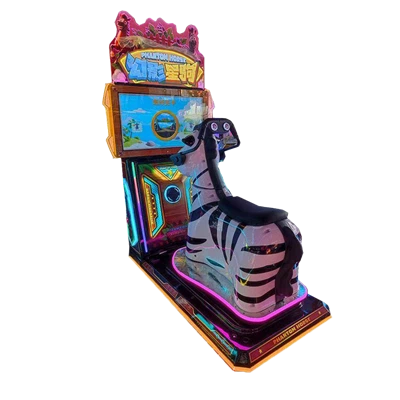
Prize machines (claw machines, gashapon/capsule units, redemption games) can make good money - but laws vary a lot between countries and even between states or cities. Here's a clear, easy-to-follow guide to the main legal risks and practical steps to stay compliant when you expand.
1. Skill vs. Chance
Key difference: Many regulators treat skill-based machines differently from chance-based (gambling) machines.
What to do: Design and document how your machine depends on player skill (controls, timing, technique) and display clear instructions on the cabinet.
2. Licenses & Local Rules
Rules differ: U.S. states and cities, EU countries, and other markets have different permits, fees, and tests.
What to do: Before deploying machines, check local laws and budget for any required licences or inspections.
3. Prize Value & Fairness
Why it matters: High-value prizes, hidden settings, or unclear odds draw regulatory scrutiny and customer complaints.
What to do: Post prize values, explain how difficulty settings work, and avoid opaque "rigging." Keep logs of any changes to payout or difficulty.
4. Promotions & Sweepstakes
Extra rules: Giveaways, sweepstakes, and cross-border promotions often have separate legal rules (filing, disclosures, bonds).
What to do: Treat promotions as legal products - get counsel for international campaigns and use geo-specific terms if needed.
5. Monitoring Rules in Different Markets
Stay flexible: Some countries may tighten rules or change technical standards.
What to do: Monitor legal updates and make sure machines can be updated remotely (firmware, settings).
Quick Compliance Checklist
- Map requirements - For each target market, list licences, prize limits, and filing rules.
- Design for audit - Keep tamper-evident logs of difficulty and payout changes; lock service mode.
- Show transparency - Add visible prize lists, basic odds or explanations, and contact info for complaints.
- Protect players - Offer age signage and optional spending limits in cashless systems.
- Review promotions - Send cross-border drops or sweepstakes to legal review before launch.
- Protect data - If collecting payment or loyalty data, follow local privacy laws (GDPR, PDPA, etc.).
Why follow these steps?
Being proactive builds trust with customers, avoids fines, and makes international growth easier. Transparent machines and clear processes also protect your brand and revenue.