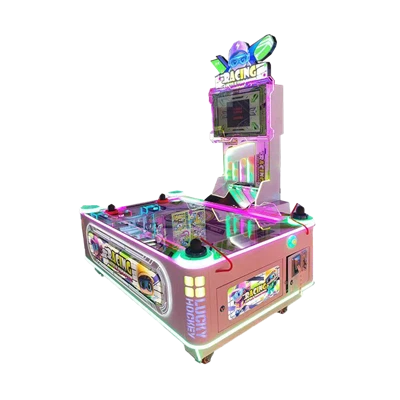
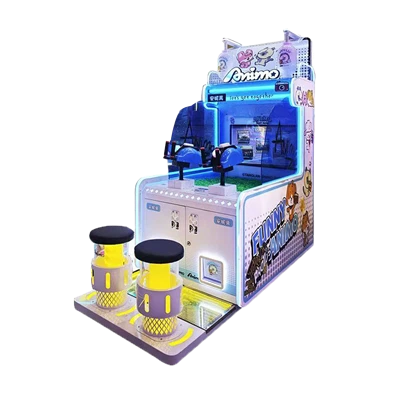
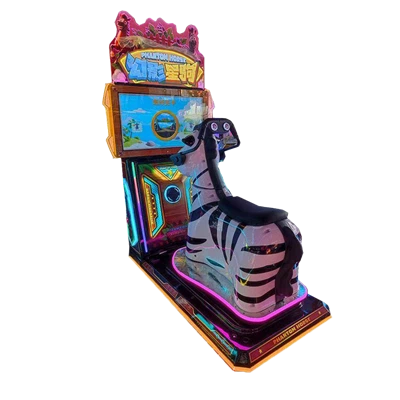
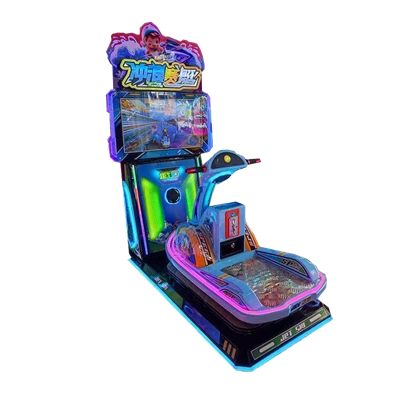
Coin pushers have been around for decades, yet they remain a staple in modern arcades and home entertainment centers. When I compare coin pushers to other pay-to-win games, such as claw machines, electronic lottery games, or quick-win machines, I find a common thread: coin pushers offer more stable revenue, lower maintenance costs, and attract a wider player base.
Here are five key reasons why coin pushers typically outperform other pay-to-win games, supported by real operator data and firsthand experience.
Reason 1 - Higher player engagement and lower learning curve
Simple mechanics lead to more frequent gameplay experiences
Unlike video-based prize-winning games that require timing, skill, or multiple steps, coin pushers are simple and straightforward. Players insert coins (or swipe cards), the platform moves, and then players wait for the prize to drop. Because of the simple rules, players enjoy trying them.
A 2024 industry survey showed that although low-complexity games occupy less than a third of the space in most arcades, they account for more than 40% of the total games played. Coin pushers are one of the largest contributors to this.
Instant feedback encourages repeated attempts
The visually dynamic effects of coins stacking, sliding, and balancing on the edge attract players' attention, resulting in a high frequency of replays. Operators typically report an average of 10 to 20 plays per customer, which is higher than many skill-based prize-winning games.
Reason 2 – More Stable and Predictable Income
Lower volatility compared to skill-based games.
The payouts of skill-based prize games often fluctuate over time, with prize adjustments and changes in player skill levels. Coin pusher games, on the other hand, offer more stable daily payouts due to their slow pace, high repetitiveness, and consistent visuals.
In many family entertainment centers I've observed, a pusher operator can earn between $250 and $450 per week, with significantly less income fluctuation compared to claw machines or arcade games.
Suitable for different customer groups
Coin pusher machines attract players from children, teenagers, adults, and the elderly. This broad user base reduces the risk of low customer traffic. Even if other machines experience a decline in customer traffic, coin pusher machines can continuously generate a stable income from microtransactions throughout the day.
Reason 3 – Lower maintenance and operating costs

Reduce technical malfunctions
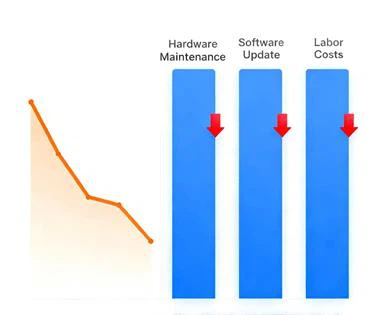
Prize-winning game machines consist of screens, sensors, motors, cameras, and software, all of which require regular inspection. Coin pushers, especially modern designs, have fewer moving parts. Motors, conveyor belts, LED displays, and coin slots are easier to maintain.
According to operator logs, modern trolleys require 30-40% less maintenance time per month than large video prize-winning machines.
Reduce annual maintenance budget
Replacement parts for coin pusher machines are affordable. Most operators spend less than $300 per year on basic maintenance, far less than the cost of maintaining a new video prize machine. Reduced downtime also translates to an increase in the total number of games played each year.
Reason 4 - Higher revenue per square foot
Small footprint, high throughput
Coin pusher machines don't take up as much space as arcade machines or VR games. Two- or four-player coin pusher machines can easily fit into spaces that some modern arcade machines might not be able to accommodate. This is a huge advantage for home entertainment centers with limited space.
In my case studies comparing several types of machines, cart-style machines consistently ranked among the top in revenue per square foot, especially in busy family-oriented venues.
Performs strongly near high-traffic machines
Placing carts near claw machines or gashapon machines is even more effective. Visitors to claw machines tend to linger longer if carts are nearby because playing with a cart feels "low-risk" and easy.
Operators report that placing carts near high-traffic machines can increase revenue by 10-18%.
Reason 5 – Flexible bonus structures can improve profit margins

Operators can adjust compensation rates without changing hardware.
Modern enablers support:
Coins
Tokens
Card systems
Digital ticket payments
Gashapon prizes
Multi-tiered physical rewards
This flexibility allows operators to adjust payout rates through software or simple mechanical tweaks. Other payout games typically require component changes or more costly prize alterations.
Low-cost prizes lead to high profit margins
Most coin pusher machines use low-cost tokens, small capsules, or electronic vouchers. The cost per use of these items is far lower than the plush toys or licensed merchandise required by some prize machines.
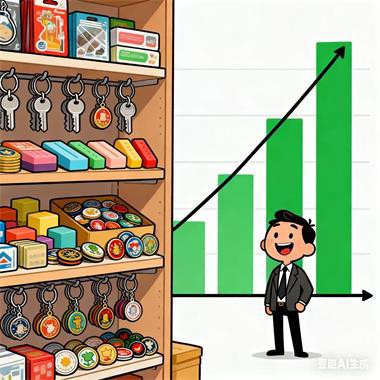
Depending on the type of prize and venue traffic, pusher carts typically offer profit margins of 60% to 75%. This makes pusher carts highly economically attractive to both small venues and large family entertainment center chains.
Driving factors will further strengthen in 2025
Social gaming behavior
Compared to single-player video games, coin pushers are more likely to attract groups of players. People enjoy watching the coin pile move, predicting when coins will fall, and sharing moments when coins accumulate dramatically. This social element can extend player dwell time and encourage spending.
Improved Modern Design
While the core mechanics remain simple, manufacturers have added LED effects, sound cues, reward zones, and multi-prize trays. These upgrades enhance visual appeal without increasing maintenance complexity or operating costs.
Final words
Compared to other prize-winning games, the advantages of coin pushers are obvious. Coin pushers are easy to operate, resulting in high customer traffic; they offer stable weekly revenue; maintenance costs are low; and they effectively utilize limited space. Furthermore, flexible payout methods allow operators to better control profit margins.
For FEC, which is planning its machine lineup for 2025, coin pushers remain one of the most reliable and financially stable categories.