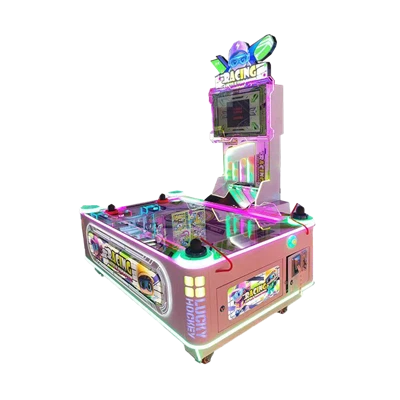
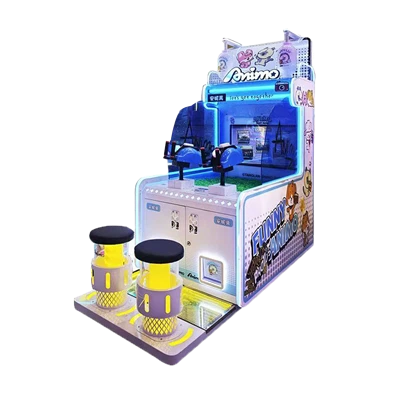
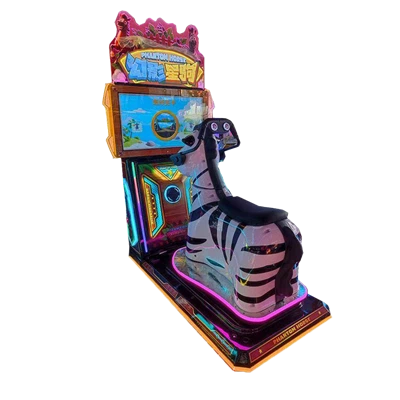
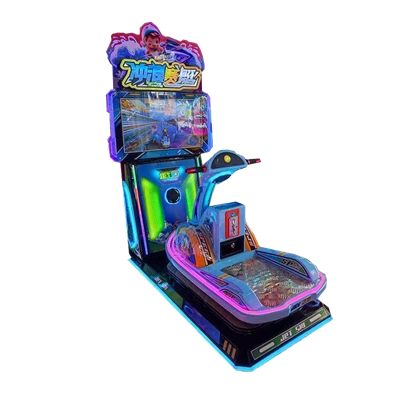
Betting machines are often grouped together as simple gambling devices, but in real operation, they serve very different roles depending on their type, location, and control system. For operators, understanding how betting machines work is not only about legality, but also about player behavior, maintenance needs, and long-term revenue stability. A machine that performs well in one market may fail in another if its structure and use case are misunderstood.
This article explains the main types of betting machines, how they are used in real locations, and what operators should know before placing or purchasing them.
What Are Betting Machines in Commercial Use?
How betting machines differ from standard arcade machines
Unlike traditional arcade machines that focus on skill-based play or entertainment value, betting machines are designed around wagering behavior. The player's primary motivation is not gameplay mastery, but the outcome of a bet. This difference changes how machines are built, how often they are played, and how players interact with them. Betting machines usually require clearer result feedback, faster game cycles, and stronger control systems to prevent disputes and misuse.
Why betting machines are sensitive to regulation and setup
Betting machines operate in a legal gray area in many regions. Even machines with similar appearance may be classified differently depending on payout method, randomness level, or reward type. For operators, this means that machine configuration matters as much as machine design. Small changes in settings, such as payout limits or reward formats, can change how a machine is viewed by local authorities.
Main Types of Betting Machines

Mechanical betting machines and their limitations
Mechanical betting machines rely mainly on physical motion and simple control logic. Examples include basic number wheels or mechanical draw systems. These machines are easy to understand and often cheaper to maintain, but they lack flexibility. Once installed, changing rules or payout structures usually requires physical modification. As a result, mechanical betting machines are more common in low-complexity environments where rules rarely change.

Electronic betting machines with digital control systems
Electronic betting machines use software to control game flow, odds, and outcomes. This allows operators to adjust settings such as bet size, game speed, and payout frequency without hardware changes. These machines also provide clearer data tracking, which helps operators monitor performance. However, electronic systems require stable power, proper software management, and regular updates to avoid errors or downtime.

Hybrid machines combining physical action and digital results
Some betting machines mix physical interaction with digital result processing. Players may press buttons, spin wheels, or interact with physical elements, while the final outcome is calculated electronically. This hybrid design can increase player engagement because it feels more interactive, but it also increases system complexity. Operators must pay closer attention to sensor accuracy and software synchronization.
Common Use Scenarios for Betting Machines
Small venues and localized betting environments
In small venues, betting machines are often used to create short, repeat play cycles. Players place small bets, receive quick results, and move on. In these environments, reliability is more important than visual complexity. A machine that frequently stops or confuses players will quickly lose trust, even if payouts are acceptable.
High-traffic locations with continuous player flow
In larger locations, betting machines must handle long operating hours and constant use. Machines in these environments are exposed to faster wear and higher risk of misuse. For operators, this means choosing machines with strong internal components, clear user interfaces, and stable control systems. Downtime in high-traffic locations directly affects revenue.
What Operators Should Know Before Installing Betting Machines
How payout structure affects player retention
Payout design directly shapes player behavior. If payouts are too frequent and small, players may lose interest quickly. If payouts are too rare, players may feel discouraged. Successful betting machines use balanced payout logic that keeps players engaged without creating frustration or unrealistic expectations. Operators should understand these settings before deployment rather than relying on default configurations.
Why maintenance planning matters more than appearance
Many operators focus on machine appearance when making purchasing decisions. However, internal structure and maintenance access matter far more in daily operation. Machines with poor internal layout take longer to repair, increasing downtime. Over time, maintenance efficiency has a stronger impact on profitability than visual design.
How understanding machine logic reduces disputes
Player disputes often come from misunderstanding how outcomes are calculated. Operators who understand machine logic can explain results clearly and handle complaints more effectively. This reduces conflict and builds trust, especially in environments where players watch outcomes closely.
Long-Term Value and Operational Risk
Why stable performance matters more than short-term profit
Some betting machines are designed to generate high returns quickly but suffer from frequent failures or regulatory risk. In contrast, machines with stable performance and clear rules tend to build consistent income over time. For operators, long-term value depends on choosing machines that fit their environment rather than chasing short-term gains.
Conclusion: Making Informed Decisions About Betting Machines
Understanding machines before operation reduces risk
Betting machines are not interchangeable products. Their type, control system, and intended use all affect how they perform in real locations. Operators who understand these factors can make better purchasing decisions, reduce operational problems, and maintain stable performance over time. A clear understanding of betting machines is not a technical advantage, but a practical requirement for long-term operation.