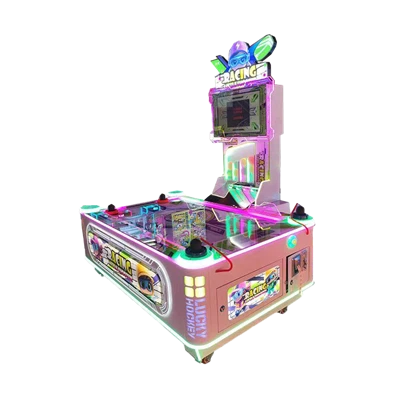
At first glance, a pinball machine looks like a simple arcade game based on a rolling steel ball. In reality, it is a tightly connected system made up of physical motion, mechanical structures, electrical signals, and software logic working together at the same time. Players see fast ball movement and flashing lights, but behind that experience is a system that must stay accurate and stable under heavy daily use. Understanding how a pinball machine works helps explain why some machines stay reliable and engaging for years, while others lose player interest much faster.
Core Gameplay Mechanics of a Pinball Machine
How gravity, ball weight, and playfield angle shape the game pace
Pinball gameplay is built on real physical rules rather than random outcomes. The weight of the steel ball, the slope of the playfield, and the placement of ramps and obstacles together control how fast the game feels. If the playfield angle is too steep, the ball drains too quickly and players feel rushed. If the angle is too shallow, the ball slows down and the game loses energy. Well-designed pinball machines find a balance where gravity keeps the ball moving while still giving players enough time to react and make skill-based decisions.
How flipper control creates skill within physical limits
Flippers are what turn pinball into a skill-based game instead of passive ball watching. However, flippers are not designed to give full control. Their power, angle, and response time are limited on purpose. These limits force players to learn timing and positioning rather than relying on brute force. If flippers are too strong, gameplay becomes flat and predictable. If they are too weak, players feel frustrated. The controlled balance between power and limitation is what gives pinball its long learning curve and replay value.
Hardware Components Behind the Gameplay

Why high-frequency mechanical motion demands durable design
Inside a pinball machine, many mechanical parts move constantly during operation, including flippers, bumpers, kickers, and ball return systems. These parts may activate thousands of times in a single day in a busy arcade. If the mechanical design does not allow for long-term wear and adjustment, small changes in alignment or movement speed will slowly affect gameplay. For this reason, quality pinball machines are designed with adjustment points so operators can correct wear instead of replacing major parts too early.
How sensor placement affects scoring accuracy and feedback
Sensors and switches tell the machine what the ball is doing at any moment. They detect hits, track ball paths, and trigger scoring events. If sensors are poorly placed or become unstable over time, the machine may fail to register clear shots even when the ball physically hits the target. This creates a gap between player action and game response, which quickly breaks trust. Reliable sensor design ensures that every meaningful action is recognized and rewarded correctly.

Scoring Systems and Game Logic
How scoring systems guide player behavior
Pinball scoring is not just about counting hits. It is designed to guide players toward certain actions, such as completing shot sequences, activating modes, or building multipliers. A strong scoring system rewards learning and improvement, encouraging players to come back and try again. If scoring feels unclear or unbalanced, players may not understand why they succeeded or failed, which reduces motivation to continue playing.
How software logic connects hardware and gameplay
Modern pinball machines rely on control systems that process inputs from flippers, sensors, and switches, then convert them into scores, lights, sounds, and game states. This software layer must stay in sync with physical actions. If timing is off, players may experience delayed responses or missing feedback. Smooth coordination between hardware and software is essential for the game to feel fair and responsive.
How All Systems Work Together During a Game
The complete system flow from launch to game over
When a game starts, the machine launches the ball onto the playfield and begins tracking every movement in real time. Each collision becomes both a physical event and a system input. The machine continuously checks the current game state and responds with scoring updates, visual effects, and sound cues. This constant coordination between mechanical motion, electrical detection, and software logic is what allows pinball machines to feel fast and alive despite their physical simplicity.
Why Understanding How Pinball Machines Work Matters for Operators
How system knowledge helps reduce downtime and mistakes
For operators, understanding how pinball machines work is not about fixing every problem personally. It is about knowing whether an issue is likely mechanical, electrical, or software-related. This basic understanding helps avoid unnecessary part replacement, shortens troubleshooting time, and improves communication with technicians or suppliers. Faster problem identification leads to less downtime and more stable daily operation.
Conclusion: From Gameplay Design to Long-Term Value
Why pinball machine value depends on system balance
A pinball machine's value is not defined only by how fun it looks on the surface, but by how well its systems work together over time. Gameplay mechanics, hardware reliability, and scoring logic must stay balanced for the machine to remain attractive to players and profitable for operators. Understanding how pinball machines work makes it easier to judge their quality, maintain performance, and support long-term operation in real commercial environments.