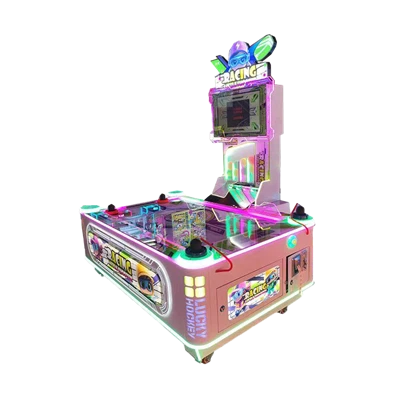
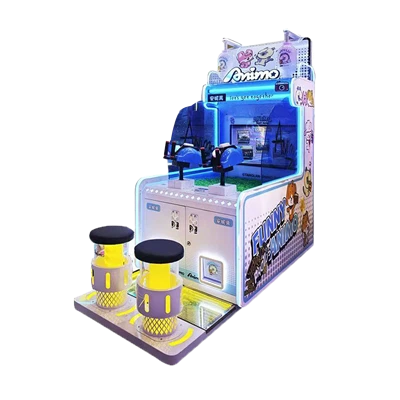
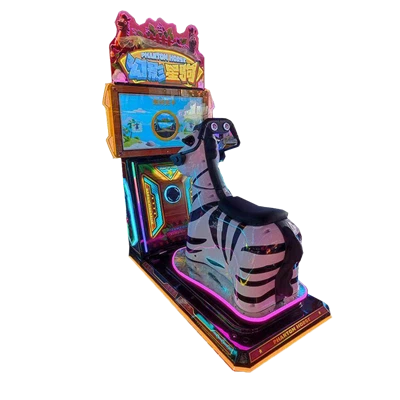
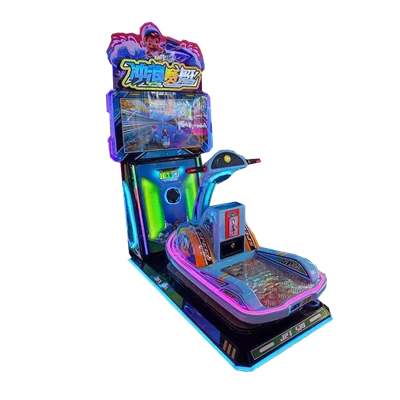
For B2B buyers, customizing a prize machine means more than adding a logo to the cabinet. Depending on the project, a manufacturer may be able to change the machine's appearance, size, lighting, game interface, payment system, prize area, and even some internal components.
However, not every part can be changed in the same way. Some changes only require a new design file, while others may require new structural designs, electronic parts, software development, or product testing. These changes can affect the unit cost, MOQ, production time, and delivery schedule.
Before starting a custom prize machine project, buyers need to understand one key question: What can a manufacturer really change, and which changes require extra development?
What Parts of a Prize Machine Can Manufacturers Customize?
Cabinet Design and Exterior Appearance
The cabinet is usually one of the easiest parts of a prize machine to customize. A manufacturer can adjust the cabinet size, shape, panel design, colors, and some exterior structures based on the buyer's needs. This allows the machine to match a brand's visual style or fit better into a specific venue.
For example, a shopping mall brand may want the machine to follow its existing brand style, while an arcade distributor may need different cabinet sizes for different venues. For larger orders, exterior customization can also help distributors create their own product line instead of selling exactly the same standard machine as other suppliers.
However, changing the exterior does not mean that the structure can be changed without limits. If a buyer wants to change the main dimensions or internal layout, the manufacturer may also need to check the available space, machine balance, wiring, and component positions. Buyers should therefore provide clear size and design requirements at the beginning of the project.
Colors, Logos, and Brand Graphics
Colors, logos, and brand graphics are some of the most common customization options for OEM prize machines.
A manufacturer can adjust the cabinet colors, stickers, printed graphics, logos, and some decorative elements based on the buyer's brand materials. For distributors with their own brands, this can make the machine look more consistent with their existing products.
Buyers should prepare logo files, color requirements, and artwork dimensions before production. For larger orders, it is also useful to request a design proof or sample before mass production.
Simple graphic changes usually have little effect on the internal machine system. However, special materials, printing methods, or complex surface designs may increase production costs and lead times.
Screen, Lighting, and User Interface
The screen and lighting system can also be customized for many prize machine projects. Depending on the machine design, a manufacturer may adjust the screen size, display content, lighting effects, button layout, and parts of the user interface.
For example, a buyer may want to add a company logo to the welcome screen, use a local language, or change the instructions for a specific market. Multi-language support can also be useful when the same machine will be sold in different countries.
However, there is a difference between changing screen graphics and changing the actual game system. If a buyer wants a new interaction method or new game function, the manufacturer needs to check whether the existing hardware and software can support it. Additional development and testing may be required.
Can the Gameplay and Prize System Be Customized?

Game Rules and Difficulty Settings
The gameplay and difficulty of a prize machine are not always fixed. Depending on the machine, operators may be able to adjust the game time, difficulty, winning rules, prize frequency, or other settings.
This can be useful for B2B buyers because different markets and venues may have different player habits. A setting that works well in a family entertainment center may not work as well in an arcade or shopping mall.
When discussing a custom prize machine, buyers should ask, "Which game settings can be changed?" They should also ask whether the settings can only be changed during production or whether operators can adjust them after delivery.
A flexible control system gives operators more room to make changes based on actual operating results instead of replacing the entire machine.

Prize Capacity and Prize Display
The prize area can also be adjusted based on the operating needs of the buyer. A manufacturer may be able to change the prize display area, storage capacity, prize delivery system, and refill method so the machine can work with different types and sizes of prizes.
For example, a buyer that mainly uses small toys may need more storage space, while larger prizes may require a bigger display area and a different delivery system.
This is an important detail that buyers sometimes overlook. When customizing a prize machine, do not only ask how the cabinet will look. Also confirm what prizes will be used, how many prizes the machine can hold, how easy it is to refill, and whether different prize types can be used.

Payment Systems and Play Settings
Payment systems are another important customization area for export projects. Different countries and venues may use different coins, tokens, bills, cards, or cashless payment systems.
A manufacturer may be able to configure the machine for a specific payment method, but buyers should confirm compatibility before placing an order. Payment modules can involve the machine's wiring, control system, software, and internal space.
If a distributor plans to sell the same prize machine in several countries, it is better to consider payment compatibility during the design stage. This can reduce the need for changes after production and make the machine easier to adapt to different markets.
What Internal Components Can Be Changed?

Control Systems and Electronic Components
The control system manages many of a prize machine's main functions, so it is not a component that manufacturers can simply replace without checking the rest of the machine.
Depending on the project, a manufacturer may adjust the control board, display module, communication interface, or other electronic components. If a buyer requests a new function, the manufacturer first needs to check whether the current system can support it. If not, hardware or software development may be needed.
For B2B buyers, the main goal should not be to make every component replaceable. Instead, buyers should understand which functions already use proven systems and which requests require additional development.
Using established control systems can reduce development risks, while major changes to the core system may require more testing.

Motors, Sensors, and Mechanical Parts
Motors, sensors, and mechanical parts may also need to change when the machine's structure or functions change. For example, changing the prize size, prize delivery method, or internal layout may require different mechanical parts.
However, these changes are more complex than changing a logo or cabinet color. One component can affect other parts of the machine, so the manufacturer needs to check the machine's operation, sensor positions, wiring, and overall structure.
If a buyer needs internal structural customization, it is better to provide the complete functional requirements at the beginning of the project. This can reduce repeated samples, design changes, and extra development costs.

Power Supply and Electrical Standards
Power and electrical requirements also need attention when selling prize machines to different countries. Markets can use different voltages, plugs, and electrical standards, so the manufacturer needs to prepare the appropriate power setup for the target market.
These changes are often easier than redesigning the machine structure, but they still need to be confirmed before production. If the buyer does not provide the target market information until later, additional changes may increase cost and delay delivery.
For export orders, buyers should tell the manufacturer the target country or region during the quotation stage and confirm the voltage, plug type, power supply, and other requirements.
What Customizations May Affect Production Cost?
Custom Designs Usually Require More Development Work
Not all customizations have the same cost. Some only require changes to artwork, while others require engineers to redesign the structure, electronic system, or software.
For example, changing a logo is usually a simple design adjustment. Changing the machine size, redesigning the control system, or adding a new game feature may require engineering work, samples, and testing.
When comparing supplier quotes, buyers should confirm exactly what customization is included in the price. Instead of only asking, "Can you customize this?" it is better to ask, "Is this customization included in the quoted price?"
Component Changes Can Affect MOQ and Lead Time
Changing internal components can affect both MOQ and production time. If the manufacturer can use existing standard parts, production may be easier to arrange. If new components need to be sourced or developed, a higher order quantity may be required to cover development and purchasing costs.
Lead time can also change. A standard machine can follow an established production process, while a custom machine may need design approval, sampling, testing, and mass production.
For this reason, B2B buyers should confirm three things at the beginning of a project: What is the MOQ? How long will the sample take? How long will mass production take?
Custom Materials and Features Can Change the Unit Cost
Special materials, surface finishes, lighting systems, and additional features can also increase the unit cost of a prize machine.
For example, special panels, metal structures, custom lighting, or additional displays may require different materials and production processes. The manufacturer will need to recalculate material, labor, and production costs.
For larger orders, buyers can separate customization into two groups: features that are necessary and features that are optional. Not every possible feature needs to be added to the machine. Focusing on changes that support sales or improve daily operation can help keep the overall budget under control.
What Can a Prize Machine Manufacturer Customize for Different Markets?

Language and Payment Requirements
Different countries may require different languages and payment methods, making these common customization areas for export prize machines.
A manufacturer can adjust screen language, operating instructions, and some software content based on the target market. The payment system can also be configured according to local needs when the machine supports the required hardware.
For distributors selling the same machine in several countries, it is better to confirm the requirements for each market before production. This allows the manufacturer to prepare different versions in advance instead of making changes after the machines are completed.

Size and Layout for Different Venues
Different venues also have different space requirements. A large FEC may have enough room for a larger prize machine, while a shopping mall, cinema, or small entertainment area may need a more compact model.
A manufacturer may be able to adjust certain dimensions and layouts, but changing the machine size can affect internal space, prize capacity, structural stability, and shipping.
When requesting a custom size, buyers should provide the actual available floor space when possible instead of giving only one required dimension. This gives the manufacturer a better understanding of the full space requirements.

Regional Safety and Electrical Requirements
When a prize machine is exported to another market, buyers also need to consider the safety, electrical, and import requirements that apply to the product and destination.
The exact requirements can vary by product type and market. Buyers should tell the manufacturer the target country at the beginning of the project and confirm which tests, documents, or certifications are required.
Confirming these details early allows the manufacturer to consider them during design and production. It can also reduce the risk of changes later in the order.
What Should B2B Buyers Ask Before Ordering Custom Prize Machines?
Confirm Which Parts Are Truly Customizable
Before starting a custom project, buyers should ask the manufacturer to clearly define what can be customized.
The list may include cabinet design, colors, logos, size, lighting, screen, language, game settings, prize system, payment system, and internal components.
This can prevent a common problem where a buyer assumes a feature is part of standard customization, only to find out later that it requires additional development.
A clear customization list helps both sides agree on the product design, quotation, and production plan before manufacturing starts.
Ask for Drawings, Samples, and Prototypes
For customization involving the structure, appearance, or functions, buyers should not rely only on written descriptions. Design drawings, 3D renderings, or physical samples can help both sides confirm the final product more accurately.
For larger orders, checking a sample before mass production is especially useful. Buyers can review the machine size, logo placement, lighting, controls, prize capacity, and overall appearance.
Finding problems at the sample stage is much easier than changing a product after a large production run has already started.
Confirm MOQ, Production Time, and Quality Testing
Custom orders should also include clear information about MOQ, sample costs, production time, and quality testing.
If the machine has changes to its internal structure or electronic system, buyers should ask whether the manufacturer will perform full-machine testing instead of only checking individual components.
For export orders, buyers should also confirm that packaging, shipping requirements, and electrical specifications are included in the production plan.
The earlier these details are confirmed, the easier it is to manage the purchasing process.
Why Does Customization Matter for Long-Term B2B Value?

Custom Machines Can Fit a Specific Brand or Venue Better
One of the main benefits of a custom prize machine is that it can better fit a specific brand, venue, and target audience.
For brand owners, matching colors, logos, and cabinet designs can make the machine part of the overall brand experience. For FECs and arcades, the right size, game settings, and prize system can help the machine fit better into the existing operation.
Customization should therefore do more than make a machine look different. The most useful customization should solve a real sales, branding, or operating need.
The Right Customization Can Support Long-Term Operations
Good customization should also consider how the machine will be used after delivery.
For example, an easier prize refill system, a suitable payment method, a simple user interface, and the right electrical setup can make daily operation easier and reduce future problems.
For B2B buyers, the goal should be to make the machine more suitable for the market, easier to operate, and practical for long-term use, rather than simply adding more features.

Conclusion
Customizing a prize machine is not limited to changing colors or adding a logo. Depending on the project, a manufacturer may be able to adjust the cabinet design, size, brand graphics, lighting, screen, game settings, prize system, payment method, and some internal components.
However, different types of customization have different levels of difficulty and cost. Simple exterior changes are usually easier to handle, while changes to the structure, electronic system, or software may require new designs, samples, and testing. These changes can also affect MOQ, production costs, and lead time.
For B2B buyers, the key is to confirm what can be customized, what requires additional development, how much the changes will cost, what the MOQ is, and how the manufacturer will test both samples and mass-produced machines.
The best customization is not about changing as much as possible. It is about making the prize machine a better fit for your brand, market, venue, and long-term operation.