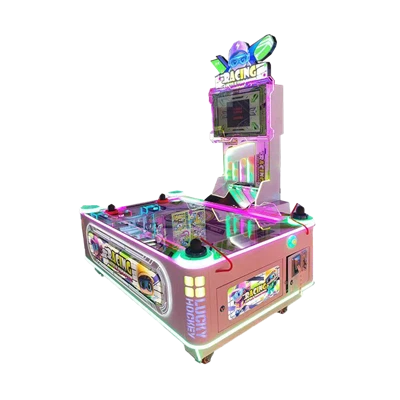
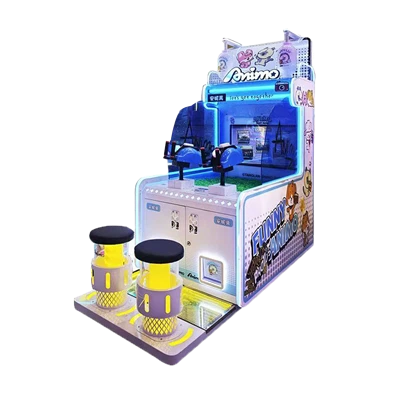
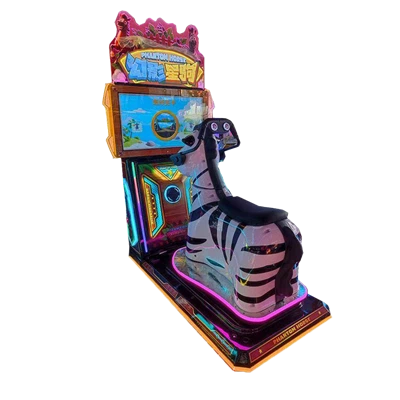
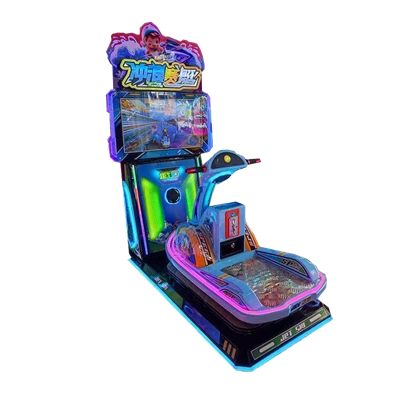
For B2B buyers, the purchase price of a prize machine is not the only factor that determines whether it will make money. Two machines with similar prices can generate very different results after they are placed in an entertainment venue.
The real difference often comes from several factors working together, including player demand, game design, prize selection, machine design, reliability, location, and daily operation. A machine that attracts more players while keeping prize and maintenance costs under control can offer better long-term returns than a machine with a lower upfront price.
For distributors, FECs, and arcade operators, the right question is not simply, "How much does this prize machine cost?" It is also, "Why will players want to play it again, and how much will it cost to keep the machine running?"
What Determines the Profitability of a Prize Machine?

Player Demand Is the Starting Point
A prize machine can only make money if players want to use it. Even when a machine sits in a busy location, weak visual appeal, confusing gameplay, or uninteresting prizes can limit the number of plays it receives.
B2B buyers should start by thinking about their target players and venue. A shopping mall or family entertainment center may need machines that are easy for children and parents to enjoy together. An arcade may prefer games with more challenge and stronger replay value for younger players. Machine size, lighting, gameplay, and prize types should all match the people who visit the location.
This means profitability does not come from the machine alone. It comes from how well the machine matches player demand and the venue.
Revenue Depends on More Than the Machine Price
A lower purchase price does not always mean higher profit. Operators need to look at the complete operating model.
A simple way to estimate gross revenue is:
Daily Plays × Price Per Play = Daily Gross Revenue
But gross revenue is not the same as profit. Operators also need to consider prize costs, rent or venue fees, electricity, labor, maintenance, and replacement parts.
For example, a machine may cost less to buy, but if players do not play it often or the machine needs frequent repairs, its long-term return may be lower than a more expensive machine that attracts more plays and runs reliably.
For B2B buyers, it is better to compare long-term revenue potential and total operating costs instead of looking at the purchase price alone.

How Does Game Design Affect the Number of Plays?
Simple Gameplay Can Encourage More Plays
A prize machine should make it easy for players to understand what to do. When someone sees the machine for the first time, the basic questions should be easy to answer: How does the game work? How do I win? What prize can I get?
This matters in commercial venues because players usually do not want to spend a long time reading complicated instructions. If the gameplay is simple, they can start quickly and decide whether they want to play again after the first attempt.
Manufacturers need to consider the button layout, controls, screen information, lighting, and game steps during the design process. A clear control system can make the machine easier to use and suitable for a wider range of players.
A Good Balance of Challenge and Reward Matters
If a game is too easy, players may win prizes too often, which can increase prize costs. If it is too difficult, players may stop playing after several unsuccessful attempts. The game needs a reasonable balance between challenge and reward.
B2B buyers should ask whether the machine allows operators to adjust game settings when needed. Some prize machines can support changes to game difficulty, prize frequency, or other settings based on operating needs.
This flexibility can be especially useful for distributors serving different markets. Player expectations can vary between countries, venues, and age groups, so adjustable settings can make a machine easier to operate in different locations.
How Does Prize Selection Affect Machine Revenue?

Popular Prizes Can Give Players a Stronger Reason to Play
The game itself is only part of the attraction. The prizes inside the machine can have a direct effect on whether players decide to spend money.
When the prizes match the interests of the target players, the machine has a stronger reason for them to play. Children's venues may use toys, character products, or small collectibles, while machines aimed at younger adults may use trending items, small electronics, or other popular products.
B2B buyers should also look at the machine's prize display area, prize capacity, refill process, and flexibility. A machine that can hold and display different types of prizes gives operators more options when they need to change products based on sales results, seasons, or local demand.
Prize Cost Needs to Match the Game's Revenue Model
Prizes are an ongoing operating cost, so buyers need to consider more than just how attractive a prize looks. The prize cost should also fit the machine's pricing model.
A simple way to look at the model is:
Revenue − Prize Cost − Operating Costs = Estimated Profit
If the prize cost is too high compared with the amount players pay per play, the profit margin can become smaller. On the other hand, prizes that have very little perceived value may give players less reason to keep playing.
The better approach is to match prize costs with the target players, price per play, and expected number of plays instead of simply choosing the most expensive prizes.

How Can Machine Design Affect Long-Term Profitability?
High-Visibility Designs Can Attract More Players
Prize machines often operate in busy public spaces, so the machine itself needs to attract attention. Good lighting, a clear prize display, transparent areas, and an easy-to-understand control panel can help a machine stand out from nearby equipment.
Manufacturers need to balance appearance with practical operation. The prize area should make the rewards easy to see, the control area should be comfortable to use, and the overall machine size should fit the venue.
B2B buyers should look beyond product photos when comparing machines. They should also check the floor space, prize capacity, display area, and placement options. These details can affect how easily players notice and approach the machine.
Reliable Components Help Protect Long-Term Revenue
Profitability also depends on how consistently a machine can operate. A machine that stays available for players has more opportunities to generate revenue.
Frequent problems with sensors, buttons, lights, control systems, or mechanical parts can create repair costs and reduce playing time. This is why the machine structure, component quality, and production quality control can all affect long-term profitability.
When choosing a prize machine manufacturer, B2B buyers should ask about the factory's production process, quality inspections, full-machine testing, and spare parts support.
A reliable machine that is easy to maintain can reduce lost playing time and help operators protect their long-term revenue.
How Do Location and Daily Operation Affect Profit?
High-Traffic Locations Create More Playing Opportunities
Even a well-designed prize machine may perform poorly if it sits in a location where few people pass by.
Location is therefore an important part of the profit model. Shopping malls, FECs, arcades, cinemas, and family entertainment areas all have different traffic patterns. Machines should be placed where players can easily see and reach them.
Operators should also look at actual performance instead of assuming that a machine is simply "not profitable." If a machine receives few plays, the problem may come from its location, nearby machines, prize selection, or target audience.
Moving a machine to a better location or changing the prizes may sometimes improve performance without replacing the equipment.
Regular Maintenance Helps Keep Revenue Consistent
Daily operation also affects profitability. Regular cleaning and checks of sensors, buttons, mechanical parts, wiring, and prize systems can help operators find problems before they cause major downtime.
For operators with multiple machines, maintenance should become part of a regular operating process instead of something that only happens after a machine stops working.
Manufacturers that provide maintenance instructions, common spare parts, and technical support can also help operators reduce repair time.
In the long run, maintenance is not simply an extra cost. It helps protect the machine's ability to generate revenue. The more consistently the machine operates, the more opportunities it has to earn.
What Should B2B Buyers Look for in a Profitable Prize Machine?

Consider Revenue Potential Instead of Only Purchase Price
One of the most common mistakes when buying prize machines is comparing supplier prices and choosing the lowest quote.
A better approach is to compare the purchase price, expected number of plays, price per play, prize cost, maintenance cost, spare parts cost, and expected service life together.
For example, one machine may have a higher purchase price but generate more plays and require fewer repairs. In that case, it may offer a better long-term return than a cheaper machine.
For distributors, this type of evaluation can also help determine which products fit different markets and price levels instead of competing only on low purchase prices.
Ask Manufacturers About Customization and Operating Support
Different markets and venues may have different requirements, so customization can also affect the value of a prize machine.
OEM/ODM buyers should check whether the manufacturer can customize areas such as the cabinet design, colors, logo, language, game settings, lighting, and payment system. For larger orders, buyers should also confirm production time, quality inspection, spare parts supply, and technical support.
A capable prize machine manufacturer should not only build the equipment. It should also provide support for common problems that may appear during long-term operation.
For B2B buyers, this type of support can have a direct effect on operating efficiency and the total cost of owning the machines.

Why Can the Right Prize Machine Deliver Better Long-Term ROI?
Higher Revenue and Lower Operating Costs Work Together
A profitable prize machine does not simply need a high price per play. It needs to encourage enough plays while keeping prize and operating costs under control.
The basic model can be viewed as:
Player Attraction → Number of Plays → Revenue → Prize Cost → Maintenance Cost → Profit
When a machine attracts repeat players and operates reliably, it has a better chance of generating steady revenue. If it also uses durable components and allows easy maintenance, operators can keep long-term operating costs under better control.
This is why B2B buyers should look at the full business model instead of judging a machine by one number.
The Best Machine Depends on Your Business Model
There is no single prize machine that will be the most profitable for every business.
An FEC may care more about family participation and machine durability. An arcade operator may focus more on play frequency and replay value. A distributor may care about market demand, product flexibility, and the manufacturer's ability to provide OEM/ODM services.
The key question is not, "Which prize machine makes the most money?" It is:
"Which prize machine fits my venue, players, and operating model best?"
A machine that matches the right audience and location can have a much better chance of delivering strong long-term results.
Conclusion
Some prize machines are more profitable than others because they create a better balance between player appeal, game design, prize selection, machine reliability, location, and operating costs.
For B2B buyers, the decision should go beyond the initial purchase price. Look at how many plays the machine can attract, whether the prizes fit the target audience, how much it costs to operate, how reliable the equipment is, and whether the manufacturer can provide spare parts and technical support.
A valuable prize machine is not simply a machine that sells well. It is a machine that can keep operating, attract repeat players, and generate revenue over the long term.