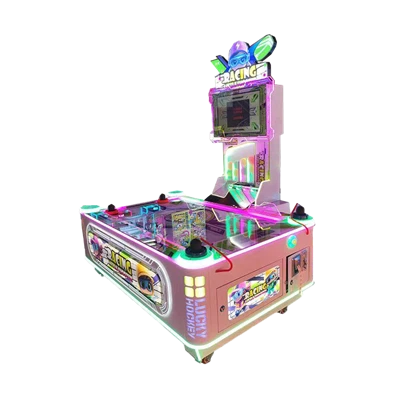
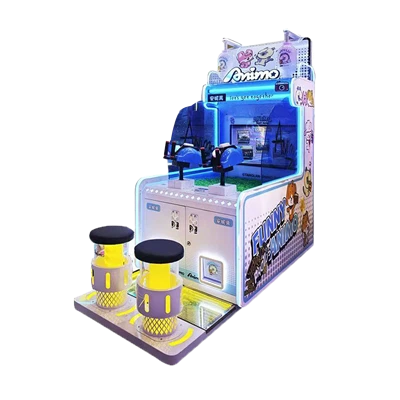
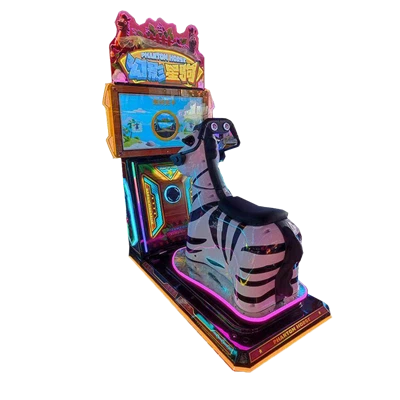
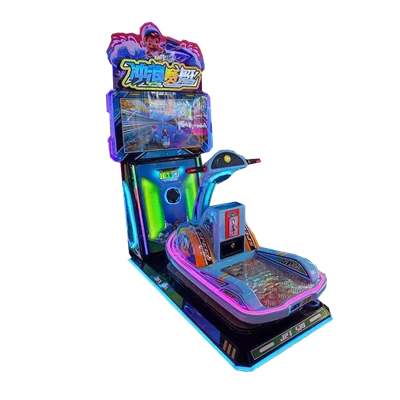
For B2B buyers, finding a company that calls itself a "Prize Machine Manufacturer" does not always mean that it is ready to handle large commercial orders.
A manufacturer that works well with B2B customers needs more than the ability to make machines. It also needs to manage bulk production, quality control, customization, delivery, spare parts, and after-sales support.
This matters to distributors, wholesalers, arcade operators, FECs, and brand owners.
If a buyer only looks at product photos, unit prices, or a "factory" label on a website, it can be difficult to understand the company's real B2B capabilities.
Before placing an order, buyers should ask a more useful question:
Can this manufacturer consistently produce the machines I need and support my business after delivery?
Does the Manufacturer Have Real Production Capacity?

A Real Factory Should Be Able to Explain Its Production Process
A manufacturer with real production capabilities should be able to clearly explain how its machines are made.
This may include material sourcing, component processing, assembly, wiring, testing, and packaging. Buyers should be able to understand which parts of the process are handled by the factory.
B2B buyers can ask where the machines are produced, what the main production steps are, and which processes are completed in-house.
If a company can only provide product photos but cannot clearly explain how the machines are produced, it can be harder for buyers to understand whether they are dealing directly with a manufacturer or a trading company.

Production Capacity Should Match the Order Size
One major difference between B2B and retail orders is quantity.
A customer may need dozens or even hundreds of machines in one order. The manufacturer needs enough production space, equipment, workers, and planning to complete the order on time.
Buyers can ask about monthly production capacity, standard lead times, and whether large orders need to be scheduled in advance.
The goal is not simply to find a factory with the biggest production number. The important point is whether its production capacity matches the buyer's actual order needs.

The Manufacturer Should Be Able to Handle Repeat Orders
B2B customers often purchase more than once.
A distributor may need regular restocking. An arcade operator may add more machines later. A brand owner may increase the order after testing a product in the market.
For this reason, buyers should consider whether the manufacturer can keep the same or similar product specifications for future orders.
If every repeat order requires many details to be confirmed again, or if the product configuration changes often, inventory management and after-sales service can become more difficult.
Can the Manufacturer Keep Quality Consistent Across Bulk Orders?
Quality Control Should Cover More Than the Final Inspection
Quality control for a bulk order should not depend only on the final inspection.
Materials, components, assembly, wiring, machine testing, and packaging can all affect the final product.
B2B buyers can ask at which stages the manufacturer checks quality and how it keeps the machines consistent during mass production.
This gives buyers more useful information than simply hearing that a factory has "strict quality control."
Bulk Orders Need Consistent Specifications
When a buyer orders dozens or hundreds of machines, the basic specifications should remain consistent across the order.
For example, the control system, main electronic components, mechanical parts, machine dimensions, and game settings should follow the approved specifications.
This is especially important for distributors. Large differences between production batches can make inventory management and customer support more difficult.
Pre-Shipment Testing Should Be Clearly Defined
Buyers should also understand how the machines are tested before shipment.
Depending on the model, testing may include buttons, screens, lights, sensors, mechanical movement, payment systems, and control functions.
For bulk orders, buyers can also ask whether every machine is tested or whether the factory uses batch sampling.
Knowing this process before placing an order can give buyers a clearer view of the manufacturer's quality control system.
Can the Manufacturer Handle OEM and ODM Requirements?

B2B Buyers Often Need More Than a Standard Machine
B2B customers often have requirements that go beyond a standard product.
A distributor may need a custom logo. A brand owner may want a different cabinet design. An arcade operator may need a specific payment system or game setting.
A manufacturer that works with B2B customers should be able to explain which parts can be customized and which parts are standard.

Customization Should Be Supported by an Engineering Team
Changing a logo is simple compared with changing the machine size, internal structure, control system, or game functions.
More complex changes may require engineering work, sample production, testing, and adjustments before mass production.
Buyers can ask whether the manufacturer has an in-house engineering or R&D team and what steps are normally used for a custom project.
A clear customization process can help reduce misunderstandings during OEM and ODM projects.

Samples Should Be Used to Confirm Important Changes
For larger custom orders, sample approval can be an important step.
Before mass production, buyers can check the machine's appearance, logo, functions, colors, dimensions, and key components.
This gives both sides a chance to find and correct problems before the full order is produced.
For a large B2B order, confirming the important details at the sample stage can reduce the risk of costly changes later.
How Does the Manufacturer Handle Large B2B Orders?
Production Planning Matters for Bulk Orders
Large orders require clear production planning.
The manufacturer needs to arrange materials, production schedules, assembly, testing, and packaging. If the customer has a fixed delivery date, production resources may need to be planned in advance.
Buyers can ask about the expected production time, when production will begin after order confirmation, and how production delays are communicated.
These questions can help buyers understand whether the factory has a clear process for managing B2B orders.
Packaging Should Be Designed for International Shipping
For export orders, packaging is also an important part of production.
Prize machines are often large, and some models include glass, screens, or other parts that need extra protection.
Manufacturers should use packaging that is suitable for long-distance transportation and should consider how the machines will be loaded and protected during shipping.
Buyers can confirm the export packaging standard and ask how the machines are protected during transportation.
The Manufacturer Should Be Able to Manage Documentation
International B2B orders can also involve commercial invoices, packing lists, product information, shipping labels, and other documents.
If the buyer has special labeling or packaging requirements, these should be confirmed with the manufacturer before production.
A complete B2B production process is not only about making the machine. It also needs to cover how the finished product will be prepared and delivered to the overseas customer.
Does the Manufacturer Have a Clear After-Sales System?
Spare Parts Should Be Available After Delivery
A commercial prize machine is not a one-time-use product.
After long-term operation, buttons, motors, sensors, power supplies, and other components may need to be replaced.
B2B buyers should ask what spare parts are commonly needed, how they can be ordered, and whether the manufacturer can continue supplying them.
For distributors, this is also important because they may need to provide replacement parts or support to their own customers.
Technical Support Should Have a Clear Process
When a machine has a problem, customers need to know who to contact.
A manufacturer should have a clear technical support process. This may include email support, photos, videos, repair instructions, or remote guidance.
If technical problems have to pass through several middlemen, it may take longer to identify and solve the problem.
Buyers should therefore confirm the main after-sales contact and technical support method before placing an order.
Warranty Terms Should Be Clearly Explained
Warranty terms should also be clear before the order is confirmed.
Buyers need to know which parts are covered, how long the warranty lasts, and what happens if a quality problem occurs.
Do not rely only on a simple statement such as "Warranty Available." Ask for the actual warranty terms and understand how claims are handled.
Can the Manufacturer Support Long-Term B2B Relationships?

Product Consistency Matters for Repeat Orders
If a buyer plans to order the same model again, product consistency becomes important.
Changes in machine dimensions, control systems, main components, or functions can affect inventory management and future repairs.
Buyers can ask whether the manufacturer keeps product specifications and customization records so future orders can follow the same requirements.

Stable Communication Is Important for Overseas Buyers
International B2B projects often involve communication over a long period.
The buyer may have questions about quotations, samples, production, shipping, and after-sales service at different stages.
A stable contact person and clear communication process can make this easier.
Buyers can pay attention to how the manufacturer handles technical questions, production updates, and order details, not just how quickly it responds to the first inquiry.

A B2B Manufacturer Should Understand the Buyer's Business
Long-term B2B cooperation involves more than simply selling machines.
A distributor may care about product consistency, pricing, restocking, and customer support. An FEC operator may focus more on durability, maintenance, and daily operation. A brand owner may have stronger requirements for OEM and ODM services.
A manufacturer that understands these different needs can provide more suitable products and services for each type of customer.
What Should B2B Buyers Check Before Placing an Order?
Ask for Factory and Production Information
Buyers can ask the manufacturer for information that helps show its production capabilities.
This may include:
Factory location
Production area
Production equipment
Main production processes
Quality control process
Monthly production capacity
This information can help buyers understand the factory beyond the product photos shown on a website.
Compare More Than the Unit Price
B2B buyers should not compare suppliers based only on unit price.
MOQ, production time, product specifications, customization, packaging, warranty, spare parts, and technical support should also be considered.
A lower-priced machine may not have the same configuration or service package as another machine with a higher price.
For this reason, buyers should compare quotations based on the same or similar specifications and service terms.
Check Whether the Manufacturer Can Support Your Next Order
Finally, buyers should think about what happens after the first order.
If the first order goes well, how quickly can the next order be produced? Can the manufacturer keep the same product specifications? Will common spare parts still be available? Can the manufacturer keep the customization records for future orders?
These questions can help buyers understand whether a manufacturer is suitable for an ongoing B2B relationship rather than just a single purchase.
Conclusion
Finding a prize machine manufacturer for B2B orders involves more than checking whether a company uses the words "Manufacturer" or "Factory" on its website.
Buyers should look at its ability to provide:
Production Capacity + Quality Control + Customization + Bulk Order Management + International Shipping + Spare Parts + After-Sales Support
For distributors, wholesalers, FEC operators, and brand owners, these areas can provide a clearer picture of how well a manufacturer can support a commercial order.
Before placing an order, buyers should check production capacity, bulk-order quality control, customization capabilities, delivery processes, spare parts, and after-sales service.
The key question is:
Can this manufacturer consistently produce, deliver, and support the machines my business needs?
Looking at these areas can help B2B buyers make a more informed choice and build a clearer understanding of what they can expect from a prize machine manufacturer over the course of the business relationship.