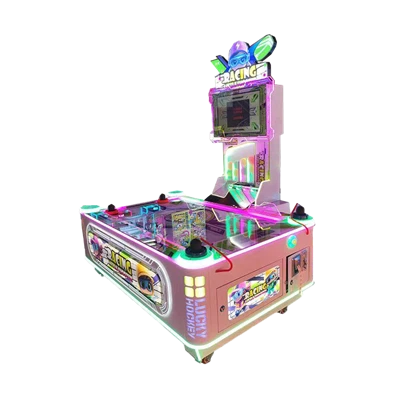
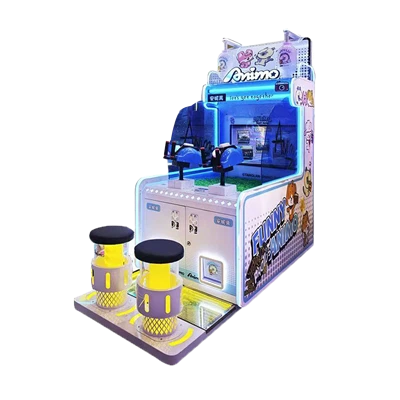
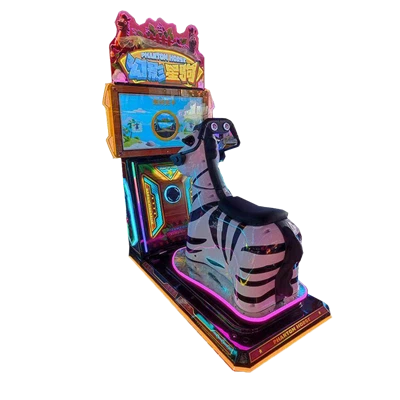
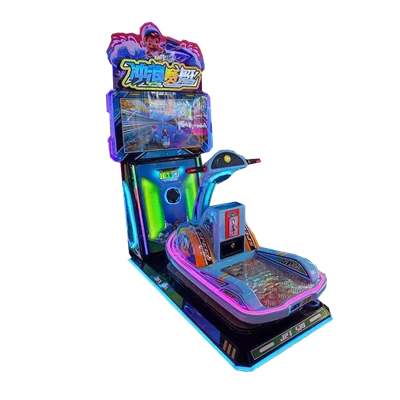
Different arcade locations have different needs for prize machines.
A prize machine designed for a large FEC may not be the right choice for a small retail store. A machine built for a busy arcade may also need different features from one placed in a shopping mall or a small entertainment area.
Floor space, player traffic, operating hours, target players, and maintenance needs can all affect how a prize machine should be designed.
For B2B buyers, understanding these differences can make it easier to choose equipment that fits the actual location instead of selecting a machine based only on its appearance or price.
Why Does the Arcade Location Matter When Designing a Prize Machine?

Different Venues Have Different Player Traffic
The amount of player traffic can vary greatly between different venues.
Large FECs, arcades, and game centers may have many players using the machines every day. A prize machine in this environment may need to run for long hours and handle frequent use. Manufacturers therefore need to pay closer attention to the machine structure, key components, cooling, and ease of maintenance.
A smaller retail store or local entertainment space may have lower traffic and different operating needs.
The machine configuration should match the expected level of use instead of using exactly the same setup for every location.

Available Floor Space Affects Machine Size
Floor space is another important factor in prize machine design.
Large arcades usually have more room for bigger equipment and can use several machines to create a complete game area.
Shopping malls, convenience stores, and small retail locations often have much less space. These venues may care more about the machine's width, depth, placement, and player access area.
Manufacturers can adjust the cabinet size and internal layout when a project requires a more compact design.

The Location Can Affect the Machine's Appearance
The appearance of a prize machine should also fit the location.
An FEC designed for children and families may use bright colors, lighting, and easy-to-understand visual elements. A shopping mall or branded retail space may have different requirements and may prefer a cleaner design that matches the surrounding environment.
For brand owners, the logo, colors, lighting, and cabinet graphics may also be part of the customization.
How Are Prize Machines Designed for High-Traffic Arcades?
Durability Becomes a Major Design Consideration
A prize machine in a busy arcade may be used many times each day.
Players may repeatedly insert payment, press buttons, operate mechanical parts, and collect prizes. Manufacturers therefore need to consider whether the buttons, motors, sensors, control system, and cabinet structure are suitable for frequent use.
This does not mean every machine needs the most expensive components. The goal is to match the main components with the expected operating level.
B2B buyers can ask which parts receive the most use and whether those parts can be replaced easily when maintenance is needed.
Easy Maintenance Can Reduce Downtime
Busy locations need machines that are easy to maintain.
Staff may need to refill prizes, check the machine, or deal with simple problems during daily operation. If the internal structure is easy to access and common parts are easy to replace, maintenance can take less time.
Manufacturers can consider service doors, component placement, wiring layout, and access to common replacement parts during the design stage.
For operators managing many machines, these details can be more useful than adding extra features that do not improve daily operation.
Payment Systems Need to Match the Venue
Large arcades may use different payment systems from other types of venues.
Some locations use coins or tokens, while others use bills, cards, or cashless payment systems.
Manufacturers need to match the payment setup with the customer's market and existing arcade system.
For bulk orders, buyers should confirm whether the machine supports their current payment system and whether any extra hardware or interface is required.
How Do Manufacturers Adapt Prize Machines for FECs?

Family-Friendly Design Can Be Important
FECs often serve children, teenagers, and families, so the machine should be easy to understand and operate.
Manufacturers can use colors, lights, screens, and simple instructions to make the game easier for players to understand.
For B2B buyers, the goal should not be to choose a machine simply because it looks attractive. The design should also match the age group and playing habits of the target customers.

Prize Capacity Can Affect Daily Operations
FECs can have high player traffic, so prize capacity can affect daily work.
If a machine needs to be refilled often, staff will need to spend more time managing it.
Manufacturers can design different prize storage areas based on the machine size and target venue. A larger prize capacity may be useful in a busy location, as long as it does not make the machine difficult to maintain or refill.
The design needs to balance storage space, prize visibility, and ease of restocking.

Visual Design Can Help Machines Stand Out
An FEC may have many entertainment machines operating in the same area, so visual design can help a prize machine get noticed.
Lighting, screens, colors, and themed cabinet designs can make the machine easier for players to recognize.
For B2B buyers with a specific venue theme or brand style, custom colors, logos, and cabinet graphics can also help the machine fit into the overall environment.
How Are Prize Machines Designed for Shopping Malls and Retail Stores?
Compact Designs Can Save Valuable Floor Space
Shopping malls and retail stores often need to use their available space carefully.
A large machine can affect walkways, shelves, and other parts of the store. Manufacturers may therefore offer compact models or adjust the cabinet width, depth, and player access area for smaller locations.
Buyers should also measure the actual installation area before ordering. The space needed for players to stand and operate the machine should be included, not just the cabinet dimensions.
The Machine Should Fit the Store Environment
A retail environment can have different visual requirements from a traditional arcade.
For example, a machine in a shopping mall may need to fit with the surrounding stores and interior design rather than using a very complex appearance.
For branded stores or retail chains, the machine's colors, logo, and visual style may also need to follow the company's brand guidelines.
These requirements can often be handled through OEM or appearance customization.
Simple Operation Can Help Staff Manage the Machine
Retail employees may not have the same experience with arcade equipment as professional arcade operators.
A machine that is easy to refill, check, and manage can make daily operation easier for store staff.
Manufacturers can consider simple control panels, easy-access prize areas, and clear maintenance points during the design process.
How Do Manufacturers Design Prize Machines for Smaller Venues?
Smaller Machines Can Fit More Locations
Small convenience stores, restaurants, local entertainment spaces, and other venues with limited floor space may need compact equipment.
A mini or compact prize machine can allow operators to add an entertainment product without using a large amount of floor space.
For these buyers, transportation, installation, and the ability to move the machine may also be important factors.
Lower Capacity Does Not Always Mean Lower Value
A smaller machine may have less prize capacity or fewer features than a larger model, but that does not mean it has less value for every location.
When space is limited, a compact design may be more useful than adding features that the venue does not need.
Manufacturers need to balance machine size, functions, prize capacity, and cost based on the actual location.
Easy Setup Can Be Important for Small Operators
Small operators may not have a dedicated technical or maintenance team.
For this reason, simple installation, easy settings, and remote technical support can be useful.
For these buyers, a machine that is easy to operate and maintain may be more practical than a machine with many advanced features that are rarely used.
What Can Manufacturers Customize for Different Locations?

Machine Size and Cabinet Design
If a standard machine does not fit a specific location, the manufacturer can evaluate whether the size or cabinet structure can be adjusted.
For example, a buyer may need a narrower machine for a shopping mall or a larger display area to make the prizes easier to see.
However, changing the machine size can also affect the internal structure, packaging, and shipping. Buyers should therefore confirm size requirements early in the project.

Payment Systems and Game Settings
Different countries and venues may use different payment systems.
Manufacturers can configure the machine for the required payment method and may also adjust settings such as play price, game time, and prize settings.
For overseas B2B orders, these details should be confirmed before mass production. This can reduce the need for changes after the machines arrive at the destination.

Branding and Visual Elements
Brand owners may also customize logos, colors, lighting, stickers, screen content, and other visual elements.
If machines will be placed in a chain of stores, branded entertainment centers, or a themed area, these changes can help create a more consistent look.
For bulk orders, buyers can provide their brand guidelines early so the manufacturer can confirm the design during the sample stage.
What Should B2B Buyers Check When Choosing a Prize Machine for a Venue?
Match the Machine With Expected Traffic
The first step is to estimate how many people will use the machine each day.
High-traffic locations should pay more attention to durability, key components, and ease of maintenance. Lower-traffic locations may place more focus on price, size, and basic functions.
The machine configuration should match the expected level of use instead of simply choosing the highest specification available.
Check Maintenance and Spare Parts Support
Every prize machine needs maintenance over time, no matter where it is installed.
Buyers should ask what spare parts are commonly needed, how they can be ordered, whether the manufacturer can continue supplying them, and whether remote technical support is available.
This is especially important for overseas buyers. Getting the right spare parts and repair instructions quickly can help reduce unnecessary downtime.
Consider Total Cost, Not Just Machine Price
The purchase price should not be the only factor when choosing a prize machine.
Machine size, configuration, durability, maintenance needs, spare parts, and after-sales support can all affect long-term operating costs.
A machine with a lower purchase price may not be the lower-cost option if it requires frequent repairs or is difficult to maintain.
B2B buyers should therefore evaluate the machine based on the needs of the actual venue and its expected operating conditions.
Conclusion
Prize machines are not one-size-fits-all products.
Large arcades may need machines designed for frequent use and easy maintenance. FECs may focus more on family-friendly design, visual appeal, and prize capacity. Shopping malls and retail stores may care more about machine size, appearance, and efficient use of floor space. Smaller venues may need compact machines that are easy to install and maintain.
For B2B buyers, the key question is not simply "Which prize machine is the best?"
A more useful question is:
"Is this machine right for my location, players, and operating model?"
An experienced prize machine manufacturer should be able to adjust the machine based on the project, including its size, structure, functions, payment system, appearance, durability, and maintenance needs.
That is why when buying commercial prize machines, it is important to look not only at the machine itself, but also at the manufacturer's design and customization capabilities.