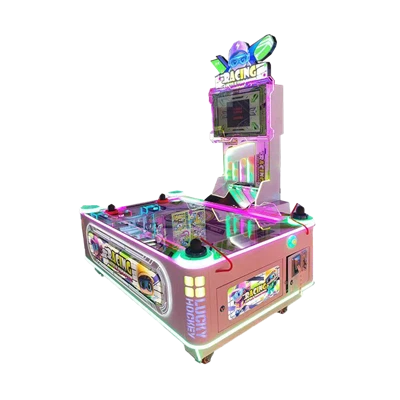
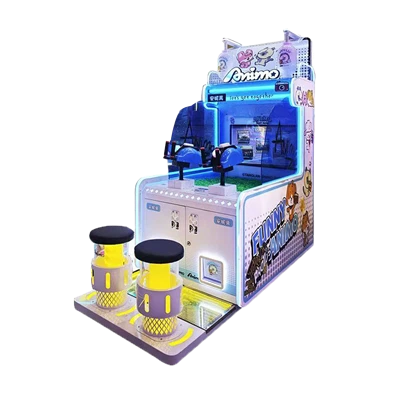
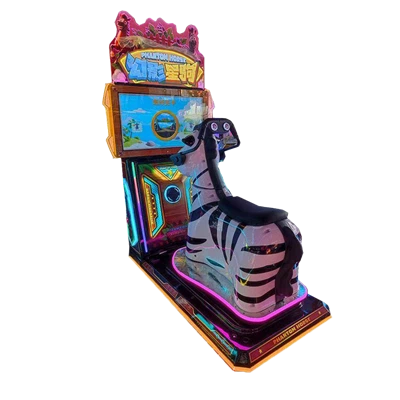
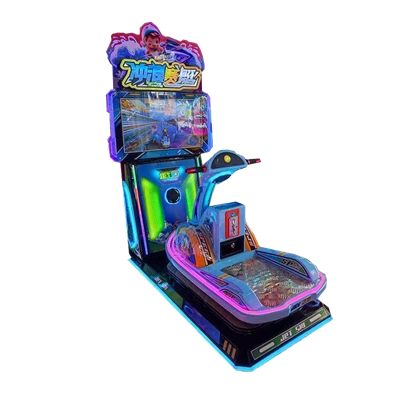
When buying gift machines, many operators focus on gameplay, appearance, or unit price, but overlook how machine size affects real business results. In practice, size is not only about space usage. It directly impacts prize capacity, refill frequency, player experience, and revenue per square meter. If the size is chosen poorly, even a well-built machine may struggle to perform over time. Understanding how gift machine size connects to daily operation is a key step before making a purchase decision.
The Basic Logic Behind Gift Machine Size
External Size and Usable Internal Space Are Not the Same
Gift machines are usually described by height, width, and depth, but for operators, usable internal space matters more than outside dimensions. Two machines with similar external size can have very different internal layouts. Some designs focus too much on appearance and reduce internal space, which limits prize storage and makes internal structures crowded. These machines may look good at first, but in real operation they often require more frequent refills and are harder to maintain, which increases long-term operating cost.
How Size Directly Affects Prize Capacity
Capacity Determines Refill Frequency and Labor Cost
Larger machines usually hold more prizes, especially for claw machines and display-style gift machines. When capacity is too small, the issue is not only limited storage, but lost revenue during peak hours. If a machine often runs low on prizes during busy periods, it is a clear sign that size is limiting income. Frequent refilling increases labor cost and can reduce valid play time if refills are delayed. Over time, this directly lowers the revenue ceiling of a single machine.

The Relationship Between Size and Player Experience
Space Perception Influences Play Time and Repeat Attempts
From a player's point of view, machine size affects how playable the game feels. Small machines with tight internal space often make prizes look crowded and hard to reach, which can reduce confidence and willingness to try again. Machines with reasonable size and clear internal layout help players judge targets more easily and feel that success is possible. Even if payout settings are similar, size can strongly affect how fair and enjoyable the machine feels, which impacts how many times players insert coins.

Balancing Machine Size and Floor Space Efficiency
Bigger Is Not Always Better
Large machines offer strong visual impact and high capacity, but they are not always the best choice for every venue. If a machine takes up too much space and blocks player movement or walkways, overall floor efficiency may drop. A practical rule is that once a machine starts to interrupt natural foot traffic, it may already be reducing total revenue. In many commercial locations, medium-sized gift machines often deliver better long-term results because they balance capacity, experience, and space use.
How Size Indirectly Affects Machine Stability
Internal Space Influences Part Wear and Maintenance

Smaller machines with very compact internal structures often face faster part wear during long-term operation. Tight space combined with high play frequency is a common cause of mechanical issues, but these problems usually appear only after months of use. Limited airflow, increased friction, and difficult access for repairs can raise maintenance cost over time. Machines with more reasonable internal space are easier to service and tend to stay stable in high-usage commercial environments.
Typical Use Scenarios for Different Machine Sizes
Matching Size With Traffic and Operation Style
Small gift machines are suitable for locations with limited space or scattered traffic, such as convenience stores or small entertainment areas. Medium-sized machines are the most common choice for arcades and entertainment centers, offering a good balance of capacity and performance. Large machines work best in key display areas where visibility and high play volume are expected. The right choice depends on how well the machine size matches the venue's traffic pattern and operating rhythm.
Long-Term Revenue Impact of Size Selection
Wrong Size Limits Revenue Growth
If a machine is too small, both capacity and experience become bottlenecks. Even when customer traffic increases, revenue may not grow at the same pace. Machines with well-matched size can handle higher play volume without constant adjustment. This revenue flexibility often becomes clear only after long-term operation, but it is already determined at the buying stage.

How to Evaluate Size During the Buying Process
Think in Terms of Operation, Not Just Specifications
During purchasing, size should be evaluated based on expected traffic, refill cycles, maintenance needs, and floor layout, not just specification sheets. A suitable size allows stable operation without frequent intervention. When size supports daily operating rhythm, the machine becomes a reliable income tool instead of a management burden.
Conclusion: Size Is Part of the Revenue Model
Ignoring Size Means Ignoring Results
Gift machine size is not a minor detail. It directly affects capacity, player experience, maintenance effort, and space efficiency, all of which influence revenue. For buyers and operators, treating size as part of the operating strategy, rather than a simple space decision, leads to smarter purchases and more stable long-term returns.