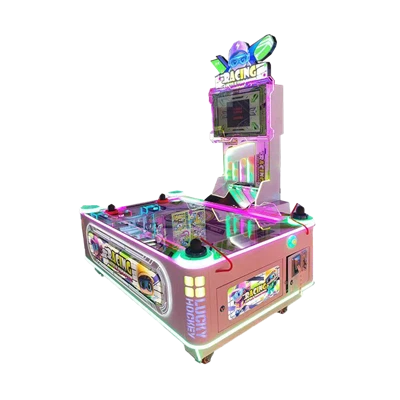
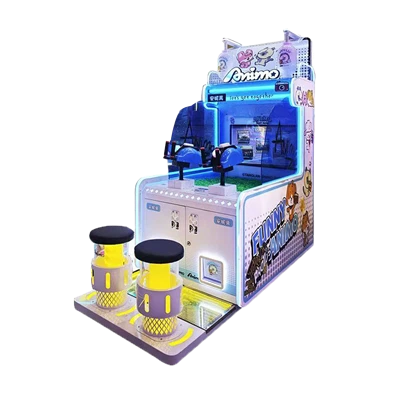
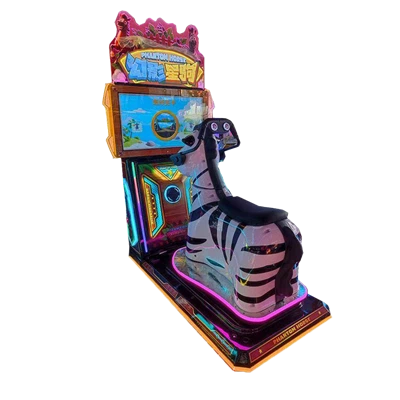
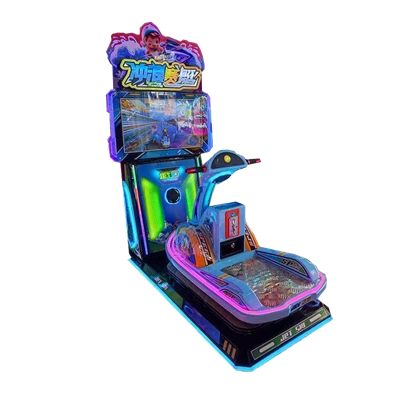
When buying gift machines, many buyers focus on the machine price and appearance, but often overlook parts replacement. In real operations, long-term profit is not decided by how the machine looks on day one, but by how easy it is to maintain over time. Machines with poor parts design often suffer from frequent downtime, slow repairs, and hard-to-find spare parts. Understanding parts replacement before purchasing can help buyers avoid these problems and protect long-term revenue.
Why Parts Replacement Should Be Considered at the Buying Stage
Long-term operating costs usually come from small parts, not the whole machine
In real-world operations, gift machines rarely stop working because the entire unit fails. More often, a single part causes the machine to stop running, such as unstable grabbing strength, payout errors, or coin issues. These parts are usually not expensive, but if they are hard to replace or only available from the original factory, downtime becomes much longer. For operators, lost operating time often costs more than the repair itself, which is why parts replacement should be evaluated before purchase, not after problems appear.
Key Gift Machine Parts That Most Often Need Replacement

Grabbing mechanisms and moving components
For claw and prize machines, the grabbing system is one of the most heavily used parts. Wires, claws, motors, and pulleys naturally wear down over time. The real risk is not whether these parts will wear out, but whether they use standard specifications. If the grabbing system is highly customized, operators may not be able to replace individual worn parts and may need to change the entire assembly or send the unit back to the factory. Machines designed for business use usually support modular replacement, which buyers can identify during the purchasing stage.

Coin systems and payment-related components
Coin acceptors, card readers, and payment modules are used frequently and are exposed to dust and foreign objects. The key issue here is not how advanced the payment system looks, but whether it supports common, standard models. If a machine uses a closed or custom payment system, even a small failure may require waiting for factory parts, causing long downtime. For operators, standard payment components offer more flexibility and faster repairs.

Control boards and sensor components
Control boards and sensors manage the machine's logic and payout decisions. When these components fail, the machine may stop operating entirely. Although they do not fail as often as mechanical parts, replacement becomes difficult if the control system is highly customized. Buyers should confirm whether control boards have clear replacement options and whether the supplier can provide long-term technical support, not just a basic warranty.
Why Parts Compatibility Matters for Long-Term Operation
Compatibility directly affects multi-machine maintenance efficiency
For a single machine, limited parts compatibility may not seem like a big issue. However, once operators manage multiple machines or locations, the problem becomes clear. Different parts specifications increase spare inventory needs and slow down repairs. Experienced operators often prefer machines with a high level of parts compatibility, which makes maintenance faster and more predictable across all locations.
Replacement Difficulty Often Matters More Than Parts Price
Machine structure determines real maintenance cost
Some gift machines use low-cost parts, but their internal design makes replacement time-consuming. Changing a small part may require removing several components or recalibrating the machine. In these cases, the real cost is not the part itself, but the labor time and machine downtime. Buyers should pay attention to whether key parts are easy to access, as good internal design greatly reduces long-term operating costs.

The Supplier's Role in Parts Support
Long-term spare parts availability matters
Reliable suppliers can clearly explain which parts are considered wear items, their expected replacement cycle, and spare parts availability. If a supplier cannot answer these questions clearly, it may indicate limited experience with long-term operations. This risk should be considered carefully during the buying process.
How Buyers Can Reduce Parts Replacement Risks
Make decisions from an operator's perspective
Instead of focusing only on machine specifications, buyers should ask practical questions during purchasing. These include which parts wear out most often, whether parts can be replaced individually, and how long spare parts delivery takes. These details often reveal whether a machine is truly designed for long-term business use.

Conclusion: Parts Replacement Determines Long-Term Value
Easy maintenance supports stable profits
The real business value of a gift machine depends not only on gameplay or appearance, but also on how easy it is to maintain. Machines that are easy to repair and quick to return to operation provide more stable income over time. For buyers, considering parts replacement at the purchasing stage is one of the most effective ways to protect long-term returns.