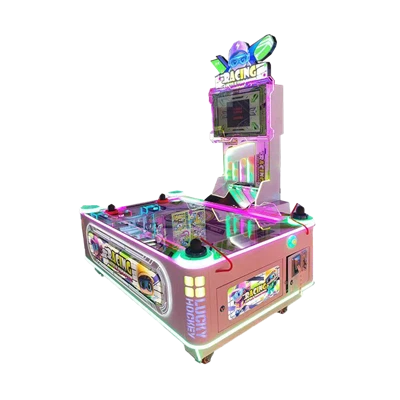
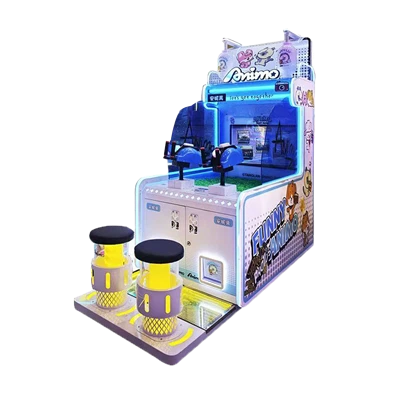
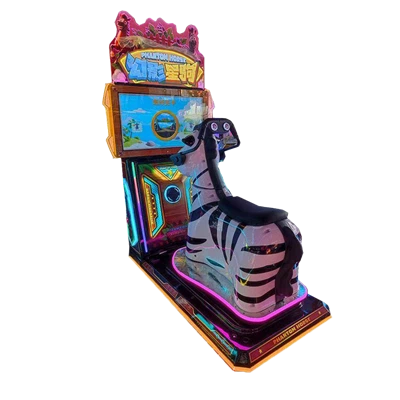
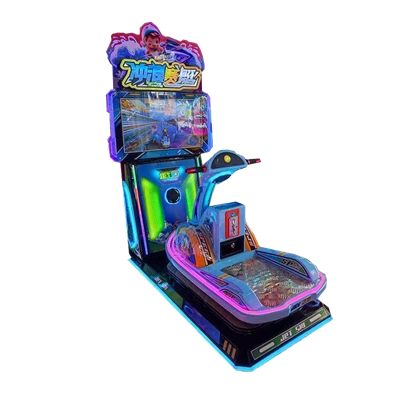
In arcades, shopping malls, and retail spaces, gift machines are often seen as secondary equipment. However, in long-term operation, they usually play an important role in providing steady income, increasing customer stay time, and supporting overall cash flow. Many buyers know that gift machines give out prizes, but they do not fully understand how these machines work, where they perform best, or why some machines stay profitable for years while others cause frequent problems. Understanding what gift machines are and how they operate is the first step to deciding whether they are suitable for business use.
What Are Gift Machines?
Basic Definition and Common Types of Gift Machines
Gift machines are amusement machines that reward players with physical prizes. Players insert coins or use electronic payment to play, and if certain conditions are met, they receive a prize. Common types include claw machines, cut-the-string machines, coin pusher gift machines, and other prize-based machines with controlled payout systems. Unlike video games, the main attraction of gift machines is that players can see and take home a real prize, which is why these machines are widely used in both entertainment and retail environments.
How Gift Machines Differ from Traditional Arcade Games
Traditional arcade games focus on scores, levels, or competition, while gift machines focus on results. Players decide whether to keep playing based on how clear the winning chance feels, how attractive the prizes are, and how responsive the controls feel. Because of this, gift machines are closer to controlled payout devices than skill-based games. From a business point of view, this makes their performance more predictable when properly managed.
How Gift Machines Work: Core Operating Principles

System Activation After Coin or Payment
When a player inserts coins or completes a payment, the control system starts a preset process. This includes payment confirmation, payout logic calculation, and preparation of the mechanical system. For operators, this step is not just the start of a game, but the starting point of cost control. Payout rates, win conditions, and failure settings are usually adjusted in advance. These settings are not designed to make every play fair, but to control long-term prize costs and keep revenue stable under different usage levels.

Coordination Between Mechanical Parts and Payout Control
In mechanical gift machines such as claw machines, motors, claws, rails, and sensors work together. The control system manages grip strength, timing, and movement speed to influence success rates. This is why machines that look similar on the outside can feel very different during play. For business operators, stable performance is often more important than making the game feel exciting for a short time.

Prize Drop Detection and Result Confirmation
Gift machines do not decide the result only at the end of a game. Sensors monitor the process and confirm whether the prize passes through the prize outlet correctly. Each successful drop is recorded as a completed payout. This system helps prevent errors such as stuck prizes or false wins. For buyers, this part of the design is critical because poor detection systems often lead to disputes and maintenance issues.
How Gift Machines Are Used in Arcades
A Stable Source of Supplementary Revenue
In arcades, gift machines are usually not the main source of income. Instead, they provide steady revenue through frequent, low-cost plays. Compared with large arcade games, gift machines take up less space and are easier to maintain. They are often placed near walkways or non-core areas to improve overall floor efficiency.
Increasing Player Stay Time and Repeat Play
The visible prizes and near-win experience encourage players to try again. Gift machines keep players engaged while waiting or moving between game zones, helping extend total visit time and increasing the chance of repeat spending.
How Gift Machines Are Used in Retail Spaces
Attracting Foot Traffic and Creating Interaction
In shopping malls and retail locations, gift machines are mainly used to attract attention and encourage interaction. Appearance, noise level, and prize matching are more important here than maximum payout speed. Well-placed machines can attract families and younger customers to stop and engage.
Supporting Retail Sales and Promotions
Some retail locations use gift machines as part of sales promotions, linking plays to purchases or reward points. In these cases, payout consistency and machine stability directly affect the brand image, not just machine income.
Why Understanding How Gift Machines Work Matters for Buyers

Better Machine Selection Based on Real Needs
Many purchasing mistakes happen not because the machines are low quality, but because buyers focus too much on appearance or basic specifications. Without understanding payout logic and machine behavior, it is easy to choose machines that do not match the location or business goal. Knowing how gift machines work helps buyers see which features matter and which ones are mainly for marketing.

Reducing Problems During Daily Operation
Operators who understand machine logic tend to have more realistic expectations. They are better prepared for normal payout variation and maintenance needs. This understanding helps reduce conflicts, customer complaints, and operational stress over time.
Conclusion: Understanding the System Helps You Use Gift Machines Better
Gift Machines Are Business Tools, Not Just Games
The real value of a gift machine is not simply whether it gives out prizes, but whether it can run steadily, attract players, and control costs in a specific environment. For buyers and operators, understanding how gift machines work is the key step in turning equipment into a long-term business tool.