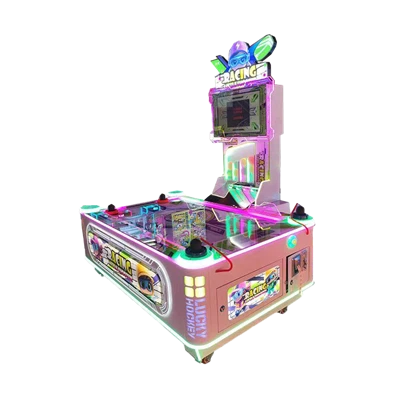
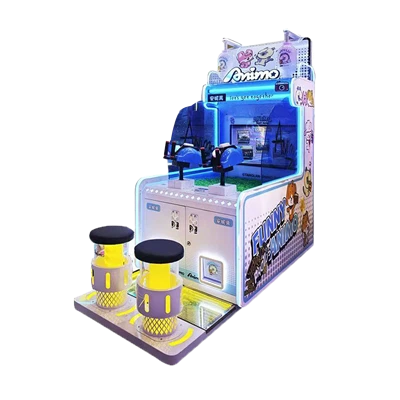
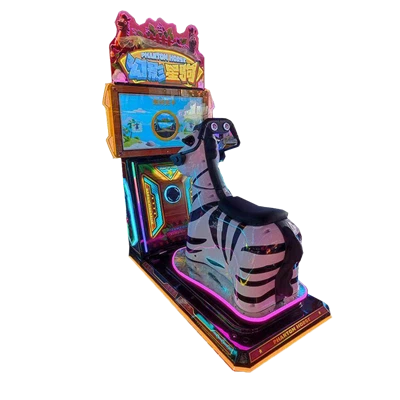
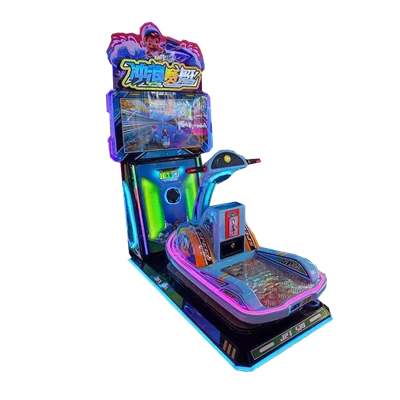
For wholesalers, importers, brand owners, and arcade operators, custom features can help prize machines better match market needs, venue requirements, and brand identity. For example, buyers may want special lighting effects, different payment methods, new game modes, interactive features, or custom branding. These changes can make machines more suitable for certain customers and give buyers more options when selling or operating them.
However, adding custom features does not always lead to a better machine. Poorly planned changes may make the hardware and software more complex, affect machine stability, and make future repairs or part replacements more difficult. For commercial prize machines that need to operate for a long time or be produced in large quantities, reliable performance, easy maintenance, and consistent production are just as important as having more features.
So, how can B2B buyers balance custom features with reliable prize machine performance? The key is to define real business needs, understand how each feature may affect the machine, choose suitable hardware and software, and complete proper testing before mass production.
Start With the Business Purpose of Each Custom Feature
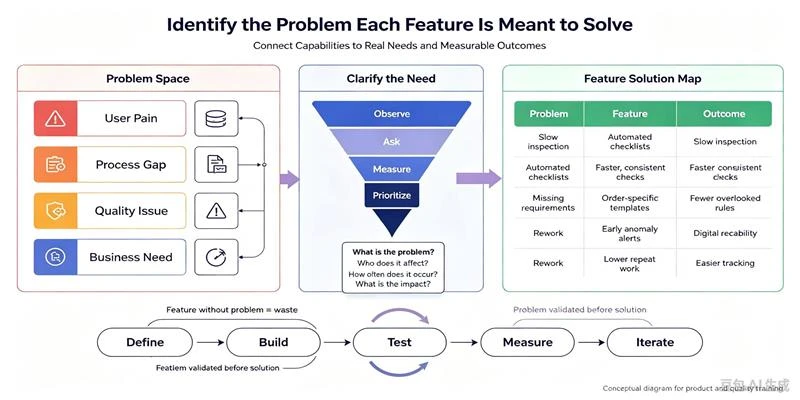
Identify the Problem Each Feature Is Meant to Solve
Before requesting custom features, buyers should understand what each feature is expected to do. For example, adding contactless payment may help meet local payment habits. Changing game modes may make the machine more suitable for different venues, while custom lighting and interactive effects may help attract attention in certain locations. When the purpose of a feature is clear, it becomes easier to decide whether the change is worth making.
Buyers should evaluate each feature based on their target market, venue type, and customer needs instead of simply asking for more options. Wholesalers and importers should also consider whether a feature will be useful to most of their customers. If a feature only suits a small number of special projects but adds production and after-sales complexity, it may not be a good choice for a standard product line.
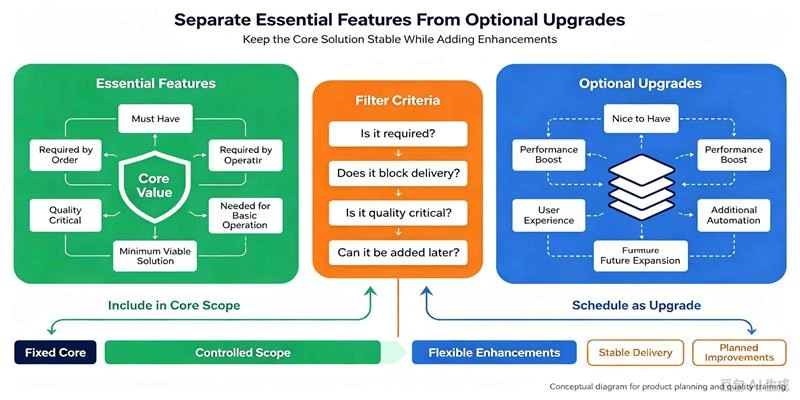
Separate Essential Features From Optional Upgrades
Not every custom feature needs to become part of the machine's standard configuration. Buyers can divide their requirements into essential features and optional upgrades. Essential features are needed for normal machine operation or to meet target market requirements, such as basic game controls, payment systems, and prize delivery functions. Optional upgrades may include extra lighting effects, special sounds, custom artwork, additional game modes, or other personalized designs.
This approach helps buyers control product complexity and purchasing costs. For bulk orders, it is better to make sure the essential functions work reliably before adding optional upgrades based on market demand. If a feature requires extra hardware, software development, or more complicated repairs, buyers should consider its long-term value instead of focusing only on how it looks during a product presentation.
Evaluate How Custom Features Affect Machine Performance
Check Whether Additional Hardware Creates More Failure Points
Some custom features require additional hardware, such as sensors, lighting modules, speakers, displays, motors, or control boards. These components can add new functions, but they also increase the number of connections and control requirements inside the machine. If the power supply, wiring layout, or component compatibility is not properly checked, the machine may experience unstable operation, slow responses, or component failures.
Ask the manufacturer to explain the purpose of each new component, where it will be installed, how much power it needs, and how it connects to the existing system. For changes involving motors, sensors, or control boards, confirm that the components have been tested under normal operating conditions. The goal is not to reduce the number of parts at all costs. It is to make sure that every added component works properly with the overall machine design.
Confirm That Software Changes Do Not Affect Core Functions
Software customization can change game modes, operating logic, lighting controls, payment steps, and machine response. However, if new features are not tested properly with the existing program, they may affect basic functions. For example, adding a new game mode could cause control response problems, while changing the payment system could affect game startup or payment processing.
When reviewing a software customization plan, ask the manufacturer which existing functions may be affected and whether any hardware or control board updates are needed. You should also confirm that different functions work together and test key processes such as game startup, control response, payment, prize delivery, and error recovery. For long-term bulk orders, keep records of the final software version and settings. This makes it easier to keep future orders and replacement parts consistent.
Choose Custom Designs That Support Easy Maintenance
Keep Important Components Easy to Access
Custom designs should consider more than appearance and functions. Buyers also need to think about how easy the machine will be to repair when a problem occurs. For example, adding decorative panels, lighting modules, or new internal structures may block access to the control board, power supply, or main wiring. Repair workers may then need to remove more parts just to check or replace one component. This can increase repair time and maintenance costs.
During the design review, ask the manufacturer to provide internal structure drawings, show the locations of key components, and explain how technicians can access them. For machines used in multiple locations, pay special attention to access to the power supply, control board, sensors, and prize delivery system. A good custom design should not only make the machine look different. It should also leave enough space for regular inspection and repair.
Avoid Using Too Many Different Component Types
If every custom feature uses a different model of control module, power supply, sensor, or connector, spare parts management can become more complicated. For wholesalers and operators, this may mean keeping more types of spare parts in stock and training repair staff to handle more machine configurations. Over time, these differences can increase inventory costs and make repairs take longer.
Buyers should discuss with the manufacturer whether standard components can be used to support custom features. For example, the factory may be able to use fewer types of control modules or choose components that work with the existing system while still meeting the design requirements. For bulk production, also confirm whether common spare parts will remain available and whether different machine configurations can share certain components.
Work With the Manufacturer to Review Technical Feasibility
Confirm Power, Wiring, and Component Compatibility
A custom feature that looks possible in a design drawing may not always work well in a finished machine. Adding displays, lighting, motors, or other electronic parts may change the machine's power needs and wiring layout. If the power supply does not have enough capacity, or the new components are not compatible with the existing control system, the machine may become unstable or develop electrical problems.
Before approving a custom design, ask the manufacturer to review the power requirements, wiring connections, control methods, and installation space for the new components. For changes involving the power supply or electrical structure, confirm that the design and testing meet the safety requirements that apply in the target market. The manufacturer should evaluate the actual machine configuration instead of promising that a feature will work based only on a short description. Checking technical details early can reduce repeated changes during sample development and bulk production.
Review the Design Before Approving the Sample
Before the sample is made, buyers should review the custom design with the manufacturer. This may include appearance drawings, internal structure, hardware configuration, software requirements, and operating steps. For more complex features, ask the factory to provide design drawings or a clear function description so both sides understand the final plan before production begins.
Once the sample is ready, do not check appearance alone. Test the new features under conditions that are close to actual use and make sure they work properly with the existing functions. If any changes are needed, complete the adjustments and test the machine again before giving final approval. This helps prevent untested designs from moving directly into mass production and reduces the risk of rework and quality problems.
Test Custom Features Under Real Operating Conditions
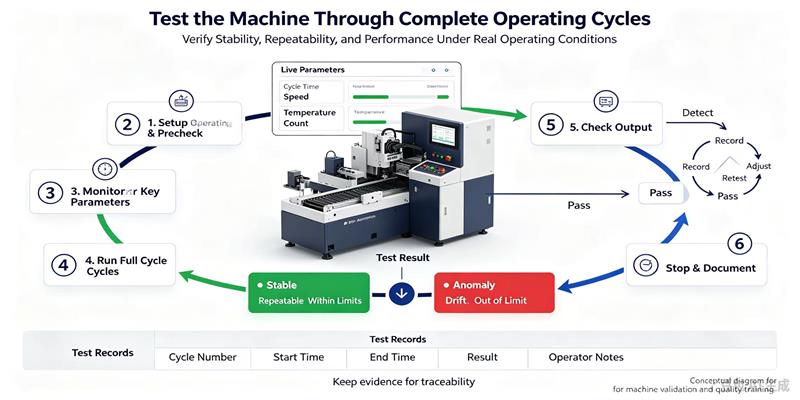
Test the Machine Through Complete Operating Cycles
Testing one custom feature by itself does not prove that the entire machine will work reliably. For example, a lighting module may work properly on its own but cause problems when the machine is running a game, processing a payment, and delivering a prize at the same time. Buyers should therefore ask the manufacturer to test the complete machine and check how different features work together.
Testing may include machine startup, game controls, payment processing, lighting and sound, prize delivery, and repeated game cycles. For machines with special interactive features or multiple game modes, also test mode switching and check whether the machine can return to normal operation after an error. The testing time and specific steps should match the machine design, the complexity of the custom features, and expected usage. Complete testing helps find problems that may not appear during individual feature checks.
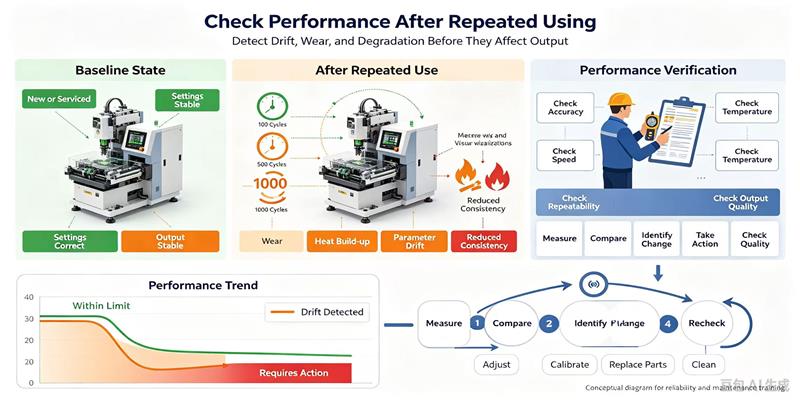
Check Performance After Repeated Use
Some custom features may work properly during a short test but develop problems after repeated or extended use. For example, frequently used lighting modules may develop connection problems, motors may become less responsive, or sensors may become less accurate over time. This is why basic function checks should be supported by repeated operation tests.
Buyers can ask the manufacturer to arrange repeated operating tests based on the machine design. Pay particular attention to motors, sensors, control systems, and payment modules. If a custom feature increases the machine's workload, confirm that the related components can handle the expected use. For bulk orders, agree on clear testing standards and keep the test records so future production batches can be checked against the same requirements.
Consider the Long-Term Cost of Custom Features
Compare the Added Value With Production and Maintenance Costs
Custom features often bring extra costs, including hardware purchases, software development, structural changes, sample testing, and additional production work. More complex designs may also increase spare parts inventory, repair training, and after-sales support costs. When reviewing a quotation, buyers should look beyond the price of adding a feature and consider its cost throughout the machine's service life.
For example, a special lighting system may help a machine match a brand's image, but it may also require a separate control module and special spare parts. Buyers need to consider the extra maintenance costs. On the other hand, a feature that improves operating efficiency, reduces manual work, or meets an important market need may offer real value even if its initial cost is higher. Consider expected sales, usage frequency, maintenance needs, and the price customers are willing to pay before deciding whether a custom feature is worth the investment.
Make Sure Spare Parts and Technical Support Are Available
For commercial prize machines used over a long period, access to spare parts and technical support for custom features is very important. If a special module is only available from one source or the manufacturer cannot provide clear repair instructions, a machine may remain out of service for a long time when that part fails.
Before placing an order, confirm the model numbers of custom components, spare parts availability, warranty coverage, and replacement methods. You can also ask the manufacturer for technical documents such as wiring diagrams, component lists, and basic repair instructions. For bulk orders or branded projects, discuss how many common spare parts should be kept in stock and whether future orders can use the same configuration. Reliable after-sales support helps reduce the long-term operating risks of customized machines.
Keep Custom Specifications Consistent Across Bulk Production
Create a Final Approved Specification Sheet
Once the custom design is finalized, ask the manufacturer to prepare a complete product specification sheet. This document should serve as the shared reference for sample approval and bulk production. It should include the machine's appearance, dimensions, main hardware, software version, feature settings, payment system, special design requirements, and packaging details. For features that may cause misunderstandings, such as lighting effects, logo placement, control methods, and prize delivery settings, provide pictures, measurements, or clear written descriptions.
This document should not be used only for the first production run. Keep it for future repeat orders as well. If the product needs an upgrade or adjustment, update the document and record the changes. This helps prevent unnecessary differences between orders and allows the manufacturer to plan production and quality checks more accurately.
Approve Production Changes Before They Are Applied
During mass production, the manufacturer may suggest changes because of component supply issues, technical improvements, or production needs. Some changes may improve machine stability, but applying them without approval could also affect the custom features that have already been confirmed. Buyers should therefore agree on a clear process for handling production changes before the order begins.
For changes involving key hardware, software, appearance, payment systems, or safety requirements, ask the factory to explain the reason, possible effects, and alternative options in advance. When necessary, request an updated sample or new test results. The change should only be applied to bulk production after you have approved it. Small adjustments that do not affect machine performance or agreed requirements can be handled more flexibly if both sides have agreed on the acceptable limits. A clear change approval process allows the product to improve while keeping bulk production consistent.
Conclusion
Custom features can help prize machines meet different market needs, support brand identity, and improve the customer experience. However, adding more functions does not always mean creating a better product. Poorly planned hardware or software changes may affect machine stability, increase maintenance work, and make spare parts management more difficult.
For B2B buyers, the best approach is to start with clear business needs, separate essential features from optional upgrades, and review the technical impact of every important change. Before approving a customized prize machine, check component compatibility, maintenance access, software performance, and complete operating test results. You should also confirm that the final specifications can be followed throughout bulk production.
A successful custom prize machine is not simply a machine with more features. It is a machine that meets specific business needs while remaining stable, easy to maintain, and suitable for long-term operation.