For wholesalers, importers, brand owners, and arcade operators, approving a prize machine sample does not always mean the full production order will meet the same standards. The sample may look good, work properly, and use the expected components, but the bulk order may have problems with assembly, machine functions, hardware, or appearance.
These issues can affect product acceptance, delivery schedules, repair costs, and customer satisfaction. If the machines have already been shipped overseas, solving the problem may also involve extra shipping costs, delayed deliveries, and customer complaints. Buyers need to set clear sample approval standards before production, check product quality during manufacturing, and confirm that the finished machines meet the agreed requirements before shipment.
So, what should buyers do when a prize machine sample passes inspection but the bulk production does not? The following steps explain how to identify the problem, work with the manufacturer, check product quality, and reduce the risk of similar issues in future orders.
Identify the Difference Between the Approved Sample and Bulk Production
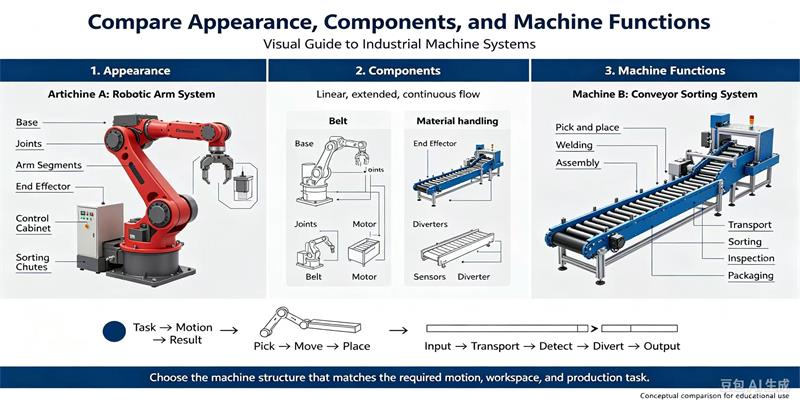
Compare Appearance, Components, and Machine Functions
When you find differences between the bulk order and the approved sample, the first step is to identify exactly what has changed. Do not assume that the entire order is defective before checking the details. Compare the new machines with the approved sample, including cabinet size, colors, artwork, logo placement, lighting effects, control panels, internal components, and main game functions. For example, the bulk order may use a different control board, or some machines may have problems with lighting, button response, or prize delivery. Even small differences can affect how the machines work, how easy they are to repair, or how they look under your brand.
Use the original sample approval records to check each item, and document any differences with photos, videos, and component lists. If the problem involves machine performance, run actual tests instead of checking appearance alone. A clear list of differences helps the manufacturer understand the issue and gives both sides a useful reference when discussing repairs, reinspection, or responsibility for the problem.
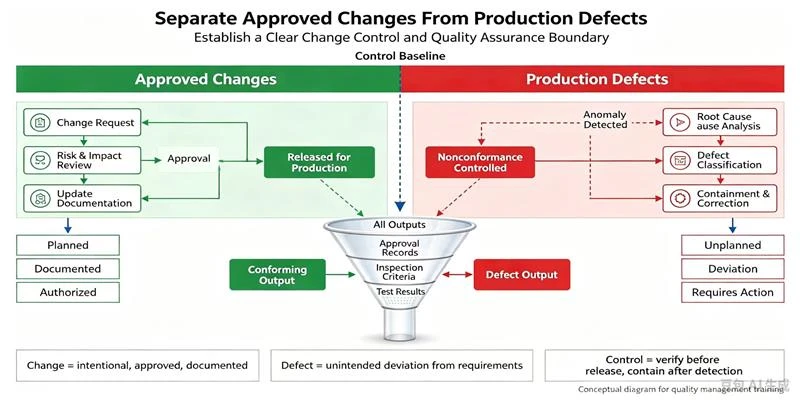
Separate Approved Changes From Production Defects
Not every difference means the manufacturer has failed to meet the agreed quality standards. A manufacturer may have suggested a design improvement before mass production, or it may have replaced a component because of a supply issue. The key questions are whether the change was approved, whether it meets the order requirements, and whether it affects machine performance or quality.
Review the sample approval records, order specifications, and production change records to find out whether the manufacturer changed the design, hardware, or software without your approval. If a change was approved in writing, inspect the machines against the updated requirements. If the manufacturer changed a key feature without permission or failed to meet the agreed standards, ask for an explanation and a clear solution. Separating approved changes from actual production defects helps prevent disagreements caused by unclear expectations.
Review the Original Sample Approval and Order Requirements
Check Whether the Approved Sample Was Clearly Documented
Sample approval records are important when checking whether bulk production meets your requirements. If you only approved the sample through a phone call or kept a few product photos, it may be difficult to prove what both sides originally agreed to. Before purchasing commercial prize machines, keep the approved sample photos, product specifications, key component details, software configuration, functional test results, and design files.
For customized prize machines, you should also keep the logo files, color requirements, packaging plans, and other special instructions. If the sample had any problems during testing, record whether those problems were fixed and which version received final approval. When differences appear in the bulk order, these records allow you to make a clear comparison instead of relying on memory or different ideas about what the product should look like.
Confirm Which Requirements Apply to the Entire Order
After approving a sample, buyers also need to confirm which requirements must apply to every machine in the order. A sample may include only one or a few units, while a bulk order may contain dozens or hundreds of machines. If the order documents only list a model name without explaining key components, functions, or quality standards, the manufacturer may make adjustments during production that lead to differences across the batch.
Before production starts, include important requirements in the order documents or technical specifications. These may cover machine dimensions, cabinet design, key hardware, software version, payment system, main functions, packaging, and inspection standards. For important components or features that affect safety, performance, or maintenance, state clearly that changes require written approval. You should also agree on the inspection method and defect standards for the bulk order so the manufacturer knows what must be met before shipment.
Ask the Manufacturer to Investigate the Production Problem
Request a Clear Explanation of the Root Cause
When the sample passes inspection but bulk production does not, the manufacturer needs to find out where the problem started rather than simply admit that differences exist. Possible causes include component changes, assembly errors, production equipment adjustments, inconsistent software settings, or final inspections that failed to catch defects. Each cause requires a different solution, so buyers should ask the manufacturer for a clear explanation instead of accepting a general promise to be more careful.
Ask which machines are affected, which production batches are involved, where the problem occurred, and why the existing quality checks did not detect it. If the issue comes from a component or assembly step, confirm whether other machines may have the same problem. This is especially important for large orders because a defect found in one machine may point to a wider production issue. Once the cause is clear, both sides can decide whether to repair certain machines, inspect more units, or stop shipment until the problem is resolved.
Ask for a Corrective Action Plan Before Production Continues
If the problem affects bulk production, ask the manufacturer to provide a specific corrective action plan. Related production or shipment should not continue until the necessary actions have been agreed on and their results have been checked. The plan should explain which parts need repair or replacement, how the machines already produced will be handled, who is responsible for each action, and how the manufacturer will confirm that the problem has been fixed. For example, if some prize machines use the wrong control boards, the factory should replace the incorrect parts and inspect other machines in the same batch to make sure the issue has not been missed elsewhere.
The plan should also explain how the factory will prevent the same problem from happening again. This may involve updating assembly instructions, adding checks at important production stages, or including extra tests during final inspection. Ask for photos, test records, or inspection reports after the changes are made. For large orders, consider inspecting a corrected group of machines before allowing the remaining units to move forward. This helps reduce repeated repairs and future after-sales problems.
Decide Whether to Repair, Replace, or Reject the Affected Machines
Evaluate the Severity and Business Impact of Each Defect
Not all defects require the same response. A minor scratch or small appearance difference is not the same as a control system failure, a payment problem, or a safety-related issue. Buyers should consider the severity of each defect, how many machines are affected, how difficult the problem is to fix, and whether it creates risks during normal use. These factors help determine whether the machines can be repaired, need replacement parts, or should not be accepted in their current condition.
For example, if a logo is slightly out of position, you can check whether it falls within the agreed appearance standards and decide whether rework is necessary. If a machine cannot start properly, fails to deliver prizes, or has an unreliable payment system, the problem should be fixed before delivery. For issues that may affect safety, do not accept the machines based only on appearance checks or the manufacturer's verbal assurance. Require suitable technical checks and functional tests before deciding whether the products meet the required standards.
Agree on the Resolution, Cost, and Delivery Schedule in Writing
Once the problem has been identified, confirm the solution with the manufacturer in writing. The agreement should cover the repair work, replacement parts, reinspection, related costs, and revised delivery schedule. For overseas orders, you should also consider repackaging, extra shipping, customs arrangements, and any effect on the original delivery plan. Even when you have a long-term relationship with the manufacturer, verbal agreements are not enough to manage major bulk production issues.
The solution should depend on the type of defect, the order terms, and each party's responsibilities. If the manufacturer failed to meet the agreed requirements, you can refer to the contract to determine what corrective action it must take. For serious quality problems or a large number of defective machines, keep all relevant evidence and follow the quality dispute process agreed in the contract. A written plan helps both sides manage costs, organize the next steps, and reduce the chance of the same problem happening again.
Strengthen Quality Checks Before the Next Bulk Order
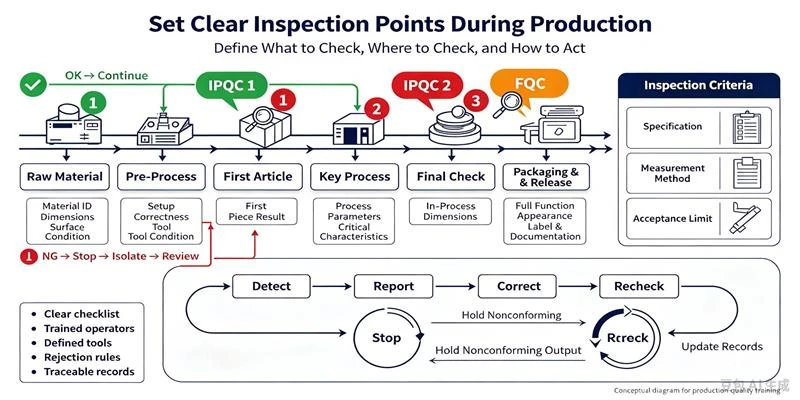
Set Clear Inspection Points During Production
If buyers only inspect machines after production is complete, they may discover a problem after it has already affected the entire order. A better approach is to set inspection points at different stages, such as key component checks, first-unit assembly checks, functional testing, and final pre-shipment inspection. Finding problems earlier makes them easier to fix and reduces the risk of having to rework the entire batch.
For customized prize machines, ask the manufacturer to confirm key components and the final configuration before mass production. Once the first completed machine has been checked and its assembly and functions meet the requirements, the factory can continue with the remaining units. During production, workers should follow consistent assembly instructions, and the factory should keep records of checks at important stages. For large orders or machines with complex configurations, buyers can agree on stricter inspection steps with the manufacturer to reduce the risk of differences between batches.
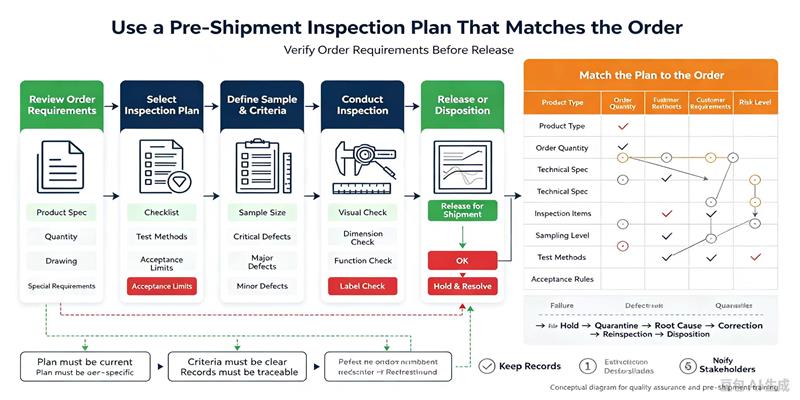
Use a Pre-Shipment Inspection Plan That Matches the Order
Pre-shipment inspection is an important way to confirm that bulk production meets the approved sample and order requirements. Buyers should agree on the inspection items, sample size, defect categories, and acceptance standards before production is completed, rather than deciding how to inspect the machines at the last minute. Depending on the product and order requirements, checks may cover appearance, key components, control systems, payment functions, game operation, prize delivery, lighting, and packaging.
For large orders, buyers may use an agreed sampling method. However, important functions or key configurations may need to be checked on every machine. You can also ask the factory to provide test records, machine identification numbers, inspection photos, and videos to support remote checks. If defects are found, use the agreed standards to decide whether more machines need to be inspected and whether the affected units must be repaired and tested again. A clear pre-shipment inspection plan helps both sides find problems before the machines leave the factory, when repairs and other corrective actions are usually easier to manage.
Choose a Prize Machine Manufacturer That Can Keep Bulk Quality Consistent
Check How the Factory Controls Production and Quality
A sample that passes inspection only proves that the tested sample met the requirements at that time. It does not, by itself, prove that the factory can produce an entire order to the same standard. When choosing a prize machine manufacturer, buyers should also learn how the factory manages components, production steps, assembly standards, and quality inspections. A factory with a stable production process should be able to explain how it controls differences between batches and how it tracks and handles production problems.
Ask whether the factory uses standard product specifications and assembly instructions, checks incoming components, and tests machine functions before shipment. For customized products or long-term purchasing projects, confirm whether it can keep records of product configurations, sample approvals, and production inspections. These details help you judge whether the manufacturer can support repeat orders instead of simply producing one acceptable sample.
Confirm the Manufacturer's Ability to Handle Repeat Orders
For wholesalers, importers, and brand owners, the ability to handle repeat orders consistently is just as important as the quality of the first batch. As your business grows, you may need to restock products, expand into new markets, or supply the same machine model to different customers. If later batches often have different components or functions, managing spare parts, after-sales support, and customer communication becomes more difficult.
Before starting a long-term partnership, confirm that the manufacturer can keep approved product specifications, track component and software versions, and inform you before making planned changes. You should also ask how it handles quality complaints, arranges repairs, and checks whether corrective actions have worked. For ongoing projects, these processes help improve consistency across repeat orders and make purchasing, inventory planning, and after-sales service easier to manage.
Conclusion
When a prize machine sample passes inspection but bulk production does not meet the same standards, buyers should do more than simply ask the manufacturer to make repairs. Start by identifying the differences, reviewing the original order records, and asking the factory to investigate the cause. Based on the severity and scope of the defects, both sides can agree on repairs, component replacements, reinspection, or another solution that follows the order terms.
To reduce the risk of similar problems in future orders, set clear product specifications and acceptance standards before mass production, add quality checks during manufacturing, and complete the agreed inspection before shipment. Choosing a prize machine manufacturer that manages production carefully, keeps clear product records, and responds to quality issues in a timely manner can also help lower long-term purchasing and after-sales costs.
For B2B buyers, sample approval is only one part of quality control. A reliable supply partnership also depends on the manufacturer's ability to meet the agreed quality standards throughout bulk production.