When you reorder prize machines, you expect the new batch to match the original order. Consistent products make it easier to expand your business, manage spare parts, train staff, and maintain a stable customer experience. However, a new batch may differ in appearance, hardware, software, or performance, even when it carries the same model name.
These differences can create problems for distributors, arcade operators, and other B2B buyers. A change in control boards may affect repairs, while different lighting or cabinet designs may affect brand consistency. If spare parts are no longer compatible, your maintenance costs may also increase.
Product differences can happen when manufacturers update components, change suppliers, improve designs, or adjust production methods. The key is to know which changes are acceptable and which require your approval. Before placing another order, you should review the original specifications, confirm any planned changes, and check the new batch before shipment.
Understand Why Repeat Prize Machine Orders May Differ
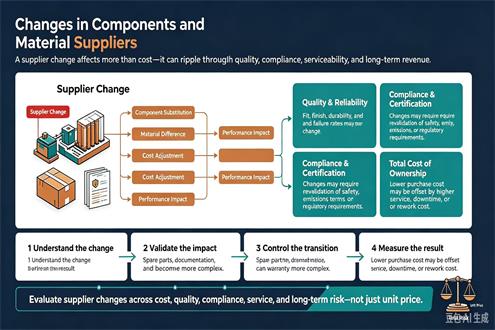
Changes in Components and Material Suppliers
A prize machine manufacturer may change component or material suppliers because of supply issues, cost changes, or product improvements. For example, a new batch may use a different motor, sensor, control board, power supply, screen, or cabinet material. Even if the machine looks the same, these changes may affect how it works, how long it lasts, or how easy it is to repair.
Before placing a repeat order, ask the manufacturer which parts must remain unchanged and which parts can be replaced with approved alternatives. For important components, request details about the new parts and how they may affect machine performance. A reliable manufacturer should explain the reason for each change and provide test results when needed, rather than replacing key components without informing you.
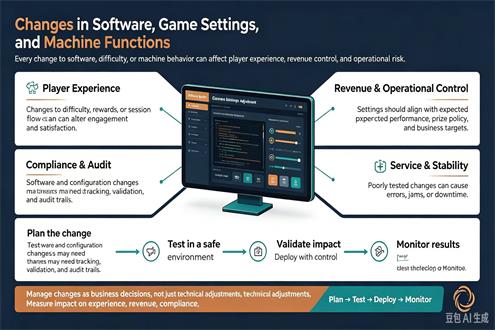
Changes in Software, Game Settings, and Machine Functions
Software updates can also make two batches of prize machines work differently. Changes to game settings may affect difficulty, control response, lighting effects, payment functions, or prize delivery. These differences can affect the customer experience and may require your staff to learn new operating or repair procedures.
To avoid unexpected changes, record the software version and key settings of your original order. Ask the manufacturer whether the next batch will use the same software and whether any updates are planned. If an update is necessary, confirm what it changes and whether it works with your existing hardware, payment systems, and spare parts. You should also request functional test results before approving the new configuration.
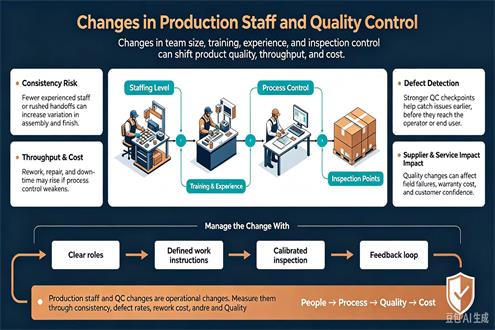
Changes in Production Staff and Quality Control
Changes in production staff or assembly methods can lead to differences between batches if the factory does not follow clear production standards. For example, wiring, component installation, cabinet assembly, or final adjustments may vary from one production run to another. These differences can affect product quality and make maintenance less predictable.
When choosing a manufacturer for repeat orders, ask how it keeps product specifications and assembly methods consistent across production batches. Check whether workers follow standard operating procedures and whether the factory uses the same inspection requirements for each order. You can also request quality inspection records for the new batch to confirm that the machines meet the agreed specifications before shipment.
Identify Which Differences Matter Most to Your Business
Appearance and Branding Consistency
For distributors, brand owners, and arcade operators, appearance is often an important part of product consistency. Differences in cabinet color, logo placement, lighting, artwork, or machine dimensions may affect how the machines look together in a venue or retail space. If you sell machines under your own brand, even small design changes may make the new batch look different from the products your customers already know.
To prevent this problem, keep the final approved design files, color details, logo positions, and product photos from the first order. Before production begins, tell the manufacturer which design details must stay the same and which can be adjusted. If the factory needs to change the appearance, ask it to provide updated drawings or sample photos for approval. This helps protect your brand image and reduces the risk of receiving machines that do not match your sales materials.
Hardware and Performance Consistency
Hardware changes can affect how a prize machine operates, how often it needs repairs, and how well it performs during daily use. A different motor, sensor, control board, or power supply may change the machine's response or reliability. If you operate multiple locations or supply machines to different customers, inconsistent performance can make training, troubleshooting, and service support more difficult.
Do not rely on the model name alone when checking a repeat order. Compare the key components and performance requirements with those of the original batch. Ask the manufacturer for an updated component list, functional test results, and technical notes about any changes. If a new component is expected to improve the machine, confirm the expected benefits and make sure the change does not create problems with your existing equipment or maintenance process.
Differences in Maintenance and Spare Parts
Changes between production batches can make spare parts management more complicated. For example, a new control board may not work with an older machine, or a replacement component may require a different installation method. If your business operates many machines, keeping separate parts for different versions can increase inventory costs and make repairs take longer.
Before reordering, ask the manufacturer whether the new batch uses the same spare parts as the original machines. If any parts have changed, request updated part numbers, compatibility details, and replacement instructions. It is also helpful to keep a list showing which parts work with each machine version. These records make it easier for your service team to identify the correct parts and reduce the risk of ordering components that cannot be used.
Check the Original Order Records Before Reordering
Keep a Complete Record of the First Order
Your original order records are the main reference for checking whether a new batch matches the agreed specifications. These records should include the final product specifications, approved appearance, key components, software version, payment configuration, packaging requirements, and quality inspection standards. If you ordered customized machines, keep the approved design files, sample photos, and written confirmation of any special requirements.
When placing a repeat order, use these final approved records instead of relying only on the product name, model number, or an old quotation. Product names may remain unchanged even when the manufacturer updates the design or components. Clear records help both sides understand what was agreed and reduce the chance of different expectations during production.
Compare the New Quotation With the Previous Order
A new quotation may include changes that are not obvious from the price alone. The manufacturer may have updated certain components, adjusted the machine design, changed software settings, added functions, or modified the packaging. These changes may explain why the new price is different, but you should understand them before confirming the order.
Compare the new quotation with the previous one, including the model, configuration, components, functions, packaging, and unit price. Ask the manufacturer to list any differences in writing and explain why they are needed. A change does not always mean that product quality has declined. It may be an improvement or a response to supply conditions. However, you should know what has changed and decide whether the new configuration still meets your business needs.
Ask the Manufacturer to Confirm Product Consistency
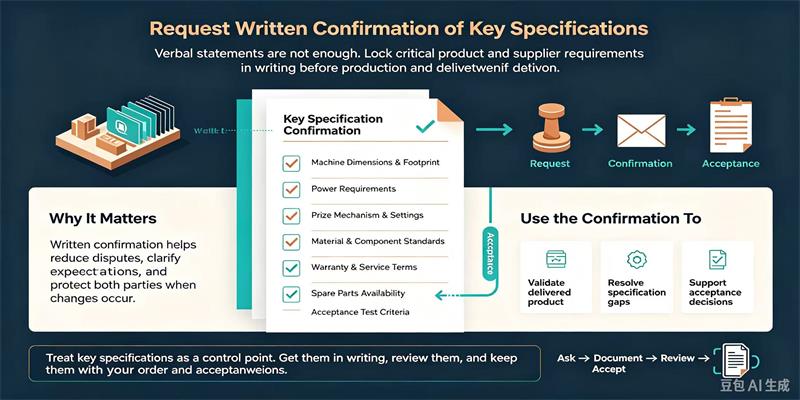
Request Written Confirmation of Key Specifications
Verbal promises are not enough when you need consistent products across multiple orders. Ask the manufacturer to include important specifications in the order documents and confirm in writing that the new batch will follow them. Depending on the product, these details may cover machine dimensions, cabinet design, hardware, software, payment systems, labels, and packaging.
If the manufacturer needs to change any agreed specification, ask for an explanation before production starts. For changes that may affect appearance, performance, or compatibility, you may need updated drawings, sample photos, or test results before giving approval. Written confirmation gives both sides a clear reference if questions arise during production or inspection. It also helps prevent misunderstandings when different employees handle purchasing, production, and quality control.
Establish a Process for Approving Product Changes
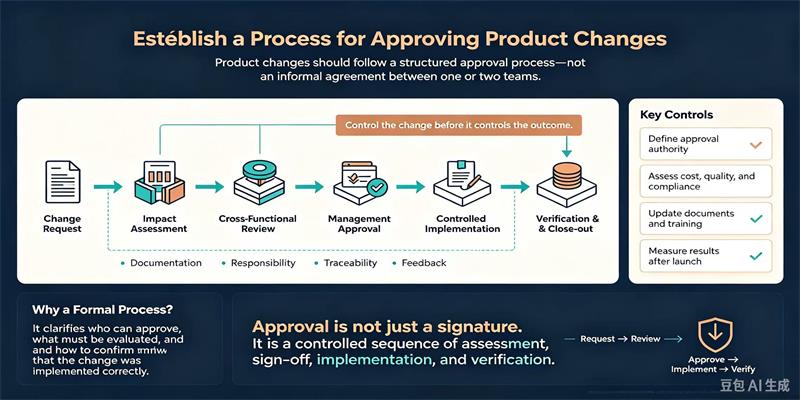
It is useful to agree on a change approval process before placing a repeat order. Not every small adjustment needs to delay production, but changes to key components, software, appearance, or safety-related requirements should be reviewed before they are made. You can also define which minor changes the manufacturer may make without separate approval, provided they do not affect the agreed product requirements.
Ask the manufacturer to notify you of planned changes, explain their effects, and wait for written approval when required. For example, if a control board or payment system needs to change, you should be able to review compatibility and test results before the factory proceeds. This process allows the manufacturer to improve production when needed while giving you control over changes that may affect your customers, maintenance costs, or business operations.
Inspect and Test the New Batch Before Shipment
Use the First Batch as a Practical Reference
The first batch can serve as a useful reference when checking a new order. Compare the machines' appearance, main functions, operating behavior, and maintenance access with the original products. If you notice differences, check them against the approved specifications and the manufacturer's written explanation of any changes.
However, the first batch should not automatically be treated as the only acceptable version. A manufacturer may have made an approved improvement that makes the new machines easier to maintain or more reliable. The important point is to distinguish between changes you have approved and changes that were made without your knowledge. If the new batch differs from the agreed requirements, ask the manufacturer to explain the issue and resolve it before shipment.
Test Key Functions and Inspect Important Components
A visual check alone cannot confirm that a prize machine works as expected. Before shipment, test the main functions, including game start, controls, prize delivery, payment, lighting, sound, and complete game cycles. You should also inspect important components, wiring, cabinet assembly, and service areas to check for visible problems or changes that may affect future repairs.
For bulk orders, agree on an inspection plan with the manufacturer before production is completed. This plan can define how many machines will be checked, which functions will be tested, and what types of defects are acceptable. Ask for inspection records, photos, or videos when appropriate, especially if you cannot visit the factory in person. The inspection method should match the order size, product complexity, and level of risk. A clear process helps you identify problems before the machines leave the factory, when they are usually easier to address.
Understand How Product Changes Affect Long-Term Costs
Consider the Cost of Managing Different Machine Versions
When different batches use different components or configurations, your business may need to manage several versions of the same machine. This can increase the number of spare parts you keep, make repair instructions harder to manage, and require additional staff training. Your service team may also need more time to identify the correct parts and repair procedures for each version.
Before accepting a change, consider whether the new configuration will increase these costs. Ask whether the new control boards, motors, sensors, or other key components can work with your existing machines. If the new version offers better reliability or lower maintenance needs, those benefits may make the change worthwhile. The goal is not to prevent every product update, but to understand its effect on the total cost of operating and supporting your machines.
Balance Product Improvements With Customer Expectations
Product updates can bring real benefits, such as better reliability, easier maintenance, or improved functions. However, changes may also affect what your customers expect. Distributors and brand owners may have already shown product photos, provided technical details, or promised a specific configuration to their customers. If the next batch looks or works differently, they may need to update sales materials, train service staff, or explain the changes to buyers.
Before accepting an upgrade, ask the manufacturer what has changed and how it affects product use, compatibility, and maintenance. Check whether existing spare parts and repair procedures will still work, and update your product information when necessary. If the change is important to your customers, inform them before delivery rather than waiting for questions or complaints. This helps you benefit from product improvements without creating avoidable problems for your sales and service teams.
Conclusion
When your next prize machine order does not match the first, the difference may affect more than the product's appearance. Changes in hardware, software, performance, or maintenance requirements can influence brand consistency, repair work, spare parts inventory, and long-term operating costs.
To reduce these risks, keep complete records of the original order, compare new quotations carefully, and ask the manufacturer to confirm key specifications in writing. Set clear rules for approving product changes, and inspect and test the new batch before shipment.
For B2B buyers, consistent supply depends on more than ordering the same model again. It requires clear specifications, a reliable change approval process, and quality checks for every production batch. Working with a manufacturer that follows these practices can help you manage repeat orders more easily, control after-sales costs, and provide a more consistent product experience for your customers.