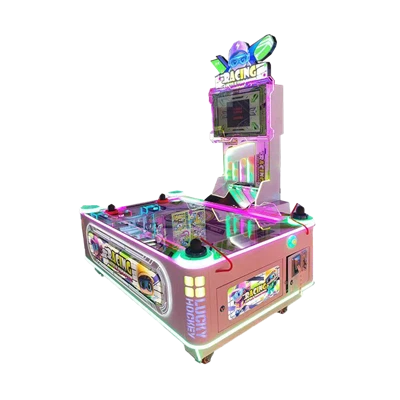
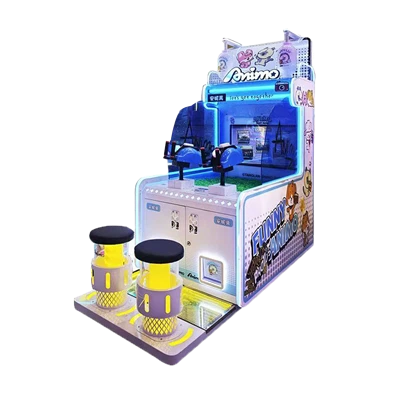
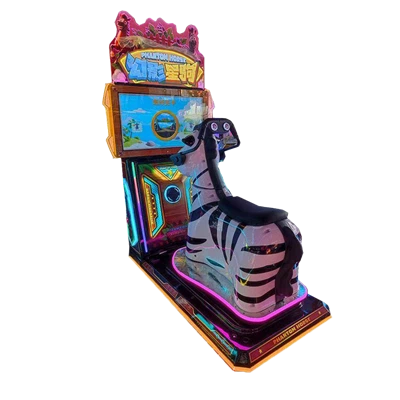
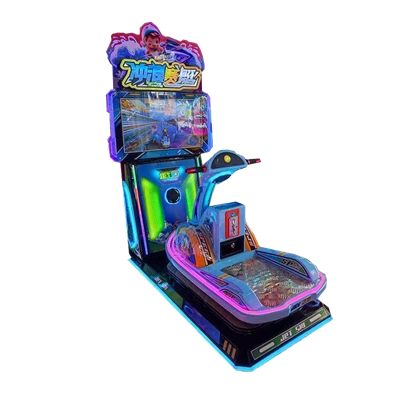
When buyers search for a pinball machine factory for wholesale or OEM orders, the real challenge is usually not finding suppliers, but knowing how to judge which factory is truly reliable for long-term cooperation, because pinball machines are complex commercial devices that are used frequently, and if the factory is not properly evaluated at the beginning, problems often appear later in the form of unstable quality, missed delivery dates, and weak after-sales support, which can seriously affect business operations and customer trust.
Confirming You Are Working with a Real Manufacturing Source
How to verify whether a supplier is a true production facility rather than a trading intermediary
To confirm that you are dealing with a real manufacturing source and not a trading company, you should not rely only on how the supplier describes itself, but instead ask for clear production-related proof, such as assembly workshop videos, explanations of the full assembly and testing process, and clear answers about where key parts come from, because suppliers that do not control production usually struggle to give consistent and detailed answers to these questions.
Why direct control over production matters for wholesale and OEM cooperation
For wholesale and OEM orders, working directly with the production side is important because it allows you to communicate with the people who actually control schedules, quality standards, and technical changes, while suppliers who rely on outside factories often need extra time to confirm details, which increases delays and raises the risk of mistakes as order volume grows.
Evaluating Manufacturing Capability for Commercial Pinball Machines
How to assess whether a factory can consistently produce commercial-grade machines at scale
When evaluating whether a factory is suitable for bulk orders, the focus should not be on how good a single sample looks, but on whether the factory can explain how it keeps the same mechanical setup, wiring layout, and assembly accuracy across different production batches, because the ability to repeat the same standard again and again is what separates a stable factory from one that relies mainly on manual experience.
Why stable replication matters more than prototype quality in wholesale orders
In real business use, operators receive many machines, not just one prototype, and if those machines feel different in play response, speed, or reliability, maintenance costs will increase and customer experience will suffer, even if the first sample looked perfect.
Reviewing Quality Control Processes Inside the Factory
What concrete quality control steps a reliable pinball machine factory should be able to demonstrate
A reliable pinball machine factory should be able to clearly describe when and how quality checks happen during production, such as testing key mechanical parts, running machines for extended periods after assembly, and keeping records for each unit, instead of simply saying that machines are checked before shipment.
How gaps in quality control often reveal themselves during technical discussions
If a supplier avoids questions about how problems are handled during testing, or cannot provide test videos or clear explanations when issues appear, this often shows that quality checks are done only at the final stage and not built into the full production process, which can lead to higher risks in large orders.
Understanding OEM and Customization Boundaries
How to distinguish between manageable customization and high-risk modification requests
In OEM projects, some customization requests such as artwork, lighting effects, or interface changes are usually low risk, while changes to mechanical layout or control logic can greatly increase complexity and future repair costs, and experienced factories normally explain these limits clearly instead of agreeing to every request.
Why respecting customization limits protects long-term cooperation
When buyers understand customization boundaries early and design products within those limits, it becomes easier to reorder, manage spare parts, and maintain stable product performance over time.
Assessing Production Capacity and Lead Time Reliability

How to evaluate whether stated production capacity is realistic
Production capacity should be judged based on how the factory explains its monthly output planning, how it separates sample orders from mass production, and how it handles busy seasons, because realistic capacity planning shows whether delivery promises can actually be met.
Why consistent lead time matters more than aggressive delivery promises
For wholesale and OEM cooperation, stable and predictable delivery times are often more valuable than very short promised lead times, since rushed schedules often reduce testing time and increase the chance of hidden quality issues.

Evaluating Spare Parts Supply and After-Sales Support
How to confirm long-term spare parts availability before placing orders
Before placing bulk orders, buyers should confirm whether the factory plans long-term supply for wear parts, keeps parts consistent during a model's life cycle, and continues support even after newer models are released, because these factors directly affect machine uptime in commercial use.
Why after-sales capability should be evaluated before bulk purchasing
If a supplier cannot clearly explain technical support methods, response times, and problem escalation processes before the sale, it is likely that solving issues after delivery will take longer and cost more once machines are in the field.
Conclusion
Choosing a reliable production partner is not about finding the supplier that looks the most impressive, but about using clear and practical checks to confirm stable production ability, consistent quality control, reasonable customization limits, and long-term support, because only when these conditions are met can wholesale and OEM pinball machine cooperation grow in a stable and sustainable way.