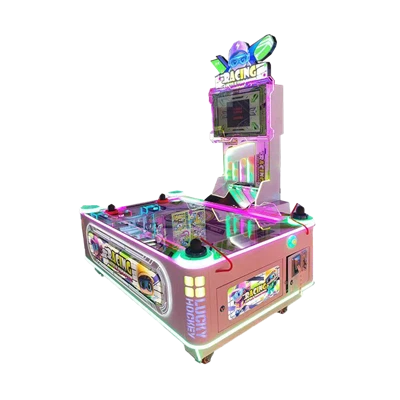
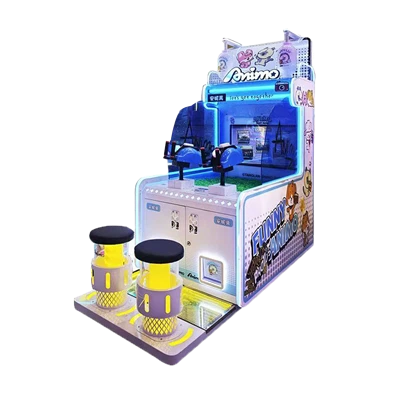
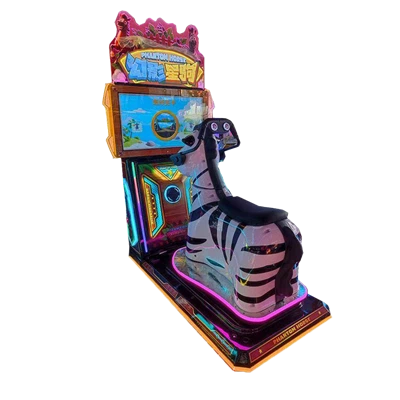
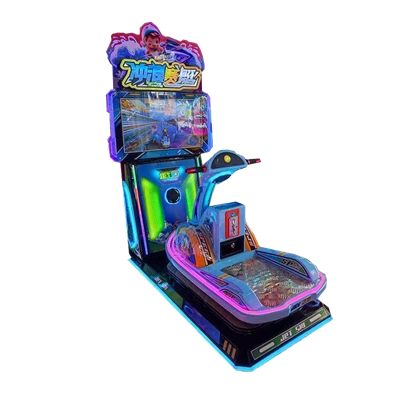
Racing game machines have been a core attraction in arcades for many years. They catch attention fast, create strong player involvement, and often lead to repeat play. That said, many arcade owners make the mistake of choosing a racing machine based only on looks, price, or sales advice. When the machine does not match the venue, the players, or the business goal, it often ends up underused and hard to maintain.
This guide is not about naming one "best" racing game machine. Instead, it explains how to choose the right type of racing game machine for your specific arcade business, so your investment supports long-term revenue rather than becoming a burden.
Understand Your Arcade Business Model First
How Your Location Directly Affects Racing Game Performance
The type and size of your location have a direct impact on how well a racing game machine performs. In shopping malls or high-traffic areas, racing machines often act as visual magnets. In these places, screen size, cabinet design, and sound effects matter because they help stop passing customers. In family entertainment centers or community arcades, players usually come with a purpose, so stability, safety, and ease of use matter more than flashy design. If your space is limited, choosing a large simulator can reduce walking space and hurt the overall layout of your arcade.
Defining Your Real Target Players Before Choosing a Machine
Not all players expect the same experience from a racing game. Families and younger players prefer machines that are easy to understand and forgiving to play. Teen players often look for speed, competition, and strong visual effects. Adult players usually care more about steering feel, pedal response, and realism. If your main customers are families, a complex racing simulator may look impressive but fail to keep players coming back.
Matching Racing Game Selection With Your Revenue Goals
Every racing game machine should have a clear role in your business. If your goal is fast payback and steady daily income, a simple arcade racing machine with high turnover often works best. If you want to increase the average spend per player and build a feature attraction, a simulator-style machine may be the better choice. Problems usually appear when a high-cost machine is placed in a venue that cannot support its pricing or usage level.
Choose the Right Type of Racing Game Machine

When Classic Arcade Racing Machines Make the Most Sense
Classic arcade racing machines are popular because they balance cost, ease of use, and steady income. These machines usually take up less space and allow players to start racing within seconds. For arcades that rely on daily foot traffic rather than hardcore racing fans, this type of machine often delivers more consistent results and faster return on investment.

Situations Where Racing Simulator Machines Deliver Higher Value
Racing simulators offer more realistic steering, pedal feedback, and driving physics. They work best in venues where players are willing to pay more for a deeper experience. Because these machines require more space, power, and care, they are usually better as featured attractions rather than standard units placed throughout the arcade.

Evaluating Motion Racing Simulators From a Business Perspective
Motion racing simulators stand out because of their movement and strong visual impact. They can draw attention quickly, but they also come with higher costs and maintenance needs. These machines perform best in locations with steady foot traffic and technical support. Without those conditions, they may cost more to operate than they earn.
Key Hardware and Gameplay Factors That Influence Long-Term Success
Why Steering and Pedal Quality Matters More Than Most Buyers Expect
The steering wheel and pedals are used constantly and wear out faster than most other parts. Poor-quality components often feel fine at first but lose accuracy and strength over time. Strong internal design and reliable materials help keep the driving feel consistent, reduce breakdowns, and lower repair costs in the long run.
How Screen Configuration Affects Player Engagement
Screen size and clarity play a big role in first impressions. A larger screen can improve speed feeling and immersion, but only if the resolution and refresh rate are good enough. Screen height and angle also matter. If the screen causes eye strain or poor viewing angles, players tend to stop sooner, which reduces play time and revenue.
Ensuring Long-Term Replay Value Through Game Content Design
Racing machines stay profitable longer when the game content offers variety. Multiple tracks, different vehicles, and balanced difficulty levels encourage players to come back and improve their performance. Machines with limited content often perform well at first but lose interest quickly once players feel they have seen everything.
Space, Power, and Installation Considerations
Accurately Assessing Space Requirements Beyond Machine Dimensions
The space a racing machine needs is more than its cabinet size. You must also allow room for players to enter, exit, and wait safely. Ignoring this can lead to crowded layouts, poor player flow, and safety risks.
Planning for Electrical Load and Power Stability
Racing machines, especially simulators, can draw significant power. If your electrical system cannot handle continuous operation, upgrades may be required. Planning for this early helps avoid costly changes after installation.
Understanding Installation Complexity and Time Costs
Some machines are quick to set up, while others require professional installation and calibration. If your arcade needs to open fast or minimize downtime, installation time should be part of your decision process.
Maintenance, Durability, and Total Cost of Ownership

How Build Quality Impacts Long-Term Operational Stability
Strong internal structure and proper reinforcement help racing machines stay stable under heavy use. Machines with solid frames and well-designed internal layouts keep their performance consistent over time, while weaker designs often develop issues after months of operation.

The Importance of Reliable Spare Parts Supply
No machine runs forever without part replacement. What matters most is how fast a machine can return to service after a failure. Easy access to spare parts reduces downtime and protects your daily income.

Software Stability as a Core Revenue Factor
Stable software keeps players confident and reduces staff intervention. Frequent crashes or resets frustrate players and lower repeat usage. A stable system supports smoother operation and better long-term earnings.
Evaluating ROI Before Making a Final Decision
Calculating Payback Period Based on Real Usage Scenarios
Payback estimates should be based on real traffic patterns, weekday versus weekend use, and seasonal changes. Using realistic data instead of best-case numbers helps prevent poor investment decisions.
Why Player Retention Determines Long-Term Profitability
Long-term profit comes from repeat players, not one-time excitement. Racing machines that offer clear feedback, fair challenge, and steady improvement paths are more likely to build loyal users and stable income.
Conclusion
Choosing the right racing game machine is a long-term business decision, not just a purchase. When the machine type matches your space, player base, and revenue goals, it becomes a reliable source of income instead of a costly mistake. The smartest choice is not the most expensive or most eye-catching option, but the one that fits your arcade's real operating conditions and future plans.