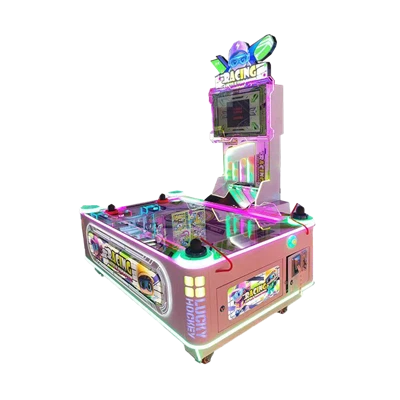
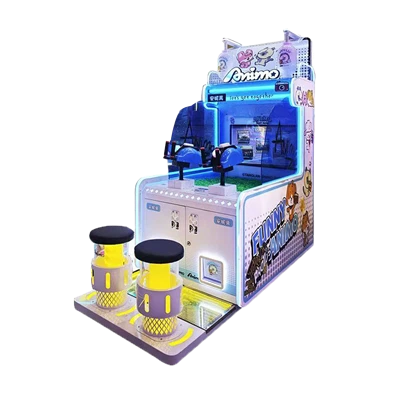
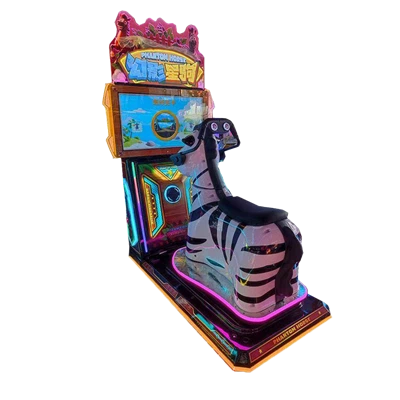
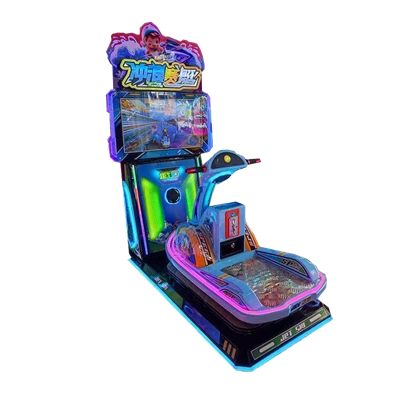
Buying an arcade machine may seem simple, but differences between models can affect a machine's durability, maintenance costs, and long-term returns. Two machines may look similar, but their internal structure, software design, and after-sales support can be vastly different.
For operators, distributors, home entertainment center owners, and first-time buyers, understanding what to compare before placing an order can help avoid mistakes and reduce unexpected expenses later. Here are some key areas worth evaluating.
1. Workmanship and materials
One of the biggest differences between suppliers lies in product quality. Commercial machines need to be able to withstand daily use by children, teenagers, and frequent users.
What needs to be checked?
Thickness of the metal frame or cabinet structure
Reinforcement around doors, locks, hinges, and control panels
Type of joystick, button, or claw motor
Is the display made of tempered glass or acrylic?
A robust structure lasts longer, requires less maintenance, and maintains its appearance better in high-traffic environments. Poor-quality structures typically exhibit loose panels, unstable controls, and premature wear.
2. Software features and gameplay
Hardware is important, but software is the key to profitability. Players will only return when the game is fair, responsive, and engaging.
Main software functions
Adjustable difficulty settings
Clear menu layout for easy operator use
Multi-language support
Sound and display configuration options
Firmware update availability
For slot machines, controlling claw strength, payout rates, or winning odds settings is crucial. If the software lacks flexibility, operators may struggle to balance revenue and customer experience.
3. Payment system compatibility
Payment methods have changed. Machines that only accept coins may limit revenue potential, especially in areas where cash usage is declining.
Preferred payment method
Coins and tokens
QR code payments or app-based payments
Swipe cards or touch systems
Membership cards or loyalty cards compatible
Machines with multiple payment methods are easier to place in different types of locations and generally perform better in modern retail environments.
4. Maintenance design and repair access
Maintenance is an integral part of business operations. The easier a machine is to inspect and repair, the less downtime and the lower the cost.
Questions to ask before buying
Are the wiring and circuit boards labeled?
Are key components modular and replaceable?
Does the supplier provide wiring diagrams or videos?
Is there a standard parts catalog?
Machines with a modular internal layout are easier to maintain, especially for operators managing multiple machines.
5. Power consumption and noise level
Operating costs are often overlooked. Machines that consume too much electricity or are too noisy may be difficult to use in certain environments.
Comparison points
Wattage during normal operation
Standby power mode
Cooling system type
Fan noise level
After several months of continuous use, reduced operating costs become very common, especially in large arcades.
6. Warranty and after-sales support
The support services offered by different suppliers vary greatly, and this becomes very important after the machine is installed.
Evaluate the following:
Warranty period and coverage
Technical support response time
Parts replacement policy
Availability of documentation and troubleshooting materials
Long-term spare parts inventory (recommended for at least 3-5 years)
The reliability of a machine depends on the support behind it.
7. Profit potential and investment payback period
Price alone doesn't tell the whole story. The key factors are how quickly the machine recoups its costs and the stability of the profits.
Factors affecting return on investment include:
Game type and popularity
Tuning difficulty
Placement location
Payment flexibility
Replay frequency
Some machines, while requiring a higher initial investment, perform better over time due to their software controls, superior architecture, and longer lifespan.
Final words
Not all arcade machines are created equal, and appearance often doesn't tell the whole story. Evaluating materials, software, payment systems, ease of maintenance, and manufacturer support helps buyers make more informed choices.
Instead of focusing solely on price or design, consider the machine's performance over years of commercial use. A well-chosen machine operates reliably, requires minimal maintenance, and delivers consistent revenue; a poor-quality machine, on the other hand, can lead to ongoing repair costs and downtime.
Taking the time to compare these aspects before purchasing helps operators avoid unnecessary problems and supports long-term profitability.