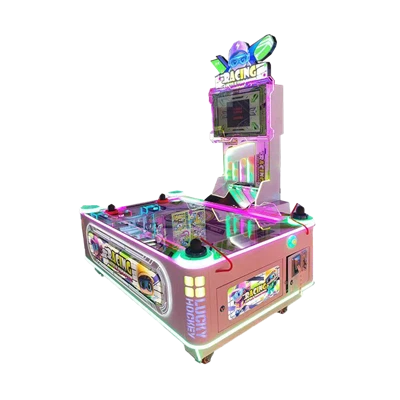
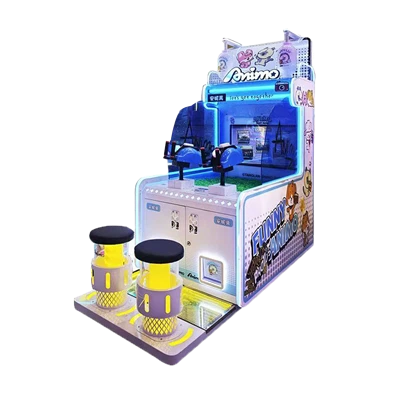
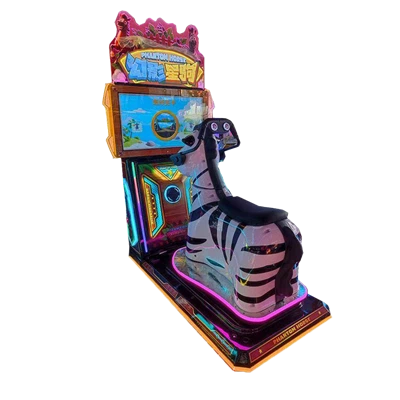
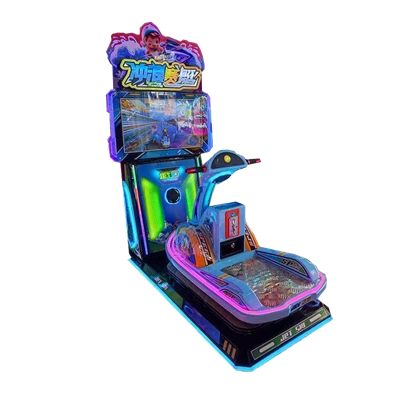
For many investors, arcade games were once simply seen as a form of entertainment. That view is now outdated. High-tech arcade games have evolved into reliable, data-driven, profitable assets, delivering rapid returns on investment, scalable profits, and predictable cash flow. With advanced software systems, multiple payment options, and interactive gameplay mechanics, modern arcade games have become one of the fastest-growing revenue streams in shopping malls, family entertainment centers, cinemas, hotels, franchised entertainment stores, and retail complexes.
If you haven't been following this sector for the past five years, these figures might surprise you.
Why do modern arcade games generate strong returns on investment?
The key to improved profitability today lies in technology. Most modern machines now support multiple payment methods, including QR codes, NFC mobile wallets, debit cards, membership cards, tokens, and cash. This eliminates the inconvenience of traditional coin-only payment systems. In practice, machines equipped with cashless or hybrid payment systems typically generate 25% to 60% more revenue, for a simple reason: convenient payments lead to higher customer spending.
These systems also allow investors to track revenue in real time. Operators can remotely view earnings, adjust game pricing, and monitor game frequency, enabling them to make data-driven, rather than guesswork-based, business decisions.
Real income scenario based on average position
While results may vary depending on foot traffic and machine type, the modern profit model is very simple and straightforward. In commercial spaces with moderate foot traffic:
| Metric | Range |
|---|---|
| Average price per play | $1.00–$3.00 |
| Average plays per day | 80–200 |
| Expected monthly gross revenue | $2,400–$12,000 |
Even after deducting venue revenue sharing (typically 20% to 40%), prize replenishment costs for prize machines or claw machines, and minimal maintenance costs, many operators can recoup their entire investment within 3 to 9 months. If high-engagement equipment such as VR racing simulators, competitive shooting games, or popular claw machines are placed in high-traffic areas, the payback period may be even faster.
Enhance interactive features for repeat purchases.
Modern arcade games are designed to retain players, not just attract them.
Intelligent Difficulty Algorithm
Many machines now come equipped with AI-based difficulty adjustment features. This ensures a consistently exciting and stimulating gaming experience without impacting profitability. The system analyzes game performance trends and automatically adjusts win rates or game progression to maintain stable revenue and player satisfaction.
Gamification and social interaction
Digital leaderboards, user accounts, QR code score saving, and mobile app extensions have transformed arcade games into a repetitive engagement model. Players return to the game to improve their ranking, unlock cosmetic upgrades, or challenge friends. When a game allows progress saving, it becomes personalized-and personalized experiences drive repeat purchases.
High-visibility cabinet design
A full-color LED lighting system, a 43-65 inch widescreen display, a touch interface, voice feedback, and dynamic lighting effects significantly enhance the machine's visibility. In retail settings, a prominent machine can convert passive passersby into paying customers within seconds.
Low maintenance cost and good long-term stability
Unlike older analog arcade machines that required frequent technical support, modern arcade systems are designed with simplified maintenance and extended lifespan in mind. Most machines use modular components, allowing technicians to replace parts without disassembling the entire system. Software diagnostics, remote firmware updates, and enhanced control hardware reduce downtime and extend product life. Annual maintenance costs typically account for only 3% to 5% of the machine's value.
Multiple monetization methods beyond gameplay
Another factor supporting a high ROI is a diversified revenue model. Besides player fees, the machines can generate revenue through:
In-screen advertising
Brand sponsorship
Membership or loyalty programs
Prize upgrades or premium reward tiers
Seasonal paid tournaments
Some operators can now profit even when the machines are unused, as these screens act as digital billboards in high-traffic areas.
Why are companies increasing their investment in arcade game halls?
Beyond direct revenue, arcade games can improve the overall business environment. Retail and entertainment venues report significant performance improvements, including:
Increased customer dwell time
Higher revenue per visit
Increased repeat visit rates
Stronger brand experience and engagement
An arcade area can transform idle space into a recurring revenue stream while improving the customer experience.
Return on investment is not a matter of luck, but rather determined by strategy.
Today's high-tech arcade machines are no longer purchases driven by nostalgia, but rather smart investments based on technology, real-time analytics, and consumer psychology. With their rapid return on investment, low maintenance costs, diversified revenue streams, and scalable profit potential, arcade machines have become one of the most attractive investments in the entertainment industry.