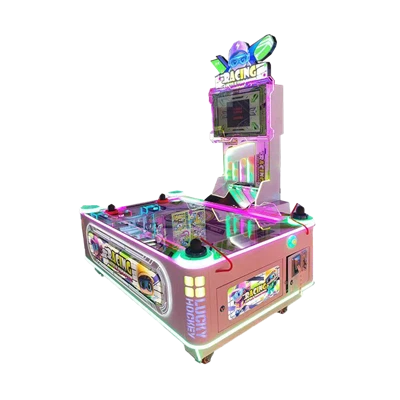
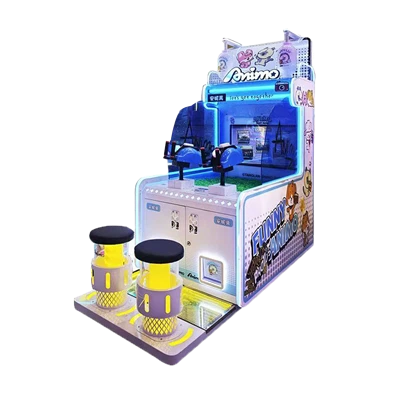
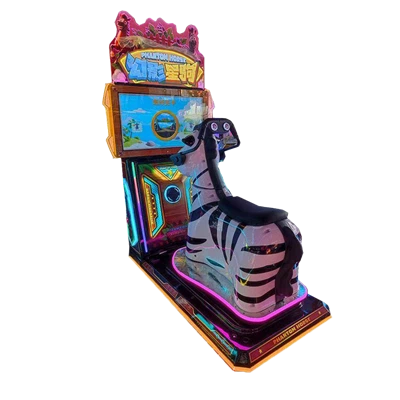
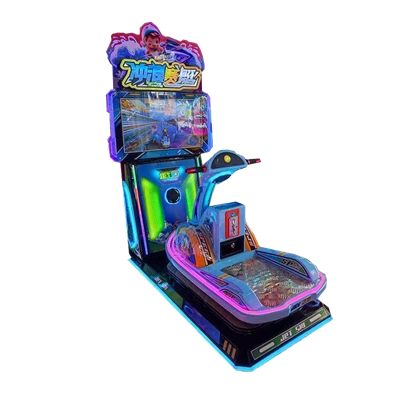
Today, arcade operators face a persistent question: invest in classic pinball machines or modern digital arcade games? Both boast a loyal customer base and generate stable revenue, but not all types of venues achieve the same financial results. By analyzing profit models, operating costs, and long-term revenue data, we can identify significant differences in performance between different types of arcade games.
A comparison of the two is made from a business and operational perspective-not based on preference or nostalgia, but on measurable returns.
Costs, investment and expected returns
Before comparing benefits, I would assess the financial entry point and ongoing costs.
Cost details
| Category | Pinball Machine | Digital Arcade Game |
|---|---|---|
| Purchase Price | $4,500–$9,500 | $6,000–$20,000+ |
| Average Lifespan | 6–12+ years | 3–7 years |
| Repair Type | Mechanical parts | Software + hardware |
| Payback Period (Typical) | 6–18 months | 12–30 months |
Video games typically require a high initial investment and depreciate faster. Pinball machines, on the other hand, tend to retain their value, especially among collectors, which can influence their long-term returns.
Revenue based on actual operating environment
Revenue varies depending on location type and customer behavior. After reviewing operational reports, industry surveys, and arcade performance data, the following revenue comparison was obtained:
Weekly income forecast
| Location Type | Pinball Weekly Avg. | Digital Game Weekly Avg. |
|---|---|---|
| Bars / Taprooms | $180–$450 | $90–$280 |
| Family Entertainment Centers | $200–$520 | $160–$600 |
| Malls / Retail Spaces | $100–$260 | $150–$450 |
The patterns are consistent:
Pinball games generate higher revenue in locations frequented by repeat customers.
Video games bring in more revenue in high-traffic areas.
There are no absolute winners in either type. Revenue depends on the number of participants and the frequency of participation.
Player motivation and behavioral dynamics
Understanding why people play each type of game helps explain income trends.
Pinball is a highly skill-based game. The better a player's skill, the longer they stay engaged, thus cultivating a loyal, repeat customer base.
Video games focus more on quick gratification-visual effects, licensed themes, and short-lived gameplay experiences. They attract impulsive players rather than long-term commitments.
Participation characteristics
| Factor | Pinball | Digital Games |
|---|---|---|
| Average Play Time per Paid Session | 2–6 minutes | 45–120 seconds |
| Replay Motivation | Improve skill and score | Entertainment + novelty |
| Player Loyalty | High | Medium |
| Replay Pattern | Long-term and consistent | Strong early, then tapers |
Key behavioral implications: Pinball games encourage players to make repeated purchases over months or even years. In contrast, video games often peak early and then decline rapidly.
Lifespan, upgrades, and income decline curves
This part often determines the return on investment.
Digital arcade games often generate substantial profits in the first 3 to 12 months, especially when the game is based on a popular brand, movie, or character. However, once the hype dies down, revenue usually declines.
Pinball machines are less affected by trends. The gameplay remains consistently fresh, and revenue levels remain stable.
Revenue Models Change Over Time
Pinball Games: Stable long-term revenue with a slow decline.
Digital Games: Initial peak revenue, followed by a significant decline.
Therefore, pinball machines typically perform better over a period exceeding 24 months.
Which one is more profitable?
Income levels depend on business models, not personal preferences.
Pinball machines are more profitable in the following situations:
The venue has repeat customers (bars, clubs, local arcades).
The target audience is teenagers, adults, or hobbyists.
Long-term profitability stability is more important than trend cycles.
Video games are more profitable in the following situations:
This venue relies on high foot traffic (shopping malls, airports, tourist areas)
Young children are the primary participants
Legacy characters or fast-paced video effects can attract viewers.
Conclusion
Considering investment, returns, lifespan, and user behavior trends, pinball machines typically offer a higher long-term return on investment. They retain their value well, generate stable recurring income, and remain profitable even after many years of operation. Digital arcade games may outperform pinball machines in the short term, especially in high-traffic home entertainment venues, but their profitability curves largely depend on the relevance and novelty of the theme.
The real decision isn't about which category is better overall, but rather how well the equipment is matched to audience behavior and business models.