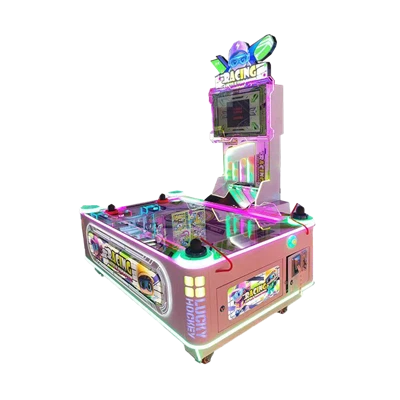
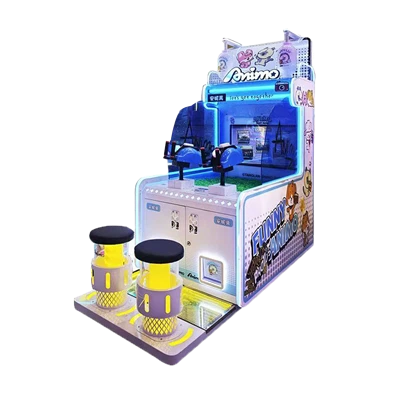
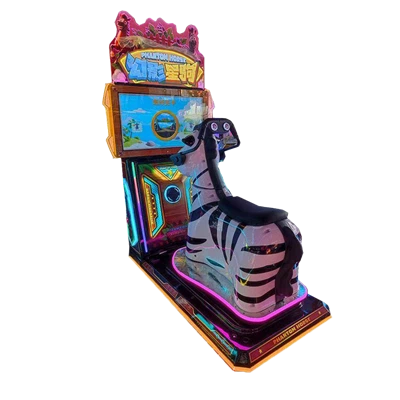
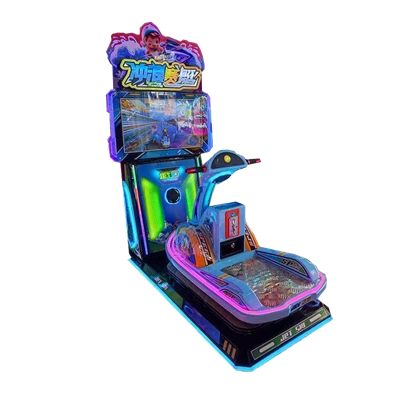
In 2026, the arcade industry is no longer just about selling machines. The focus has shifted to operations, revenue structure, and long-term performance. Simply buying popular machines is no longer enough to build a strong business. For investors, the key is understanding how machine mix, user behavior, and maintenance costs work together to affect overall returns. These changes are not just trends. They directly impact investment results.
1. Revenue Comes More From Repeat Play, Not One-Time Attraction
Repeat Play Sets the Real Income Limit
In today's market, income based only on first-time attraction is no longer stable. Long-term revenue mainly comes from users who keep coming back. So when evaluating a machine, it is not enough to ask whether it can attract players at first. The more important question is whether it can keep those players returning.
Machines with stable mechanics and consistent feedback tend to perform better in this area. A key factor is whether the game creates a "close but not finished" feeling. This kind of design does not allow players to win too easily, but also does not feel impossible. Instead, it encourages repeated attempts over time, which naturally increases repeat play.
For investors, this means the focus should shift away from "first impression attraction" and toward whether repeat engagement can be sustained. The real value of a machine is not how many new players it brings in, but how many times the same player is willing to return.

2. Mid-Range Machines Are Replacing High-Cost Flagship Equipment
Investment Is Moving Toward Mid-Level Equipment
High-end machines may look more impressive, but they usually take longer to recover their cost and require better locations. Mid-range machines offer a better balance between cost, maintenance, and flexibility. Many operators now prefer using multiple mid-range machines instead of relying on one expensive unit, which helps reduce risk and improve overall stability.
3. Space Efficiency Is Now a Key Investment Metric
Revenue per Space Matters More Than Single Machine Performance
As rent and operating costs continue to rise, the income from a single machine is no longer the best measure of value. What matters more is how much revenue can be generated per square meter. Some large machines may earn more per play, but they also take up more space, which reduces overall efficiency. Investors should evaluate machine layouts based on total space usage, not just individual performance.
4. Simple Gameplay Often Outperforms Complex Systems
Simple Rules Lead to Higher Usage Rates
Complex gameplay may attract attention at first, but it often reduces participation because players need time to understand it. Simple machines with clear rules and direct feedback are easier for users to join and repeat. In high-traffic locations, this type of design usually performs more consistently.
5. Maintenance Cost Is Becoming a Major Profit Factor
Maintenance Has a Direct Impact on Real Profit
In real operation, the purchase price is only the starting cost. Maintenance cost becomes more important over time. Investors can evaluate this by looking at how often a machine needs repairs in its first year, whether key parts need replacement within three years, and whether downtime is easy to control over a five-year period.
If a machine requires frequent repairs or repeated part replacement, the total cost over time can easily exceed a more stable machine, even if the initial price is lower. This is why maintenance should always be part of the investment decision, not just the purchase price.

6. Hybrid Arcade + Retail Models Are Expanding
Mixed Business Models Increase Total Revenue
More venues are combining arcade machines with retail or food services to increase customer stay time and total spending. This model depends not only on machines but also on space design and product mix. For investors, this means revenue now comes from a full system, not just individual machines.
7. Data Tracking Is No Longer Optional
Data Helps Improve Operation Decisions
Without data, it is difficult to improve machine performance over time. Machines that can track basic usage data help operators understand which units perform better. This allows better decision-making and adjustment. For investors, data capability is now a basic requirement.
8. Younger Audiences Prefer Interactive and Social Experiences

Social Features Influence User Choices
Younger players prefer machines that allow interaction or sharing experiences. These features increase engagement and repeat usage. If a machine lacks interaction, its long-term appeal may decrease. This trend should be considered when selecting equipment.
9. Supplier Reliability Is as Important as Machine Quality
Supplier Support Affects Long-Term Operation
Machine quality is only part of the equation. Long-term operation also depends on technical support and spare parts supply. Even a good machine can become a problem if support is not stable. Investors should evaluate supplier capability before making decisions.
10. Investment Success Depends on Machine Mix, Not Single Units
Machine Combination Determines Risk and Return
A single machine type cannot support a complete revenue model. A balanced mix of different machines helps spread risk and improve overall stability. Investors should build combinations based on venue conditions instead of relying on one popular model.
Conclusion
Investment Focus Is Shifting Toward Operations
The arcade industry is moving from simple machine purchasing to full operational thinking. Understanding user behavior, machine structure, and cost control together is the key to long-term success in this market.