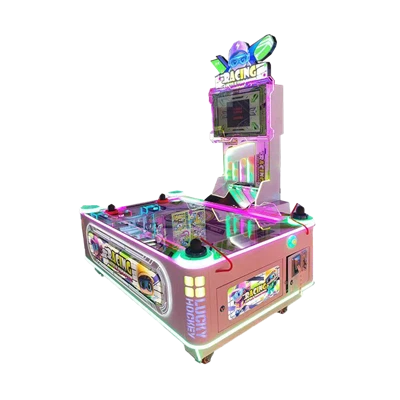
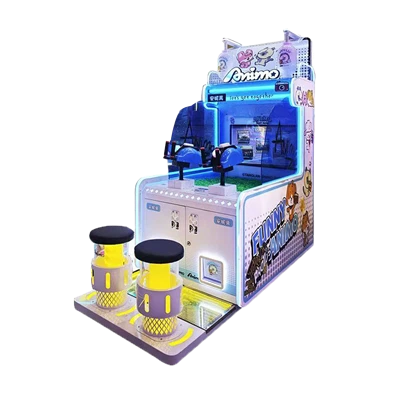
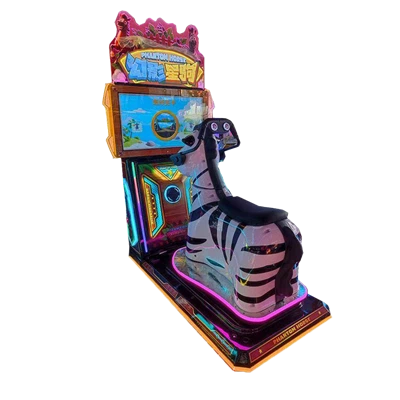
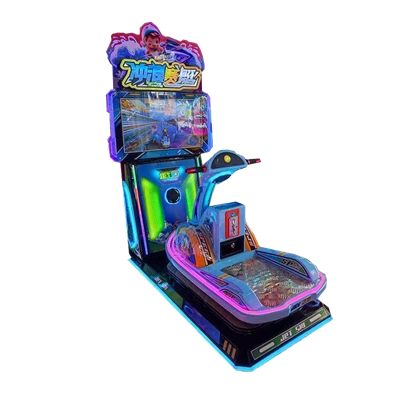
When choosing a commercial pinball machine, short-term performance is not what really matters. The key question is whether the machine can run reliably under heavy use over time. Many machines perform well in the first few months, but problems such as wear, system instability, and difficult maintenance often appear later. For buyers, understanding structure design, system stability, and maintenance conditions is the only way to judge whether a machine can truly last more than five years.
Build Quality and Material Strength
Cabinet Structure and Playfield Durability
A pinball machine faces constant physical impact during daily use. The strength of the cabinet and the durability of the playfield directly affect its lifespan. High-quality machines usually use stronger materials and protective layers on the playfield to reduce wear over time. Lower-cost machines may look similar at first, but under frequent use, surface wear and structural problems often appear much sooner.
Mechanical Parts Durability and Consistency
Inside a pinball machine, many moving parts such as flippers, kickers, and coils are used repeatedly. The quality of these parts affects both gameplay feel and maintenance frequency. If parts are not stable, performance may change over time, leading to more repairs and downtime. Choosing machines with proven and consistent components is more important than choosing machines with new or extra features.
Electronic System Stability and Control Reliability
Proven Systems Are More Reliable Than Complex Features
In commercial use, system stability is more important than the number of features. Machines with too many complex functions often have a higher risk of failure. Systems that have been tested and used over time tend to perform more consistently. For operators, stability is more valuable than having additional functions that may not be necessary.
Matching Between Software and Hardware
The control system must match the performance of sensors, coils, and other hardware parts. If the software requires more than the hardware can handle consistently, delays or incorrect responses may happen during gameplay. These issues are not always clear in short tests but often appear after long periods of real use.
Maintenance Accessibility and Service Efficiency

Easy Access to Key Components
Commercial pinball machines require regular cleaning, inspection, and part replacement. If the internal structure is not well designed, even simple maintenance can take longer and increase downtime. Good design allows quick access to key parts, which helps operators keep machines running with less effort.
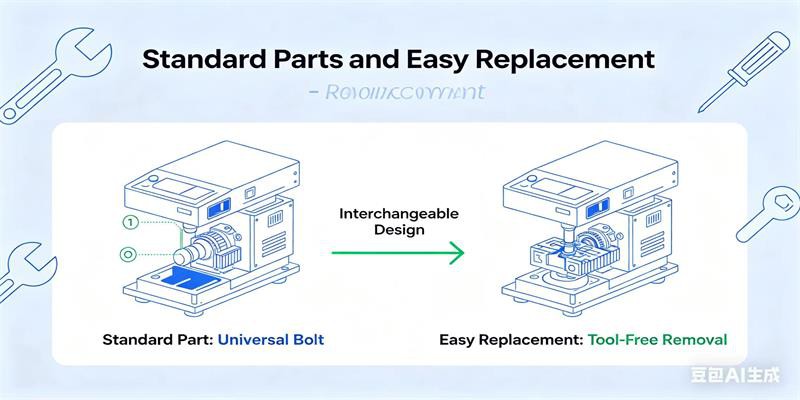
Standard Parts and Easy Replacement
Long-term operation depends on stable access to replacement parts. If key parts can only be sourced from limited channels, maintenance becomes slower and more expensive. Machines that use standard and widely available parts reduce long-term risk and make repairs easier.
Performance Under High-Frequency Use
Designed for Continuous Operation
Commercial machines must handle long hours of daily use, not occasional play. Some machines designed for home use may not perform well in busy environments. Problems such as overheating, wiring wear, or performance drop can appear under heavy use. Buyers should confirm that the machine is built for continuous operation.
Long-Term Stability Matters More Than Initial Performance
A machine that works well in the beginning does not always perform well over time. The real test is whether it can stay stable after months or years of use. Machines with strong structure and stable systems are more likely to maintain consistent performance.
Supplier Support and Long-Term Service
Technical Support Response Time
Even reliable machines need maintenance. Fast and clear technical support helps reduce downtime. Slow responses or unclear communication can increase pressure on daily operations.
Spare Parts Supply and Service Capability
Stable supply of spare parts is essential for long-term use. If a supplier cannot provide key components over time, the machine may become difficult to maintain. Buyers should confirm support capability before making a purchase.
Cost vs Long-Term Value
Do Not Focus Only on Initial Price
A lower purchase price may seem attractive, but it does not always mean lower total cost. In practice, buyers can look at a few simple factors, such as how often the machine needs repair in the first year, whether key parts must be replaced within three years, and whether downtime can be controlled over a five-year period. If a machine requires frequent repairs or repeated part replacement, the total cost may become higher than a more stable machine. Instead of comparing price alone, it is more useful to understand how the machine performs over different stages of use.
Stable Operation Is a Form of Return
In commercial settings, a machine that runs consistently generates steady income. Reducing downtime and repair needs often has more value than increasing short-term performance.
Conclusion
Durability Comes From the Whole System
A pinball machine that lasts more than five years is not defined by a single part. Its performance depends on design, system stability, ease of maintenance, and supplier support working together. For buyers, understanding these factors helps make better decisions and reduces long-term operating risk.