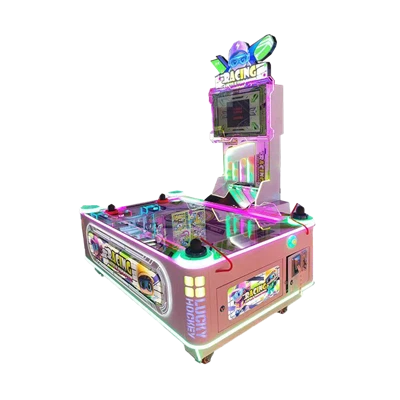
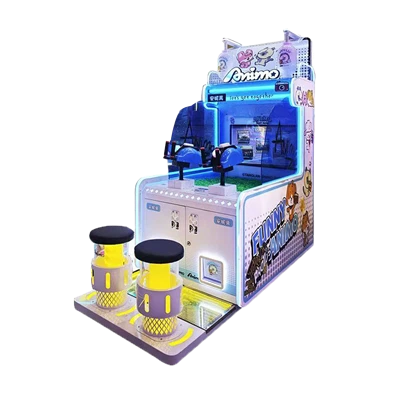
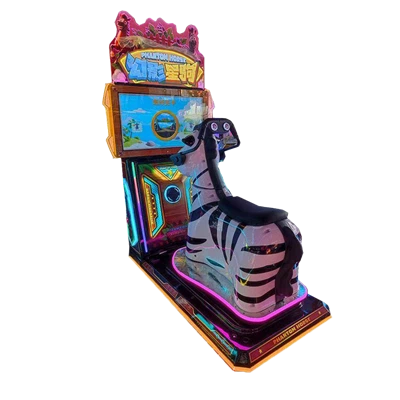
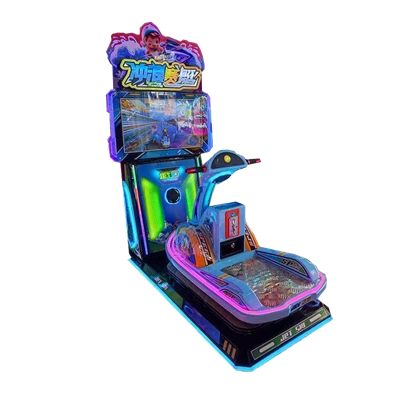
In arcades, shopping malls, and entertainment centers, gift machines are often treated as basic equipment. However, long-term results show that steady profit does not come from how many machines you place, but from whether the machine type truly fits your venue and operation model. Different gift machines vary greatly in gameplay style, maintenance needs, and return cycle. If the wrong type is chosen at the start, later adjustments such as changing prizes or tuning settings usually cost more and deliver limited results. For buyers, understanding common gift machine types and making decisions based on real operating conditions is the key to long-term performance.
Common Types of Gift Machines in the Market

Claw Machines and Skill-Based Gift Machines
Claw machines and other skill-based gift machines are the most common types on the market. These machines rely on player control and timing, which creates strong interaction and engagement. They work well in high-traffic venues with younger customers who enjoy challenge-based play. In real operation, however, these machines place higher demands on mechanical stability and parameter control. If claw strength drops too fast or settings are not consistent, player trust and repeat play will decline. For this reason, buyers should focus less on appearance and more on claw structure, motor durability, and whether the machine allows stable and precise adjustment over long periods of use.

Prize Redemption Machines and Ticket-Based Systems
Prize redemption machines reward players with tickets that can be exchanged for gifts later. This system encourages repeat play rather than single wins and is commonly used in family entertainment centers. While the concept is simple, daily operation can become complex if management systems are weak. Poor control over ticket flow, prize inventory, or exchange rules often leads to higher labor costs and customer complaints. When selecting this type of machine, buyers should pay attention to system stability, ease of management, and whether the equipment supports future expansion and centralized control.

Merchandise Pushers and Coin Pusher Machines
Coin pushers and merchandise pushers attract players through visible movement and clear win signals. The physical pushing process makes results easy to understand and encourages repeated play. Structurally, these machines are simpler, but they place high demands on internal layout and component durability. Weak transmission parts or poor pushing mechanisms can cause jamming and uneven movement over time. These machines are suitable for operators who want steady cash flow, as long as the structure is mature and routine maintenance is easy to perform.
How to Select the Best Gift Machine for Your Business
Selecting the right gift machine is not about choosing the most popular type, but about matching the machine to your venue stage and operation ability. For new venues or test locations, machines with proven structures and low maintenance needs help reduce early risk. For established venues with stable traffic, adding machines with stronger interaction can improve revenue mix. Operators should also evaluate whether their team has the ability to handle daily maintenance and parameter tuning. If technical experience is limited, choosing machines with simple logic and stable settings often delivers better long-term results than complex machines that require frequent adjustment. In practice, the best gift machine is the one that fits your real operating capacity, not the one with the most features.
Understanding Cost, Maintenance, and Long-Term Value
Initial purchase price is only part of the total cost of a gift machine. In long-term operation, maintenance frequency and downtime have a greater impact on profit. Some low-cost machines reduce upfront spending but require more repairs when used heavily. Over time, repair costs and lost operating hours can exceed the original savings. Buyers should evaluate machine structure, key component lifespan, and after-sales support when judging real value. For venues focused on stable operation, consistent performance is itself a form of return.
Conclusion
Each type of gift machine serves a different purpose, and no single model fits every venue. Effective selection depends on understanding machine types, operating conditions, and long-term maintenance demands. By making informed decisions during the purchasing stage, operators can reduce future adjustment costs and build a more stable foundation for long-term operation.