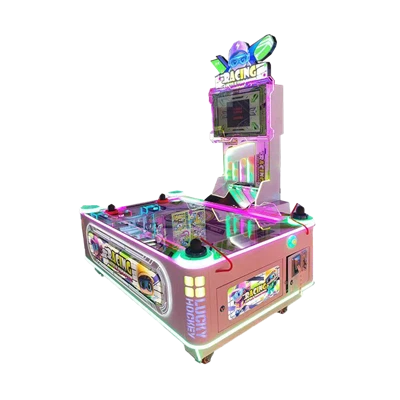
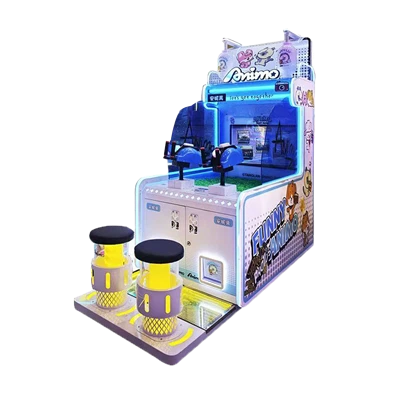
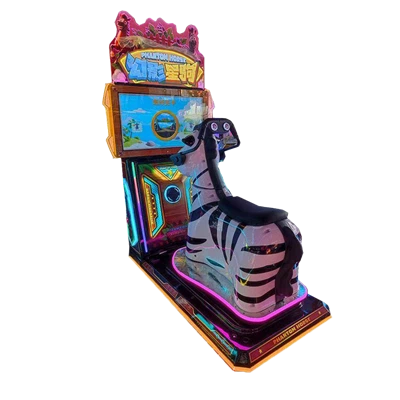
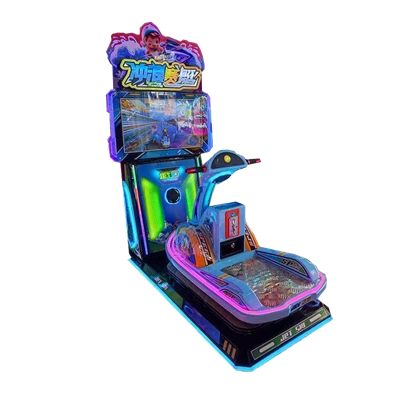
For B2B buyers, warranty and after-sales support are important parts of purchasing prize machines. The purchase price, design, and game features all matter, but repair costs and downtime can also affect long-term operations. If a machine develops a problem and the manufacturer cannot provide repair guidance or replacement parts, the machine may remain out of service longer than expected.
For distributors, wholesalers, family entertainment centers (FECs), and arcade operators, a warranty does more than define who is responsible for certain repairs. It can also affect spare parts costs, customer service, and daily operations. Different manufacturers may offer similar warranty periods but have different coverage, parts supply, technical support, and repair processes.
Before placing an order, B2B buyers should understand what the warranty covers, how after-sales support works, and whether the manufacturer can meet their long-term business needs.
What Should a Prize Machine Warranty Cover?
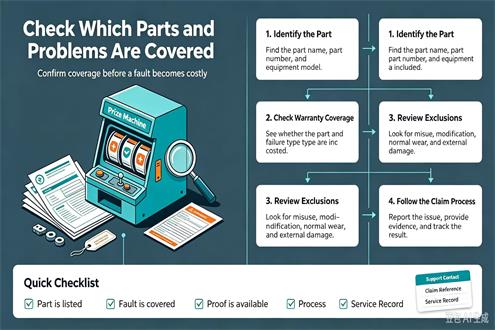
Check Which Parts and Problems Are Covered
Buyers should look beyond the warranty period and check which parts and problems are covered. For example, power supplies, control boards, sensors, and other electrical parts may have different warranty terms. Buttons, lights, and other parts that wear out through regular use may also have separate conditions.
Before placing an order, buyers should request written warranty terms from the manufacturer. They should confirm which problems qualify for free repairs or replacement parts and which may require extra payment. For bulk orders, buyers should also check whether different machine models or custom configurations have the same warranty coverage. Clear terms help buyers estimate possible repair costs and avoid finding out after delivery that certain problems are not covered.
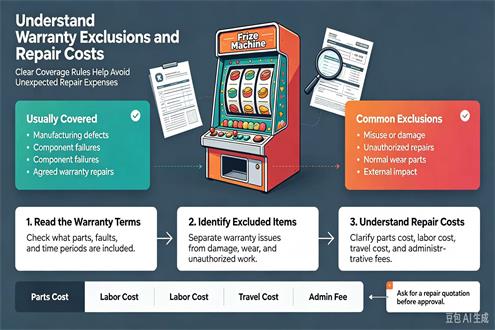
Understand Warranty Exclusions and Repair Costs
Warranties often have limits. For example, damage caused by incorrect operation, unauthorized changes, external damage, or improper maintenance may not be covered. Buyers need to understand these limits because they affect who pays when a machine develops a problem.
Even when a fault is covered, shipping, international delivery, on-site repairs, or labor may not be included. For overseas buyers, shipping parts across borders can add extra costs. Before ordering, buyers should confirm who pays for repairs, replacement parts, and shipping. They should also ask the manufacturer to explain how these costs are handled in different situations.
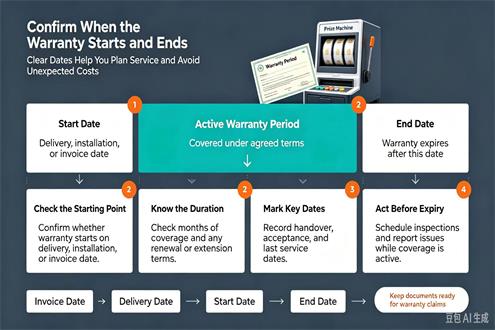
Confirm When the Warranty Starts and Ends
The warranty start date is another important detail. Some manufacturers may start the warranty period on the shipping date, while others may use a different agreed date. For machines that need international shipping, customs clearance, and installation, the start date can affect how much warranty coverage remains once the machines are ready for use.
Buyers should confirm when the warranty begins, whether proof of purchase or a machine serial number is needed, and whether replaced parts receive any additional coverage. For bulk orders, it is best to record these terms in the order documents or purchase agreement so both sides can refer to them later.
How Does After-Sales Support Work Beyond the Warranty?
Technical Support Helps Buyers Find the Cause of Problems
A warranty explains how certain faults are handled, while technical support helps buyers find the cause of a problem and decide what to do next. For example, if a prize machine cannot start a game, the cause may be related to the power supply, wiring, control board, or settings. Clear troubleshooting steps can help customers find the problem before replacing parts.
Remote technical support is especially useful for overseas buyers. Manufacturers may guide customers through common checks using photos, videos, product manuals, or online communication. Before ordering, buyers should ask how technical support is provided, what information they need to report a problem, and how more complex cases are handled. A clear process can reduce repeated checks and unnecessary downtime.
Replacement Parts Must Be Available When Needed
Even if a machine is covered by a warranty, repairs may be delayed if the required parts are not available. For machines already in operation, parts such as buttons, motors, sensors, power supplies, and control boards can affect how quickly the equipment returns to service.
B2B buyers should ask whether common replacement parts will remain available, how to identify the correct part, and how to place an order. For bulk purchases, buyers can request a list of common spare parts and decide whether to keep some in stock based on the number of machines, how often they are used, and how long replacement parts take to arrive. Buyers should also ask how the manufacturer supports older machines when product designs or part specifications change.
Ask How Unresolved Problems Are Handled
Reliable after-sales support should not stop after the manufacturer sends an initial reply. If replacing a part does not solve the problem, the manufacturer should continue guiding the customer through troubleshooting and review the possible causes when needed.
Before purchasing, buyers can ask how service issues are recorded, how unresolved problems are followed up, and which team handles repeated faults. This is especially important for distributors, who may need to manage repair requests from several end customers at once. A clear process helps prevent missed messages and makes it easier to track repair progress.
What Should B2B Buyers Check Before Placing an Order?
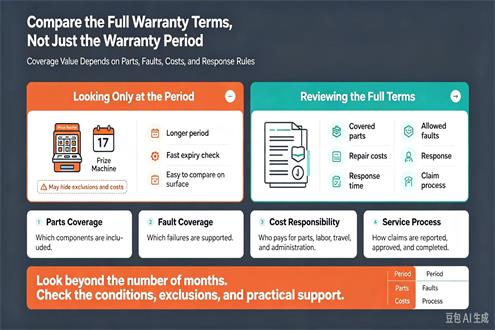
Compare the Full Warranty Terms, Not Just the Warranty Period
Two manufacturers may offer the same warranty period but provide different levels of coverage. One may cover more key parts, while another may have more limits on parts costs, shipping, or certain types of faults. Comparing warranty periods alone is not enough to decide which option is better for long-term operations.
Buyers should compare warranty coverage, exclusions, repair costs, parts availability, and technical support channels together. Distributors and wholesalers should also confirm whether all machines in a bulk order have the same warranty terms and whether custom models have different service conditions. This gives buyers a clearer view of the possible costs after purchase.
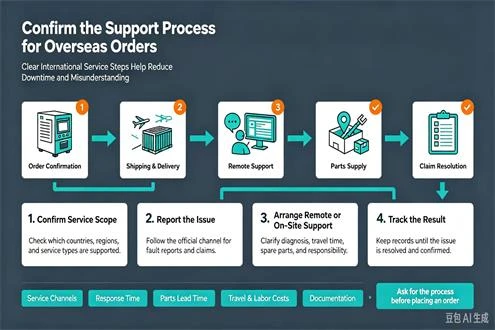
Confirm the Support Process for Overseas Orders
International purchases often involve shipping, customs clearance, time zone differences, and cross-border parts delivery. For this reason, overseas buyers need a clear after-sales process. If a machine develops a problem after arrival, they should know which team to contact, how to report the fault, and what remote support the manufacturer can provide.
Before placing an order, buyers should confirm the available communication channels, technical support hours, information needed for fault reports, and how replacement parts are shipped overseas. For complex problems that require professional repair, they should also ask whether the manufacturer can provide repair documents or technical guidance. Understanding these details early can reduce the pressure of finding a solution after a problem occurs.

Get Important Service Commitments in Writing
Verbal promises from sales staff can be helpful, but important service terms should be recorded in writing, especially for bulk orders or long-term partnerships. Buyers should keep copies of the warranty terms, spare parts information, technical support details, and any special service arrangements agreed upon before the order.
If an order includes custom features, special control systems, or different part versions, the related machine models and configurations should also be recorded. This makes it easier for both sides to identify the correct information when repairs, repeat orders, or spare parts are needed. Clear records also reduce misunderstandings about warranty coverage and service responsibilities.
What Are the Warning Signs of Weak Warranty and Support?
Warranty Terms Are Vague or Incomplete
If a manufacturer focuses only on the warranty period but cannot explain which parts are covered, which problems are excluded, or who pays for repairs, buyers should ask for more details. Unclear terms can lead to disagreements when a machine develops a problem.
Before purchasing, buyers should request written warranty terms and confirm the key details. If a manufacturer is unwilling to explain basic warranty conditions, or if its sales promises differ from the written terms, buyers should carefully consider the risks before moving forward.
The Manufacturer Cannot Explain Its Spare Parts Plan
If a manufacturer cannot explain how to order common parts, identify different part versions, or support repairs for older models, buyers may face longer repair delays in the future.
This is especially important for distributors and wholesalers because they may need to maintain their own machines and support end customers. Buyers can request a spare parts list, part identification details, and basic repair documents. They should also confirm whether product updates could affect the maintenance of machines they have already purchased.
There Is No Clear Contact for After-Sales Issues
If buyers do not know whom to contact when a machine develops a problem, or if different staff members provide conflicting advice, repairs may take longer than necessary.
Before placing an order, buyers should confirm which team handles after-sales issues and how more complex problems are passed to the right staff. For bulk orders, they can also ask whether the manufacturer can provide ongoing support based on machine models and repair records. Clear contact details and responsibilities make after-sales work easier to manage.
How Can Buyers Evaluate the Long-Term Value of Warranty and Support?
Consider Downtime Along With Repair Costs
The operating cost of a prize machine includes more than the purchase price and repair bills. Downtime can also affect the business. If a machine remains out of service because parts are unavailable or technical guidance is delayed, operators may lose revenue and provide a poorer game experience for visitors.
When comparing manufacturers, buyers should consider warranty coverage, technical response, spare parts availability, and the repair process together. No manufacturer can promise that every problem will be fixed immediately, but clear service arrangements can help reduce unnecessary waiting and repeated repairs.
Choose Support That Can Grow With Your Business
As the number of machines increases, after-sales work becomes more complex. A business that manages dozens or hundreds of prize machines may need to track different models, warranty status, repair records, and spare parts inventory. Clear product documents, parts information, and a consistent support process can make these tasks easier to manage.
Distributors, wholesalers, and brand owners planning to place repeat orders should also ask whether the manufacturer can support future purchases, custom models, and ongoing spare parts needs. Choosing a manufacturer that can support business growth helps reduce uncertainty as the business expands.
Conclusion
For B2B buyers, prize machine warranty and after-sales support should be part of the overall purchasing decision, not just a check of the warranty period. Buyers should confirm the warranty coverage, exclusions, repair costs, technical support channels, spare parts availability, and process for handling problems before placing an order.
For distributors, wholesalers, FECs, and arcade operators, clear warranty terms and reliable after-sales support can help control long-term repair costs, reduce unnecessary downtime, and make daily operations easier to manage.
When choosing a prize machine manufacturer, buyers should consider not only whether the machines meet their current needs but also whether the manufacturer can provide clear, practical support after delivery and throughout a long-term business relationship.