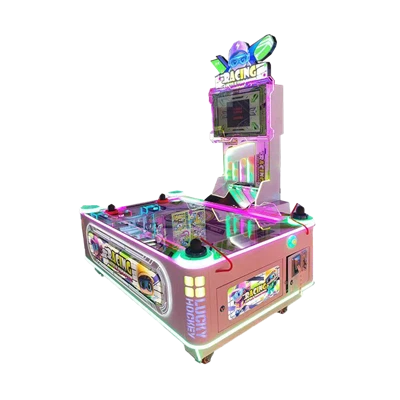
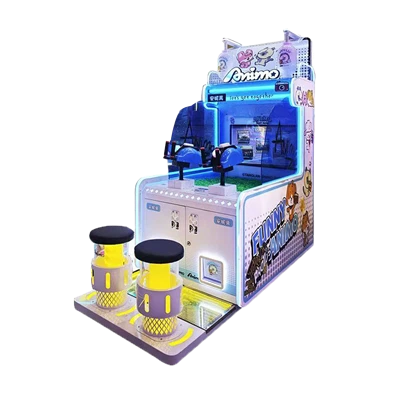
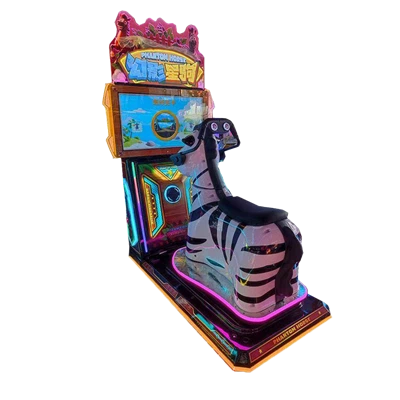
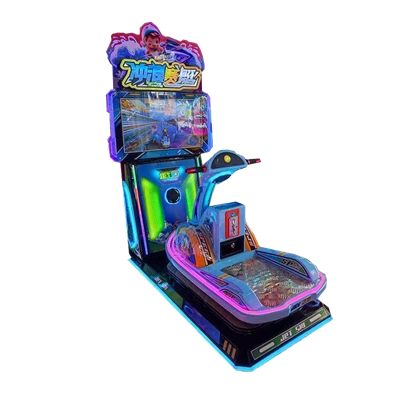
For B2B buyers, purchasing prize machines involves more than checking the price, design, and game features. Buyers should also consider how easy the machines will be to maintain after they are put into operation. Even if two machines offer similar features, a machine that is easier to inspect, clean, and repair may save more time and labor over the long term.
For distributors, wholesalers, family entertainment centers (FECs), and arcade operators, maintenance needs affect machine downtime, service work, and operating costs. Manufacturers can make prize machines easier to maintain through better internal layouts, standard parts, clear repair instructions, and proper quality checks.
When choosing a prize machine manufacturer, B2B buyers should look beyond whether the machine works at delivery. They should also understand how the manufacturer designs and builds equipment for easier maintenance over time.
How Does Machine Design Affect Maintenance?

Make Key Components Easy to Access
The internal layout of a prize machine can directly affect how difficult it is to inspect and repair. If the power supply, control board, motor, or sensor is blocked by other parts, technicians may need to remove several components before they can check the problem. This adds repair steps and may increase labor costs.
Manufacturers can arrange internal components in a practical way so that common inspection points and parts that need regular replacement are easier to reach. When reviewing a sample machine or product video, buyers can check whether the service panels are easy to open, whether parts are clearly placed, and whether technicians need to remove large sections of the cabinet to inspect the wiring.
For bulk orders, buyers should also confirm whether different models have very different internal layouts. A well-planned design helps repair staff find the right parts faster and makes it easier for operators to manage multiple machines.

Use a Practical Structure for Routine Cleaning
Prize machines can collect dust, fingerprints, and other dirt during daily use. Some models may also need regular cleaning inside the cabinet, checks around ventilation areas, or removal of debris that could affect sensors and moving parts. If cleaning requires removing many components, staff may be less likely to complete routine maintenance on time.
Manufacturers can make cleaning easier by designing practical cabinet panels, service openings, and removable parts. Buyers should ask which areas need regular cleaning, whether special tools are required, and which parts should not come into direct contact with cleaning liquids.
For machines installed in malls, family entertainment centers, and arcade game areas, simple cleaning procedures can help staff follow a regular maintenance schedule. Buyers should confirm that the manufacturer provides cleaning instructions for the specific model instead of only a basic user manual.

Reduce Unnecessary Steps When Replacing Parts
Some repairs are simple, but replacing a small part can take much longer if several nearby components must be removed first. Repeated disassembly may also increase the risk of loose connectors, damaged wires, or broken cabinet parts.
Manufacturers can reduce unnecessary repair steps by using practical mounting methods, clear wiring connections, and parts that are easy to remove and install. For example, when replacing a common sensor or button, technicians should be able to find the part in the product documents and follow clear instructions for removing and installing it.
Buyers can ask which parts are commonly replaced and what tools or technical skills are needed for these jobs. If possible, they can request a repair video or a live demonstration. This gives buyers a better way to judge maintenance needs than relying only on a manufacturer's claim that a machine is easy to maintain.
How Can Standard Parts Make Maintenance Easier?
Use Consistent Parts Across Similar Models
If machines in the same product line use many different sizes of buttons, connectors, or other components, operators may need to keep more types of spare parts in stock. This makes inventory harder to manage and increases the chance of choosing the wrong part during a repair.
When the design allows it, manufacturers can use the same common parts across similar models. However, buyers should not assume that machines with similar appearances use the same internal components. Different versions of control boards, power supplies, or sensors may not be compatible.
Businesses planning to purchase several machines can request a list of the main components and confirm which parts can be shared across models. This can help reduce the number of spare parts they need to manage and make future reorders easier.
Make Replacement Parts Easy to Identify
Repair staff need to identify the faulty part before ordering a replacement. If parts have no clear numbers, specifications, or model details, buyers may need to send photos back and forth with the manufacturer to confirm which part they need. This can delay repairs.
Manufacturers can make parts easier to identify by providing part numbers, spare parts lists, product diagrams, and model records. For machines with different configurations or custom features, the related part versions should also be clearly recorded.
Before placing an order, B2B buyers can ask whether the manufacturer provides a list of main spare parts and how to confirm compatibility when ordering replacements. This is especially important for overseas buyers because ordering the wrong part can add international shipping costs and increase waiting time.
Plan for Long-Term Spare Parts Availability
A machine's maintenance needs depend not only on its design but also on whether suitable replacement parts will remain available. If key parts become unavailable after a machine has been in use for some time, the machine may be difficult to repair even when the repair itself is simple.
Manufacturers should explain how common spare parts are supplied and how they support existing machines when product designs or part specifications change. Buyers can ask which parts are worth keeping in stock, which parts may take longer to replace, and whether suitable alternatives are available for older models.
For distributors, wholesalers, and brand owners, long-term parts availability also affects their ability to support end customers. Understanding these arrangements before purchasing helps businesses plan inventory and after-sales service.
How Can Manufacturers Improve Maintenance Through Quality Control?

Check Wiring and Connections Before Delivery
Wiring problems can prevent a machine from starting, cause unstable operation, or stop individual components from working. If these problems are not found before delivery, customers may need to spend extra time inspecting and repairing the machine after it arrives.
Manufacturers can check wiring connections, connector security, and the installation of electrical components during assembly. Electrical safety checks should also follow the relevant product requirements and safety procedures.
B2B buyers can ask what the factory checks after assembly and whether finished machines go through power-on and function tests. For bulk orders, buyers can also ask how inspection results are recorded and what happens when a problem is found. A clear quality control process can help reduce after-sales work caused by assembly problems.

Test Moving Parts and Game Functions
Motors, sensors, buttons, and other moving parts can affect how a prize machine works. If the factory only checks whether the machine powers on without testing its actual game functions, some problems may not appear until the machine is in use.
Manufacturers can test startup, game controls, moving parts, and other functions based on the machine's design. For models with frequent movement or several steps in a game, buyers can also ask whether the factory performs repeated operation tests and records any problems found.
Before purchasing, buyers should understand the factory's function testing process rather than checking only whether the product looks complete. Tests should match the machine's actual features so that problems that may affect later maintenance have a better chance of being found.

Keep Product Specifications Consistent Across Orders
For B2B buyers who place repeat orders, consistent product specifications make maintenance easier. If the control board, wiring components, or other key parts change between production batches without clear records, buyers may find that their existing repair documents no longer match the machines.
Manufacturers can help maintain consistency by keeping product specifications, tracking part versions, and confirming order details. If a part must be replaced with a different version or the design is updated, the manufacturer should explain the change and provide the necessary repair information.
This is especially important for distributors and brand owners who need to support machines sold in different batches. Before ordering, buyers can ask how the manufacturer manages product versions and how technicians can confirm the exact configuration of a machine when repairs are needed.
What Maintenance Information Should a Manufacturer Provide?
Provide Clear Maintenance Manuals
A maintenance manual should explain which areas need inspection, how often maintenance should be performed, and what precautions staff should follow. If the manual only explains basic operation and does not cover maintenance, customers may find it difficult to create a suitable inspection routine.
Manufacturers can provide cleaning instructions, routine inspection lists, common troubleshooting steps, and part replacement guidance for each model. The documents should match the actual machine and its configuration.
B2B buyers can request a sample maintenance manual before purchasing. They should check whether the instructions are clear, whether the steps are easy to follow, and whether useful diagrams are included. For operators managing several machines, consistent maintenance documents help staff follow the same process across the equipment.
Use Photos and Videos to Explain Repair Steps
Written instructions may not be enough to help customers locate internal parts, especially when overseas buyers are unfamiliar with a specific model. Clear photos, wiring diagrams, and repair videos can show where parts are located, how they connect, and what checks need to be completed.
For example, when replacing a button, checking a sensor, or inspecting a wire connection, the manufacturer can mark the relevant area in a photo and explain each step in order. This reduces confusion and helps customers avoid removing parts that do not need attention.
Buyers can ask whether the manufacturer provides repair materials for the exact model they purchase and whether these documents are updated when the product changes. However, work involving high voltage or complex electrical repairs should still be handled by qualified technicians.
Explain Common Faults and Basic Troubleshooting
When a machine develops a problem, customers usually need to identify the type of fault before deciding what to do. If the manufacturer provides basic troubleshooting instructions, repair staff can complete the first checks and then decide whether a part replacement or technical support is needed.
For example, if a machine will not start, staff can follow the product instructions to check the power supply and related connections. If the machine starts but one game function does not work, they can inspect the relevant components based on the model. Troubleshooting instructions should explain the order of checks and when staff should stop and seek professional help.
For B2B buyers, checking the quality of these documents before purchasing helps them estimate how much outside support they may need and what skills their own repair staff should have.
What Should B2B Buyers Check Before Ordering Prize Machines?
Ask for a Maintenance Demonstration
Product descriptions and marketing materials can show what a machine does, but they may not reveal how difficult it is to maintain. When possible, buyers can ask the manufacturer to demonstrate how to open a service panel, inspect common parts, and complete a routine maintenance task.
During the demonstration, buyers can check whether special tools are needed, whether the steps are clear, and whether the machine can be put back together correctly after the work. For bulk orders, buyers should also confirm that the machines they will receive use the same main design and parts as the sample machine.
This practical check can help buyers find maintenance concerns before purchasing instead of discovering them after the machines arrive at their locations.
Confirm Spare Parts and Technical Support Together
An easy-to-maintain design cannot replace a reliable parts supply or technical support. Even if common parts are easy to remove, the machine may remain out of service if the correct replacement is unavailable or the customer cannot get the right repair guidance.
Buyers should therefore confirm spare parts availability, ordering methods, technical support channels, and warranty terms together. For overseas orders, they should also understand shipping arrangements for replacement parts and what help the manufacturer can provide when more complex faults occur.
For distributors and wholesalers, machine design, spare parts supply, and after-sales support should be evaluated as parts of the same service plan.
Consider Maintenance Needs Across the Entire Order
When purchasing several prize machines, buyers should consider more than the maintenance needs of a single unit. If different models use different parts, manuals, and repair procedures, staff training, inventory management, and after-sales work may become more complicated.
Before placing an order, buyers can request the main parts lists, maintenance documents, and spare parts information for each model. They should also confirm which parts can be shared across models. If the order includes custom configurations, the related specifications and maintenance requirements should be recorded as well.
Organizing this information before delivery helps businesses create a consistent maintenance process and prepare for future equipment purchases.
Conclusion
For B2B buyers, the ease of maintaining a prize machine affects repair time, spare parts inventory, labor costs, and long-term operating efficiency. Manufacturers can make their machines easier to maintain through practical internal layouts, easy-to-replace parts, standard components, quality checks before delivery, and clear maintenance documents.
Before purchasing, buyers should check whether key parts are easy to access, repair steps are clear, spare parts will remain available, and technical support is provided. For bulk orders, they should also confirm that product specifications and repair documents remain consistent across production batches.
When choosing a prize machine manufacturer, buyers should consider not only the condition of the machine at delivery but also how easy it will be to inspect, repair, and manage over time. For distributors, wholesalers, and operators, these details can help control maintenance costs and make daily operations easier to manage.