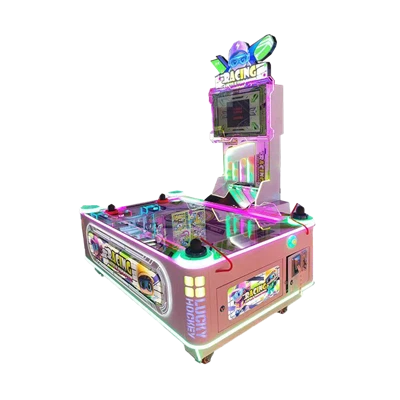
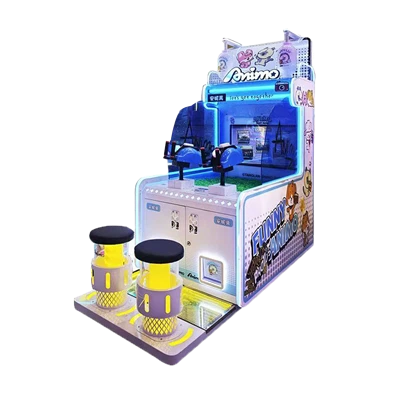
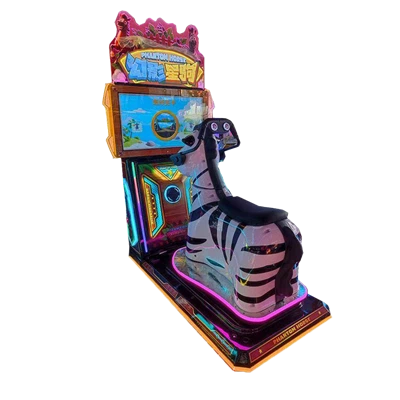
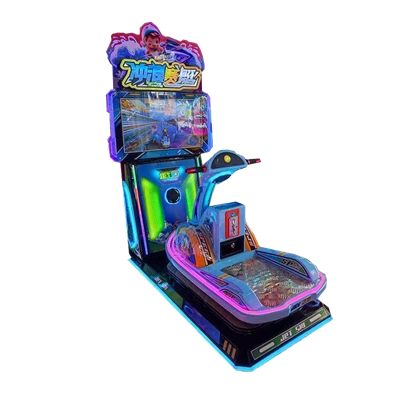
For B2B buyers, ordering commercial prize machines involves more than choosing the right product. Buyers also need to confirm that the manufacturer can meet their requirements, deliver the order on time, and provide support after delivery. Machine design, features, and price are important, but unclear specifications, incompatible parts, or missing after-sales plans can lead to extra costs and operating problems.
For distributors, wholesalers, family entertainment centers (FECs), and arcade operators, bulk orders also involve product consistency, spare parts, shipping arrangements, and long-term maintenance. Before paying a deposit or confirming an order, buyers should check the product specifications, factory production capacity, quality control process, delivery terms, and after-sales support.
Checking these details early can help buyers avoid misunderstandings, better assess purchasing risks, and prepare for daily operations.
What Product Specifications Should Buyers Verify?
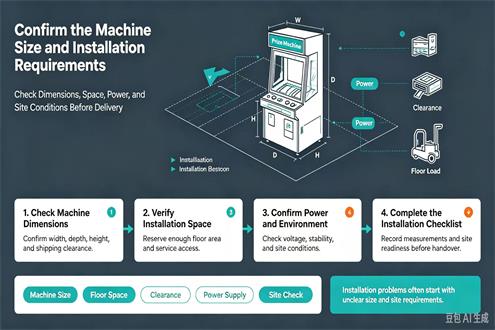
Confirm the Machine Size and Installation Requirements
Before ordering commercial prize machines, buyers should confirm the actual dimensions, weight, and installation requirements. Product photos may not show how much space a machine needs, and different models may have different requirements for shipping, handling, and placement.
If the machine will be installed in a shopping mall, FEC, arcade, or retail store, buyers should make sure it fits the planned location. They should also check whether doorways, access routes, and installation areas provide enough space. For projects involving multiple machines, buyers need to consider the distance between units, player space, and room for maintenance.
Ask the manufacturer for dimension drawings, package dimensions, and weight details. Confirm whether the machine needs special power connections or other installation conditions. These details should be checked before ordering, not after the equipment arrives and the site needs to be changed.
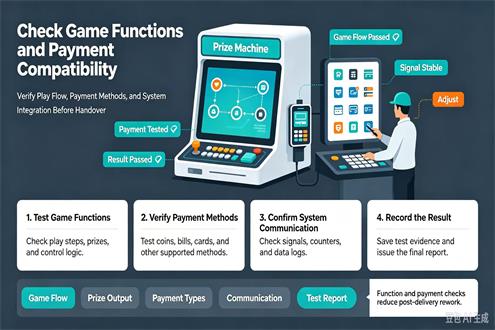
Check Game Functions and Payment Compatibility
The functions of a commercial prize machine affect the player experience and determine whether the machine fits the buyer's business model. Buyers should confirm the available game features, operating methods, and adjustable settings. They should also make sure these functions meet the needs of the planned location.
Payment options also need to be checked in advance. Different models may support different payment setups, such as coin acceptors, token systems, or other payment devices. Buyers should not assume compatibility based only on product photos or sales descriptions. Instead, they should confirm which payment components are included and whether any extra parts need to be purchased.
If the machine must connect to an existing payment or venue management system, buyers should ask the manufacturer about compatibility requirements. For bulk orders, it is best to record the approved game functions and payment setup in the product specification document. This helps prevent confusion when the machines are delivered.
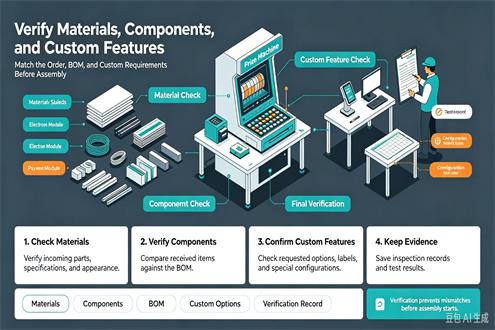
Verify Materials, Components, and Custom Features
Even when two prize machines look similar, they may use different internal parts, cabinet materials, and configurations. Buyers should understand the main materials, key components, and technical specifications, especially those that affect durability, maintenance, and long-term use.
If an order includes custom designs, brand logos, lighting effects, game settings, or other special features, buyers should confirm which changes are possible. They should also ask whether customization will affect the price, production time, or future spare parts supply.
Before confirming the order, buyers can request a specification sheet, configuration drawings, or sample product information. The final approved version should be recorded clearly. For distributors and brand owners who plan to sell the same model over time, accurate configuration records also make future reorders and repairs easier.
How Can Buyers Verify a Manufacturer's Production Capability?
Check Whether the Factory Can Handle Your Order Volume
For wholesalers, distributors, and large entertainment projects, the manufacturer's ability to complete the order as agreed is an important factor. Factory equipment and production lines can offer useful information, but buyers should also ask about actual production capacity, current order schedules, and expected lead times.
Ask whether the factory follows a stable production process, how it schedules different models, and how it tracks progress on bulk orders. If the order includes several models or custom configurations, confirm that the factory can produce every unit according to the approved specifications.
Do not judge delivery capability based only on factory size or promotional materials. A more practical approach is to request a production plan, a confirmed lead time, and key production milestones related to the order. This helps buyers decide whether the manufacturer can handle the current order and future repeat purchases.
Confirm Quality Control During Production
Product quality should not be checked only after manufacturing is complete. Assembly, wiring, component installation, and function testing can all affect how a commercial prize machine performs during use.
Buyers should ask which items the manufacturer checks during production and whether each finished machine receives appearance, function, and relevant safety checks before shipment. For models that use motors, sensors, and control systems, buyers can also ask how these parts are tested and how problems are handled when they are found.
For bulk orders, buyers should confirm whether the factory records inspection results and how it handles products that do not meet the agreed specifications. For large or complex orders, they can also discuss sample approval, production inspections, or pre-shipment checks before production begins.
Ask How Product Changes Are Managed
If buyers plan to order the same prize machine regularly, they should understand how the manufacturer manages product specifications and component versions. Changes to control boards, sensors, or other key parts during production may affect compatibility, repair methods, and future spare parts orders.
Ask whether the manufacturer keeps records of product versions and informs customers before replacing parts or changing the design. If a change may affect machine functions, appearance, or maintenance, its impact should be confirmed before the change is made.
Consistent product configurations are especially important for distributors and brand owners who need to provide after-sales support for machines from different production batches. Clear version records help reduce confusion during repairs and reorders.
What Should Buyers Verify About Delivery and Packaging?
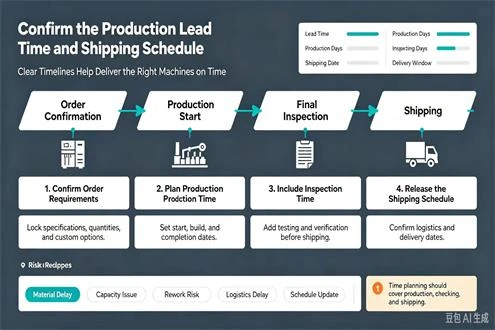
Confirm the Production Lead Time and Shipping Schedule
Before confirming an order, buyers should understand how long production will take and when the machines are expected to be ready for shipment. Production time may depend on order volume, customization requirements, component availability, and the factory's current schedule. Buyers should not rely on an unconfirmed delivery date.
Ask the manufacturer to explain the expected production time, shipping schedule, and communication process if delays occur. Buyers with store opening dates, trade shows, or project installation deadlines should also allow enough time for shipping, customs clearance, and site preparation.
If the order will be delivered in several batches, confirm the quantity and expected shipping date for each batch. A clear schedule helps buyers coordinate site preparation, staffing, and sales plans.
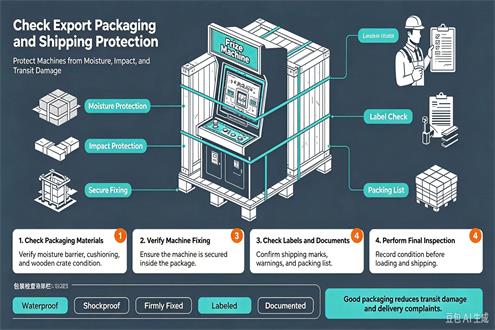
Check Export Packaging and Shipping Protection
Commercial prize machines may contain glass, screens, lighting parts, control boards, and other components that need protection during transport. If the packaging does not fit the machine's design, the equipment may arrive with scratches, broken parts, or loose components.
Buyers should confirm the manufacturer's packaging method and ask whether protection is designed for the machine's size and fragile parts. They should also make sure the packaging is suitable for the planned shipping method. For long-distance sea shipments, buyers can ask how the manufacturer protects the machines from handling impacts and transport conditions.
In addition, buyers should confirm whether package dimensions, gross weight, packing quantities, and shipping documents can be provided in advance. This information helps with logistics planning, freight cost estimates, unloading, and storage at the destination.
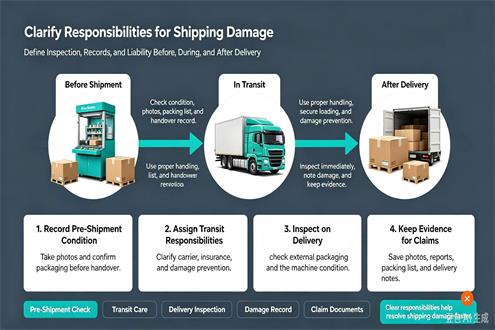
Clarify Responsibilities for Shipping Damage
International shipping may involve the manufacturer, logistics company, freight forwarder, and buyer. If the packaging is damaged or a machine has a problem on arrival, responsibility may depend on the contract terms, shipping arrangements, and insurance coverage.
Before ordering, buyers should confirm how shipping responsibilities are divided, whether shipping insurance is arranged, and what evidence is needed to report damage. After receiving the shipment, they should inspect the packaging and equipment as agreed, record any visible damage promptly, and keep photos, videos, and shipping documents.
For bulk orders, buyers should also understand how to report missing items, damaged products, or machines that do not match the order specifications. They should confirm which issues are handled by the manufacturer and which are handled by the shipping provider. Clear arrangements make it easier to find the right solution if a shipping problem occurs.
What Warranty and After-Sales Support Should Buyers Confirm?
Review the Warranty Coverage and Exclusions
Buyers should confirm the warranty period, covered parts, exclusions, and any costs related to repairs or replacement parts. Even when two manufacturers offer the same warranty period, the actual coverage may be different.
For example, some electrical components may be covered, while normal wear, incorrect operation, or damage caused by unauthorized changes may not be included. Buyers should also check when the warranty begins and whether shipping costs are covered when warranty service is needed.
Keep the final warranty terms in the purchasing documents. For bulk orders or custom models, confirm whether the same terms apply to every model to avoid disagreements later.
Confirm Technical Support and Replacement Parts Availability
Once machines are in operation, buyers may need technical advice, repair instructions, or replacement parts. Without a clear support channel, even a simple fault can keep a machine out of service longer than necessary.
Before ordering, buyers should confirm who handles after-sales issues, how technical support can be reached, and whether the manufacturer provides troubleshooting steps, product manuals, and repair information. For overseas orders, time zone differences and spare parts shipping times should also be considered.
Buyers should also learn how to identify and order common replacement parts and whether matching parts will remain available in the future. Operators with multiple machines may want to keep some key spare parts on hand based on how often the machines are used and how long replacement parts take to arrive.
Understand How Service Issues Are Handled
Beyond warranty coverage, buyers should understand what happens after the manufacturer receives a fault report. A clear process usually includes collecting the machine model and fault details, guiding the buyer through initial checks, deciding on a repair plan, and providing parts or further technical advice when needed.
Ask how the manufacturer follows up on unresolved problems. Buyers should also know what to do if replacing a part does not solve the issue. For distributors, understanding this process makes it easier to support their own customers.
For large orders, buyers can ask whether the manufacturer keeps records of each machine's model, configuration, and repair history. A clear service process reduces repeated communication and makes long-term maintenance easier to manage.
What Order Terms Should Buyers Confirm Before Payment?
Check the Full Price and Included Items
When comparing quotes from different manufacturers, buyers should confirm exactly what each price includes. A quote may cover the machine itself, selected accessories, customization, packaging, and other agreed items. Different suppliers may include different items in their prices.
Ask the manufacturer for a clear price breakdown. Confirm which parts and services are included and which require extra payment. If the order includes brand customization, special configurations, or additional repair parts, the related costs should be listed separately.
For bulk orders, buyers should also ask whether different order quantities qualify for different prices and how prices and configurations will be confirmed for future orders. This makes it easier to compare the total purchasing cost across suppliers.
Confirm Payment Terms and Order Changes
Payment methods, deposit amounts, final payment arrangements, and order change rules should all be confirmed before payment. Buyers also need to understand whether changes to quantities, specifications, or custom features after production starts will affect the price or delivery schedule.
For custom prize machines, design drawings, colors, brand logos, and game configurations should be approved by both parties before production. If an order includes several models, the quantity and requirements for each model should be clearly recorded to prevent production mistakes.
It is best to include payment milestones, production requirements, and order change procedures in the order documents. This gives both parties a shared record to use when checking progress and responsibilities.
Keep All Approved Specifications in the Order Documents
Product photos, chat messages, and verbal discussions may contain important details. However, if the final specifications are not recorded in one clear document, misunderstandings can occur during production or delivery checks.
Buyers should keep the final approved product specifications, custom design files, main component configurations, packaging requirements, delivery schedule, and warranty terms. For large or repeat orders, they should also confirm whether a new sample approval is needed when specifications or designs change.
These documents help buyers check the delivered products and provide a clear reference for future repairs, reorders, or additional purchases.
Conclusion
Before ordering commercial prize machines, B2B buyers should check more than the price and appearance. They should verify product specifications, production capacity, quality control, delivery arrangements, warranty coverage, after-sales support, and order terms. These details affect whether the machines meet operating needs and how much they may cost to maintain over time.
For distributors, wholesalers, FECs, and arcade operators, checking these points in advance can help reduce order errors, delivery delays, and after-sales communication problems. For custom or bulk orders, buyers should keep the final approved specifications and written service commitments so that production, acceptance, and future support are based on clear requirements.
When choosing a prize machine manufacturer, buyers should focus on whether the company communicates clearly, produces according to the approved specifications, and provides useful technical support and replacement parts after delivery. A well-planned purchasing process supports long-term operations and a reliable business relationship.