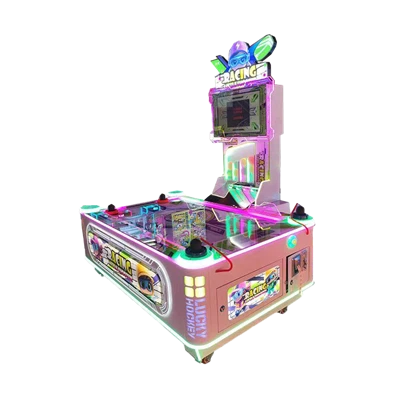
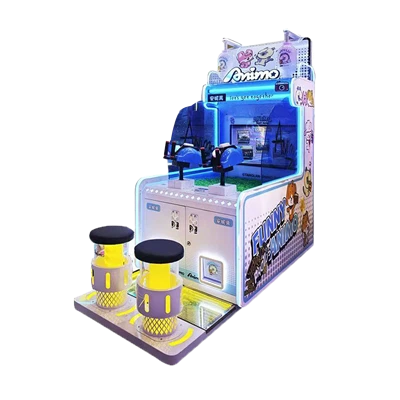
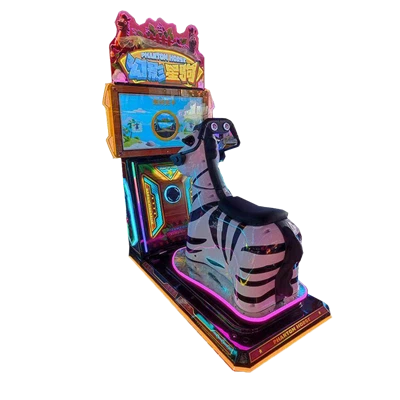
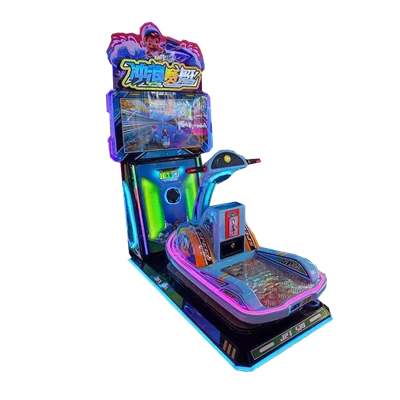
In arcades, family entertainment centers (FECs), shopping malls, and other commercial venues, prize machines often operate for long hours and serve many players every day. Compared with machines used less often, commercial prize machines need to handle frequent operation, regular player interaction, and the wear that comes with daily use.
The cabinet is an important part of a prize machine. It does more than give the machine its appearance. Its design and quality affect the machine's stability, safety, service life, and maintenance costs. For wholesalers, importers, and arcade operators, choosing a cabinet for heavy commercial use means looking beyond its appearance and price. They also need to consider its materials, frame structure, internal layout, and manufacturing quality.
Strong Cabinet Materials That Can Handle Daily Use
Cabinet materials are the foundation of a prize machine's durability. In commercial locations, machines are used frequently, and players regularly touch the cabinet surface, buttons, control areas, and other external parts. The cabinet must be strong enough to handle daily contact, minor impacts, scratches, and long-term wear.
Choose Materials Based on the Machine's Application
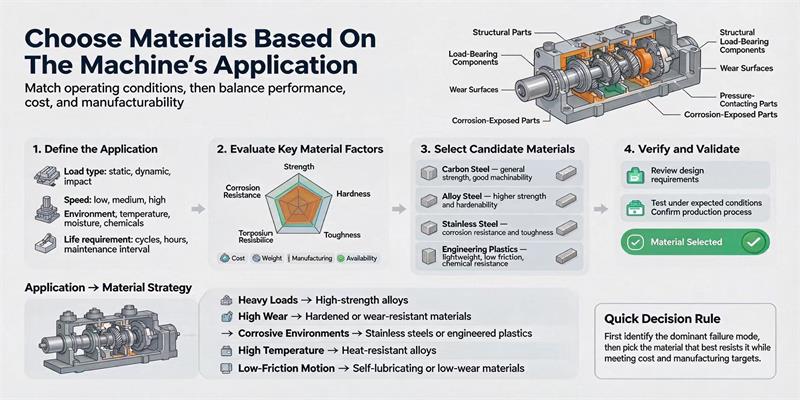
Different types of prize machines may require different cabinet materials. Metal structures are often used in areas that need strong support, while tempered glass, acrylic, and other clear materials are common in display areas where players need to see the prizes inside. Buyers should check whether each material is suitable for its intended position based on the machine type, size, and operating environment. The material name alone does not tell the whole story. Its thickness, quality, and actual use also matter.
Check Surface Finishing and Wear Resistance
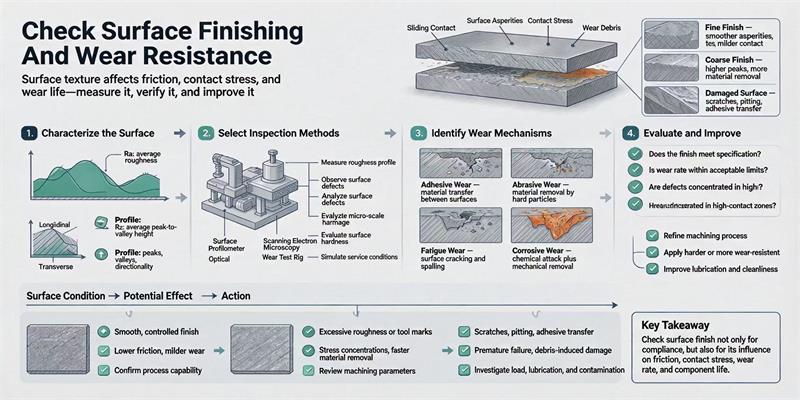
The cabinet's paint, coating, and decorative finishes also affect its long-term appearance. In busy commercial locations, the surface may be touched, cleaned, and exposed to minor impacts many times a day. Poor surface treatment can lead to scratches, peeling paint, fading, or loose edges over time. Buyers can ask the manufacturer for actual product photos or a sample machine. They should check whether the finish is even, whether the corners are properly treated, and whether regular cleaning could damage the surface.
A Stable Cabinet Structure That Supports Heavy Use
Even when a cabinet uses good materials, poor structural design can still cause problems during long-term operation. A commercial prize machine must support its own weight, as well as the weight of its internal mechanical parts, screens, electrical systems, and prizes.
Check the Frame and Internal Support Structure
The internal frame and support structure help keep the entire machine stable. Buyers should pay attention to the bottom support, vertical frame sections, connection points, and load-bearing parts. These areas must be strong enough to support the machine and its internal components. For larger machines or models with heavy mechanical systems, buyers should also check whether important joints use reliable fastening methods. This helps reduce the risk of loose connections and structural changes after long periods of use.
Make Sure the Machine Stays Stable During Operation
Prize machines may produce some vibration during operation. Players may also apply force when using buttons, joysticks, or other controls. If the base is not properly designed, the machine may shake, move, or tilt. This can affect the player experience and put extra stress on internal components. During sample testing, buyers should check whether the cabinet stays steady while the machine is running and whether the bottom provides enough support.
A Cabinet Design That Protects Internal Components
A prize machine cabinet is not just an outer shell. It also protects important internal parts, including the control system, power supply, wiring, and mechanical components. If the internal layout is poorly designed, wires may become crowded, parts may interfere with each other, and repairs may become more difficult.
Keep Electrical Components and Wiring Properly Organized
Electrical parts and wires need suitable installation spaces and proper fixing methods to reduce movement and wear. For machines that run for long hours, messy wiring can make repairs harder and increase the risk of wires being pulled, pressed, or damaged. Buyers can ask the manufacturer to show the inside of the cabinet and check whether the wiring is organized, connections are secure, and power and control components have clearly planned positions.
Provide Enough Space for Heat Dissipation
Some prize machines contain screens, lights, power supplies, and other electronic parts that produce heat during operation. If the cabinet is too crowded or does not have enough ventilation, heat may build up inside and affect the performance of electronic components. Buyers should confirm that the manufacturer has planned enough space for airflow and heat dissipation based on the internal layout. This is especially important for machines designed to operate for long hours in commercial locations.
Easy Access for Maintenance and Repairs
For arcade operators, a machine problem is not always the biggest concern. The real issue is often how long repairs take and how difficult the maintenance process is. If the cabinet is not designed with maintenance in mind, technicians may need to remove several outer panels just to reach one small component. This increases repair time and labor costs.
Check Whether Key Components Are Easy to Reach
Common parts that may need inspection or replacement include the power supply, control board, wiring connectors, and mechanical components. These parts should be easy to reach through suitable service areas. Before placing an order, buyers should ask the manufacturer whether routine repairs require removing large sections of the cabinet and whether common faulty parts can be accessed and replaced quickly. For customers buying multiple machines, these details can make a real difference in long-term maintenance work.
Make Replacement and Cleaning More Convenient
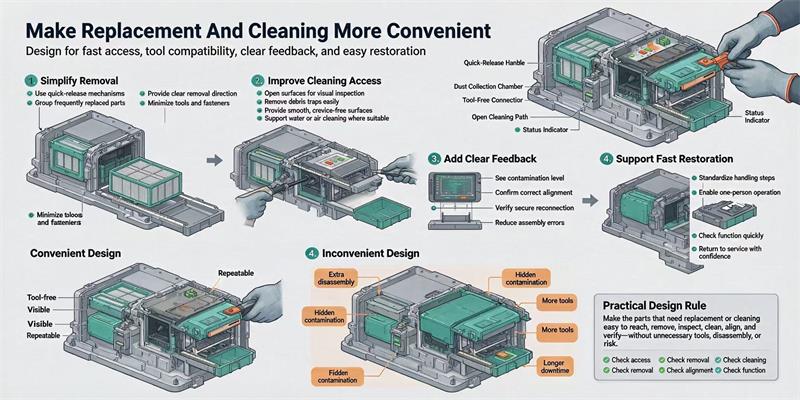
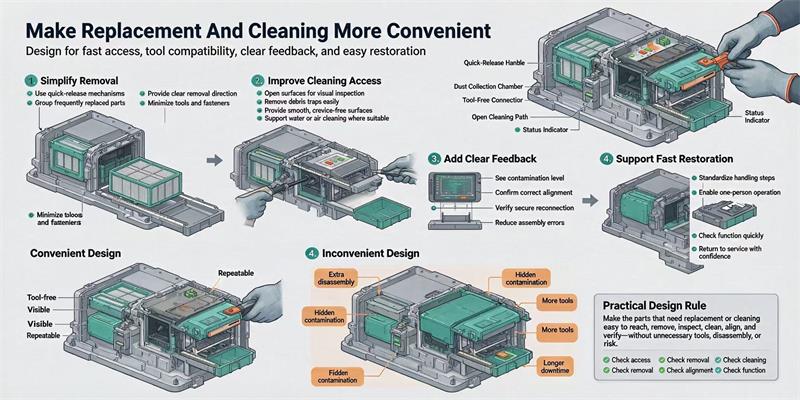
Commercial prize machines need regular cleaning, and some external parts may need replacement over time. These can include glass panels, lights, buttons, and other cabinet parts. If these parts are difficult to remove, routine maintenance becomes more complicated. Buyers should check how cabinet panels, service doors, and removable parts are fixed. They should be secure during normal operation while still allowing technicians to remove or replace them when needed.
Safety Features for Public Commercial Locations
Prize machines are usually placed in public entertainment areas where players can access them directly. Cabinet design must therefore include basic safety considerations. In shopping malls, arcades, and family entertainment centers, machines may be used by people of different ages. Poor cabinet construction or loose parts can create unnecessary safety risks.
Pay Attention to Edges, Doors, and Glass Panels
Cabinet edges, service doors, and clear display panels are important areas to inspect. Edges should be properly finished to avoid sharp or rough areas. Doors and panels must be securely installed so they do not come loose during normal use. For machines with glass panels, buyers should also confirm that the glass material and installation method are suitable for the machine's intended commercial environment.
Make Sure the Cabinet Can Be Secured Properly
Cabinet locks, service doors, and internal access panels also affect machine security. For commercial operators, reliable locking systems help prevent unauthorized access and protect internal electrical parts, prizes, and other important components. Buyers should check the lock positions, how the doors close, and whether service areas can be opened accidentally. They can also ask the manufacturer to explain the cabinet's security design.
Reliable Manufacturing Quality and Consistency
A sample machine with a well-made cabinet does not always mean that every machine in a bulk order will have the same quality. For wholesalers and importers, production consistency is just as important as the quality of a single unit. Differences in materials, dimensions, frame structure, or surface finishing between production batches can affect product quality, installation, and after-sales service.
Check the Manufacturer's Cabinet Production Process
Buyers should learn how the manufacturer controls each stage of cabinet production, including material processing, cutting, welding, assembly, surface finishing, and final inspection. A clear production process helps reduce problems such as incorrect dimensions, weak connections, and poor surface quality. For customers planning long-term purchases, it is also useful to ask whether the factory follows fixed quality standards and checks important structural and assembly points before shipment.
Confirm Consistency Between Samples and Bulk Orders
Before placing an order, buyers should confirm the sample machine's material specifications, cabinet dimensions, surface finish, and key design details. These requirements should serve as the reference for bulk production. For customized machines, buyers should also confirm that the manufacturer will not change the cabinet materials, internal layout, or external structure without approval. This helps reduce differences between the approved sample and the final order and makes it easier to maintain consistent quality across repeat orders.
Consider Long-Term Operating Costs, Not Just Cabinet Price
When comparing prize machines, buyers may focus first on the unit price. However, cabinet quality also affects long-term operating costs. A low-cost cabinet that is easy to damage, difficult to repair, or requires frequent part replacement may lead to higher maintenance expenses and more downtime.

Compare Durability With the Initial Purchase Cost
Buyers should compare more than the material cost of a cabinet. They also need to consider structural strength, surface durability, ease of repair, and the expected operating environment. For example, a prize machine in a busy arcade may need to handle more daily use and player contact than a machine in a low-traffic location. Buyers should choose cabinet specifications based on actual operating needs rather than assuming that the lowest price offers the best value.
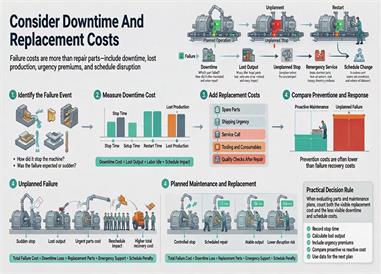
Consider Downtime and Replacement Costs
If a cabinet becomes badly bent, a panel breaks, or an internal structure becomes loose, the machine may need repairs or could be taken out of service. For operators with many machines, even small repair costs can add up when the same problems happen repeatedly. Before purchasing, buyers should check whether the manufacturer can provide replacement parts, repair instructions, and after-sales support. It is also useful to understand how common cabinet parts are replaced and whether they are easy to obtain.
Conclusion
A prize machine cabinet suitable for heavy commercial use needs more than good materials and a strong frame. It should also protect internal components, provide enough space for heat dissipation, allow easy maintenance, and meet the safety needs of public entertainment locations. For wholesalers, importers, and arcade operators, the manufacturer's production capacity and ability to maintain consistent quality across bulk orders are also important.
Before placing an order, buyers should inspect a sample machine based on its intended operating environment. They should check the cabinet materials, internal structure, key connection points, and maintenance access. They should also confirm whether the manufacturer can maintain the same quality standards in future orders. Choosing a well-designed commercial prize machine cabinet can help reduce unnecessary repairs and downtime while supporting more reliable long-term operation.