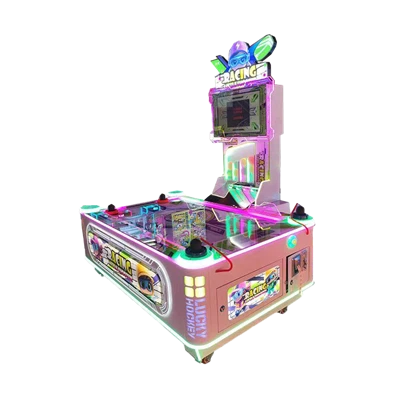
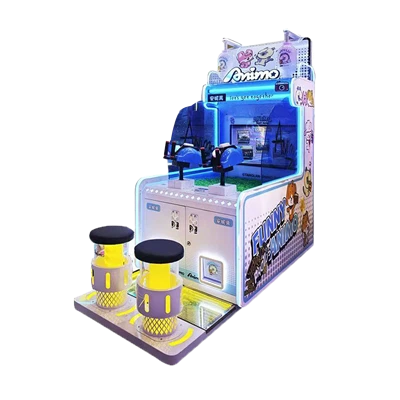
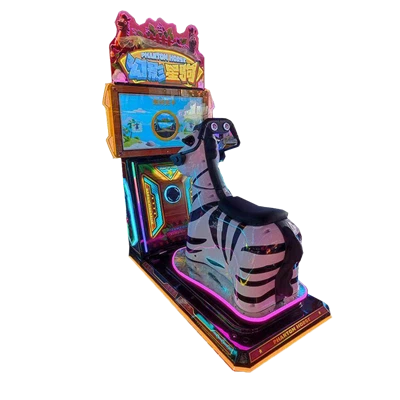
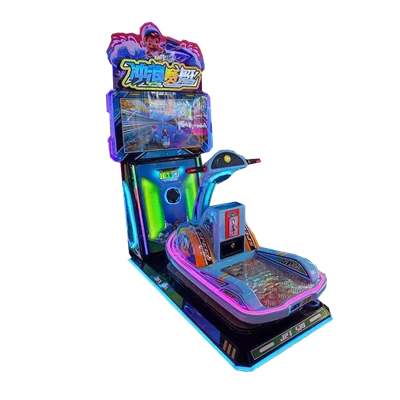
In wholesale markets, a competitive prize machine product line is about more than the number of products a manufacturer offers. It also depends on how well the products meet the needs of different customers. Wholesalers and importers often serve many types of buyers, including arcade operators, family entertainment centers, retailers, and regional distributors. These customers may have different requirements for machine types, prices, appearance, features, and maintenance.
If a manufacturer offers only a few models, buyers may find it difficult to meet the needs of different markets. On the other hand, having a large product catalog does not always mean the product line is competitive. If the products lack clear market positioning, stable quality, and reasonable pricing, they may still be difficult to sell.
For B2B buyers, a competitive prize machine product line should offer a well-planned product range, consistent production quality, flexible customization, and reliable after-sales support. The manufacturer should also be able to update its products as market needs change instead of relying on only a few popular models.
So, what makes a prize machine product line suitable for wholesale markets? Here are several important points buyers should consider.
Offer a Product Range That Meets Different Market Needs
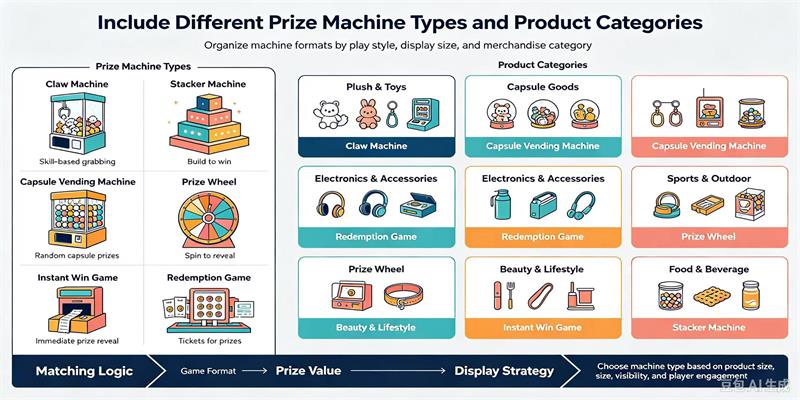
Include Different Prize Machine Types and Product Categories
For wholesalers and importers, product variety directly affects the range of customers they can serve. Different venues may need different types of prize machines, such as claw machines, gift machines, cutting machines, gashapon machines, and other prize redemption equipment. If a manufacturer only offers one type of machine, buyers may need to work with other suppliers when customers require several types of equipment for the same project.
A competitive product line should cover several related categories while giving each category a clear purpose. Buyers can check whether the manufacturer offers suitable products for different venues and customer groups. For wholesalers looking to expand their purchasing range, sourcing several related product categories from one manufacturer may also make supplier management and order communication easier.
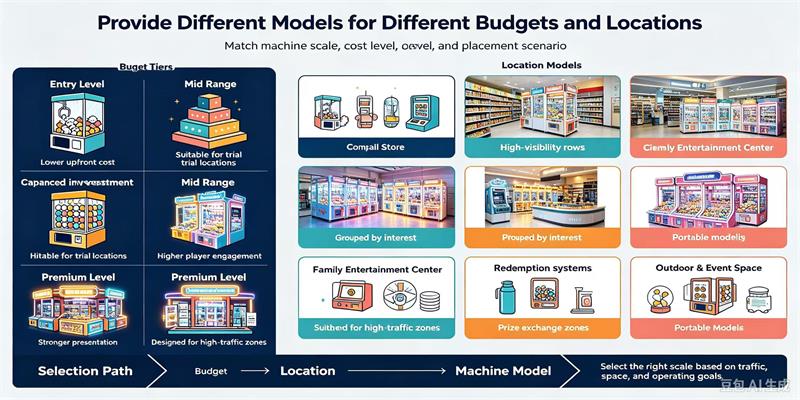
Provide Different Models for Different Budgets and Locations
Even within the same prize machine category, customers may have different requirements for machine size, features, and price. For example, a small retail store may care more about floor space and the initial purchase cost, while a large arcade may focus on visual design, game features, and long-term performance. If a product line only offers high-end or expensive models, it may miss customers with smaller budgets.
Buyers should check whether the manufacturer offers different sizes, configurations, and price levels. This gives distributors more choices when recommending machines based on customer budgets and venue conditions. They should also check whether the differences between models are clear in terms of features and configurations. A well-organized product range helps wholesalers serve more customers without asking everyone to buy the same type of machine.
Build a Product Line With Clear Market Positioning
Make Each Model Serve a Specific Customer Group
Having many products does not automatically make a product line competitive. If different models have few clear differences, buyers may find it difficult to explain their advantages or decide which products to promote. A well-planned product line should give each model a clear target customer and suitable use case.
For example, some machines may be designed for small retail spaces, with a focus on compact size and simple operation. Other models may target large arcades and offer more game features and eye-catching designs. For wholesalers, clear product positioning makes it easier to recommend the right model to each customer and reduces unnecessary competition between similar products. When reviewing a product line, ask the manufacturer to explain the main features, suitable locations, and configuration differences of each model.
Avoid Too Many Models With Similar Features
A large number of similar models may make a product catalog look more complete, but it can make sales decisions harder. If several machines only differ in color, decoration, or a few small features while offering almost the same functions and user experience, wholesalers may struggle to decide which model to promote. Too many similar products can also make inventory management, spare parts purchasing, and after-sales support more complicated.
Compare the size, main functions, hardware, price, and target market of each model. This helps you decide whether every product has a clear purpose. If some models offer very few differences, you may want to focus on the versions that better match your target customers. A clear product structure is often easier to manage and promote than a catalog that focuses only on the number of models.
Balance Wholesale Pricing With Product Quality
Compare Product Value Instead of Looking Only at Unit Price
Price is an important part of wholesale purchasing, but the lowest quotation does not always offer the best value. Two prize machines may look similar but use different control systems, motors, sensors, cabinet materials, and internal structures. These differences may affect operating stability, repair frequency, and service life.
When comparing quotations from different manufacturers, buyers should also check product configurations, key components, functional testing standards, and after-sales services. It is also useful to find out whether the price includes customization, packaging, spare parts, or other services. For machines that need to be sold and operated over a long period, the purchase price should match the product quality and expected maintenance costs rather than focus only on the lowest initial cost.
Maintain Consistent Quality Across Different Models
A competitive product line needs more than reasonable pricing. It also needs consistent quality. If the same model has different configurations across production batches, or if quality control varies greatly between models, wholesalers may face more after-sales problems.
Buyers should learn whether the manufacturer has clear production and inspection standards for each product. These standards may include incoming component checks, assembly requirements, functional testing, and pre-shipment inspections. For orders involving several models, confirm that the factory can produce each machine according to its approved specifications and keep the related quality records. Consistent quality helps reduce repairs and customer complaints, giving wholesalers more confidence when selling products to different markets.
Look for Customization and OEM/ODM Capabilities
Support Custom Branding and Product Appearance
For brand owners, importers, and regional distributors, product appearance and brand identity can be important parts of market competition. A manufacturer that offers custom logos, colors, stickers, cabinet artwork, and packaging can help buyers adjust products to match their brand. This is especially useful for businesses that want to build their own brands or serve customers with specific design requirements.
However, buyers should confirm that the manufacturer's customization services can be applied to bulk production, not just one sample. Before placing an order, confirm the design files, color standards, logo positions, material requirements, and final sample. You should also agree on which details must remain the same throughout production. If major appearance changes are needed, check whether they will affect the cabinet structure, component installation, or future repairs. Reliable customization should consider both brand design and production needs.
Allow Flexible Configurations for Different Markets
Customers in different countries and regions may need different voltage settings, plugs, payment methods, language options, and game configurations. If a manufacturer only offers fixed configurations, wholesalers may need to find other suppliers or make additional changes before selling machines in different markets.
Ask whether the manufacturer can provide suitable configurations for your target markets. Also confirm that these changes have been technically checked. For example, payment systems should work with the payment equipment used in the target market, power configurations should match local requirements, and labels and operating instructions should meet customer needs. For wholesalers serving several countries, flexible configurations can make products suitable for more markets. However, all custom requirements should be confirmed and tested before production.
Check the Manufacturer's Production Capacity and Supply Stability
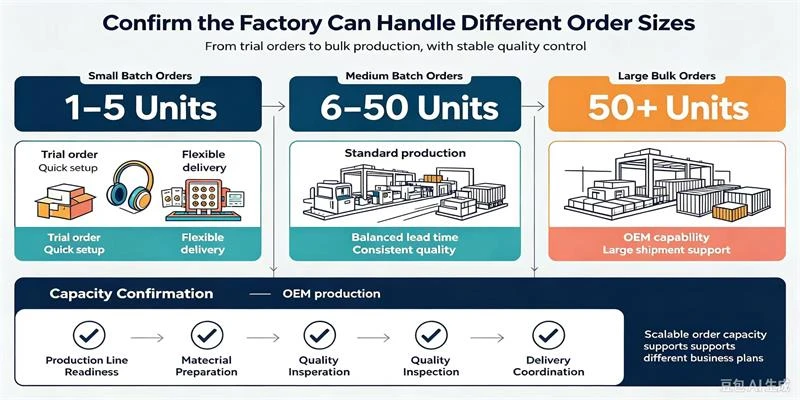
Confirm the Factory Can Handle Different Order Sizes
Wholesale orders can vary greatly in size. Some buyers may start with a small order to test the market before purchasing more machines. Others may order several models at once for regional distribution or large projects. A manufacturer's ability to handle different order sizes can affect how easily buyers manage their purchasing plans.
Before starting a partnership, ask about the factory's production capacity, standard lead times, production arrangements for different models, and ability to handle orders during busy seasons. For orders with several machine types, confirm that the factory can plan production in a reasonable way and make sure each model follows its approved specifications. Buyers should look beyond the factory size shown in company materials and learn how the actual production and order management processes work.
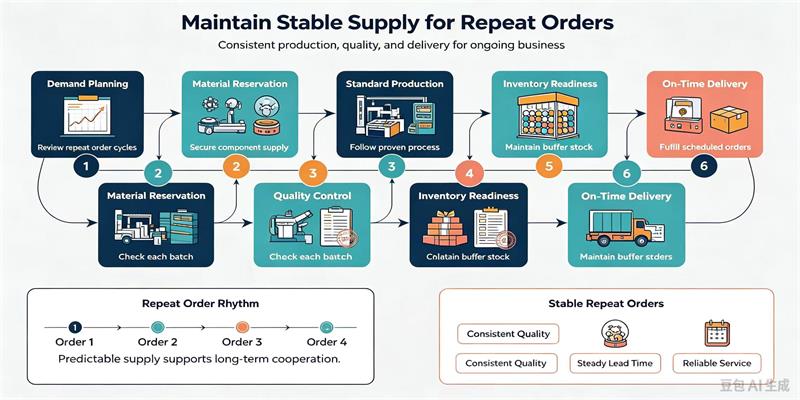
Maintain Stable Supply for Repeat Orders
For wholesalers, the first purchase is only the beginning of a supply relationship. If a prize machine sells well, buyers may need to reorder it regularly. If the manufacturer cannot keep supplying the same model or often changes key components and configurations between batches, inventory and after-sales management can become more difficult.
Buyers should confirm whether the manufacturer keeps product specifications, component lists, software versions, and sample approval records. They should also ask whether the factory will provide advance notice of planned product updates or changes. For models that will be ordered regularly, it is useful to discuss key component supply and future production plans. A stable supply of repeat orders helps wholesalers keep products available and reduces differences between production batches.
Evaluate After-Sales Support and Spare Parts Availability
Make Sure Common Spare Parts Are Easy to Obtain
During long-term operation, prize machines may need replacement motors, sensors, control boards, power supplies, lighting modules, or other components. If the manufacturer cannot provide common spare parts on time, machines may remain out of service while operators wait for replacements.
When reviewing a product line, buyers should ask whether the manufacturer can provide a list of common spare parts, spare parts prices, and ordering instructions. For parts that are shared or compatible across different models, check whether they can be used across several machines to reduce inventory needs. If certain models use special components, find out how long it takes to supply them and how they can be replaced. Spare parts availability is an important factor when deciding whether a product line is suitable for long-term wholesale sales.
Check the Manufacturer's Technical and Warranty Support
After selling machines to different customers, wholesalers may need to handle questions about installation, operation, repairs, and warranty claims. If the manufacturer only handles product shipments but cannot provide technical support, buyers may have to take on more after-sales work themselves. Before purchasing, learn about the manufacturer's warranty policy, technical support options, problem reporting process, and available repair documents.
Check the warranty coverage and period, the steps for handling faults, and how to request spare parts or technical help. For customized products, also ask whether the manufacturer can provide matching wiring diagrams, component lists, and operating instructions. Clear after-sales support helps buyers handle customer issues and control long-term service costs.
Choose a Product Line That Can Adapt to Market Changes
Follow Changes in Customer Preferences and Market Demand
Wholesale market demand can change with venue types, customer preferences, and business models. Some customers may prefer compact machines, while others may need more interactive features or different game experiences. If a manufacturer keeps offering the same fixed designs for a long time, it may become harder for buyers to meet changing customer needs.
Buyers should find out whether the manufacturer collects customer feedback, reviews product performance, and updates designs based on market demand. For wholesalers, working with a manufacturer that continues to improve its products can help keep the product catalog useful and up to date. However, product updates should not focus only on adding new features. They should also consider actual use, production stability, and future maintenance needs.
Focus on Practical Product Improvements
Product updates can help manufacturers stay competitive, but not every new feature is worth adding. Some improvements may make machines easier to maintain, reduce common faults, or simplify operation. Other changes may add more hardware complexity without providing clear value to the market.
When reviewing new products, buyers should focus on whether the improvements solve real problems. For example, are the machines easier to repair? Are key components more reliable? Is the operating process clearer? Are spare parts easier to replace? For existing models that are already selling well, also confirm whether upgrades will affect compatibility with older spare parts or future repeat orders. Practical improvements help wholesalers keep their products competitive without adding unnecessary work to purchasing and after-sales management.
Conclusion
A competitive prize machine product line is not simply a collection of many different models. It should offer the right product range, clear market positioning, reasonable wholesale pricing, consistent quality, and flexible customization options. At the same time, the manufacturer needs to provide stable production, reliable repeat orders, available spare parts, and practical after-sales support.
For B2B buyers, the best product line is one that can serve different customer groups while remaining easy to purchase, sell, maintain, and support. Before choosing a prize machine manufacturer, look beyond the product catalog and evaluate its production capabilities, quality control, customization services, and long-term supply plans.
A well-planned product line helps wholesalers serve more market needs, manage purchasing risks, and build a more stable business with their customers.